

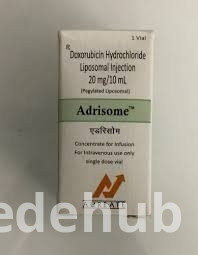
About
Adrisome is an antineoplastic agent, a type of chemotherapy drug used in the treatment of various cancers. It works by interfering with the growth and division of rapidly multiplying cells, a characteristic feature of cancer cells. The specific mechanism often involves disrupting DNA synthesis, damaging DNA structure, or inhibiting key enzymes necessary for cell replication. While highly effective against malignant cells, it can also affect healthy rapidly dividing cells, leading to characteristic side effects. This medication is typically administered as part of a comprehensive cancer treatment plan, often in combination with other therapies, to achieve tumor regression, prevent metastasis, and improve patient outcomes.
Uses
- Treatment of various solid tumors
- Management of certain hematological malignancies
- Used as adjuvant therapy after surgery
- Palliative care to control cancer symptoms
Directions For Use
Adrisome is administered intravenously by a qualified healthcare professional in a clinical setting. The dosage and schedule are determined by your oncologist based on your specific cancer type, stage, and body surface area.
Benefits
- Destroys or inhibits the growth of cancer cells
- Reduces tumor size and burden
- Prevents the spread of cancer (metastasis)
- Prolongs survival in many cancer types
- Alleviates cancer-related symptoms
- Can lead to complete or partial remission
Side Effects
- Nausea and vomiting
- Severe fatigue
- Hair loss (alopecia)
- Mouth sores (mucositis)
- Diarrhea or constipation
- Low blood counts (anemia, neutropenia, thrombocytopenia)
- Increased risk of infection
- Peripheral neuropathy
- Skin changes (rash, hyperpigmentation)
- Loss of appetite
- Cardiotoxicity (with some agents)
- Kidney or liver dysfunction
Safety Measures
- Alcohol - Strictly avoid alcohol consumption during treatment. Alcohol can exacerbate side effects like nausea, liver toxicity, and fatigue, and may interact with the medication.
- Pregnancy - Adrisome is contraindicated during pregnancy due to severe risks of fetal malformations, miscarriage, and toxicity. Effective contraception is essential for both male and female patients.
- Breastfeeding - Breastfeeding is contraindicated during treatment and for a period after, as the drug passes into breast milk and poses a severe risk of toxicity to the nursing infant.
- Liver - Use with extreme caution in patients with liver impairment. Many chemotherapy agents are hepatotoxic and metabolized by the liver. Dosage adjustments are often critical, and liver function must be closely monitored.
- Kidney - Use with extreme caution in individuals with kidney conditions. Many chemotherapy drugs are nephrotoxic or renally excreted. Dosage adjustments are frequently required, and kidney function must be rigorously monitored.
- Lung - Use with caution in patients with pre-existing lung conditions. Some chemotherapy agents can cause pulmonary toxicity, including interstitial lung disease or pneumonitis. Monitor for respiratory symptoms.
Disclaimer
MedEHub is committed to delivering reliable, expert-reviewd information to help consumers make informed health decisions. However, the content provided on this website is for informational purposes only and is not intended to replace professional medical advice, diagnosis or treatment.
Always consult your doctor for any medical concerns, and discuss your questions about health conditions or medications with a qualified healthcare professional. Do not ignore or delay seeking professional medical advice based on information found on Med E Hub.
Our goal is to complement, not replace, the essential doctor-patient relationship.
| Shipping Cost |
|
| Shop Location | Assam, India |







No comments found for this product. Be the first to comment!