

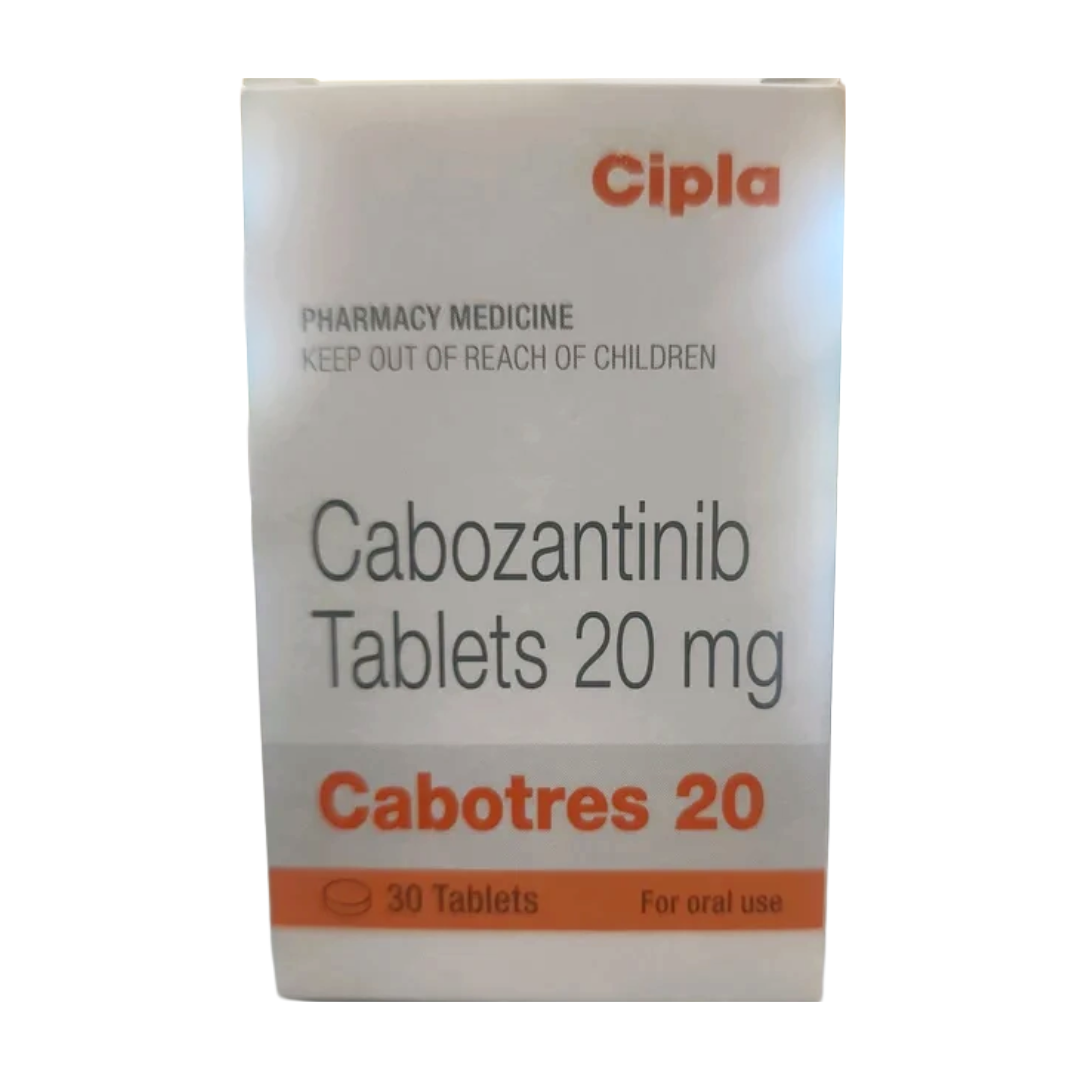
About
Cabozanib is a potent, multi-targeted receptor tyrosine kinase (RTK) inhibitor that plays a crucial role in the treatment of various advanced cancers. It works by inhibiting the activity of several key RTKs, including MET, VEGFR2, AXL, and RET, which are involved in tumor growth, angiogenesis (formation of new blood vessels that feed tumors), and metastasis (spread of cancer cells). By blocking these pathways, Cabozanib helps to slow or stop the proliferation of cancer cells and reduce tumor size.
This medication is clinically indicated for specific types of advanced malignancies, such as advanced renal cell carcinoma (RCC), hepatocellular carcinoma (HCC) in patients previously treated with sorafenib, and differentiated thyroid cancer (DTC) that has progressed after prior VEGFR-targeted therapy and is radioactive iodine-refractory. Its targeted action makes it a valuable therapeutic option for patients with limited treatment alternatives.
Uses
- Treatment of advanced renal cell carcinoma (RCC).
- Management of hepatocellular carcinoma (HCC) in specific settings.
- Therapy for differentiated thyroid cancer (DTC) that is refractory to radioactive iodine.
- Used in other solid tumors where its targeted action is beneficial.
Directions For Use
Take this medication orally once daily on an empty stomach, at least 1 hour before or 2 hours after a meal. Swallow the tablet whole; do not crush, chew, or split it.
Benefits
- Targets multiple critical pathways in cancer development.
- Demonstrates efficacy in various advanced solid tumors.
- Can significantly improve progression-free survival in treated patients.
- Offers a convenient oral administration route.
- May lead to tumor regression and control of disease progression.
- Provides a therapeutic option for cancers resistant to other treatments.
Side Effects
- Diarrhea
- Fatigue
- Nausea
- Vomiting
- Decreased appetite
- Hand-foot syndrome (palmar-plantar erythrodysesthesia)
- Hypertension (high blood pressure)
- Weight loss
- Abdominal pain
- Dysgeusia (taste disturbance)
- Stomatitis (mouth sores)
- Proteinuria (protein in urine)
Safety Measures
- Alcohol - Avoid or limit alcohol consumption as it may exacerbate gastrointestinal side effects or liver toxicity. Consult your doctor for personalized advice.
- Pregnancy - Cabozanib is contraindicated in pregnancy due to potential fetal harm. Women of childbearing potential must use effective contraception during treatment and for at least 4 months after the last dose.
- Breastfeeding - Breastfeeding is not recommended during treatment with Cabozanib and for at least 4 months after the last dose due to the potential for serious adverse reactions in the breastfed infant.
- Liver - Use with caution in patients with hepatic impairment. Dose adjustments may be necessary, and liver function should be monitored closely throughout treatment.
- Kidney - Use with caution in patients with renal impairment. Dose adjustments may be required based on the severity of kidney dysfunction, and renal function should be regularly assessed.
- Lung - Monitor for pulmonary adverse reactions, including pneumonitis, which can be severe. Report any new or worsening respiratory symptoms, such as cough or shortness of breath, immediately.
Disclaimer
MedEHub is committed to delivering reliable, expert-reviewd information to help consumers make informed health decisions. However, the content provided on this website is for informational purposes only and is not intended to replace professional medical advice, diagnosis or treatment.
Always consult your doctor for any medical concerns, and discuss your questions about health conditions or medications with a qualified healthcare professional. Do not ignore or delay seeking professional medical advice based on information found on Med E Hub.
Our goal is to complement, not replace, the essential doctor-patient relationship.
| Shipping Cost |
|
| Shop Location | Assam, India |










No comments found for this product. Be the first to comment!