

About
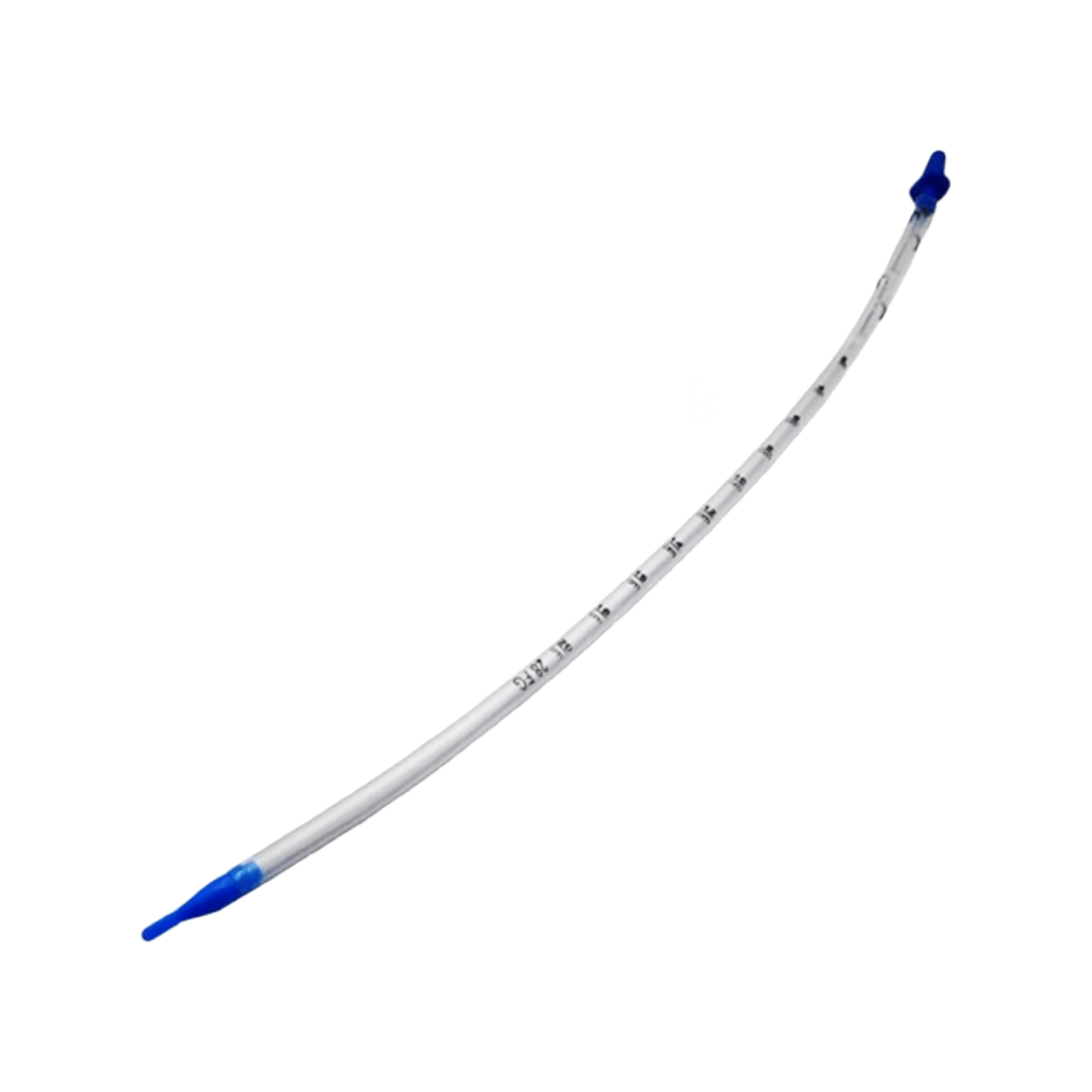
A chest drainage catheter, also widely recognized as a thoracic catheter or chest tube, is a critical, sterile, and flexible medical tube designed for precise insertion into the pleural space or mediastinum. Its primary therapeutic purpose is to effectively remove undesirable substances such as air (in cases of pneumothorax), various fluids including blood (hemothorax), pus (empyema), or chyle (chylothorax). This procedure, medically termed thoracostomy, is indispensable for a range of acute conditions, most notably for re-expanding a collapsed lung, draining significant pleural effusions, or managing the aftermath of severe chest trauma or complex thoracic surgeries. The catheter is meticulously connected to a specialized drainage system that actively maintains a negative pressure gradient, which is crucial for facilitating the continuous and efficient removal of these unwanted intrathoracic contents. Proper, aseptic placement and diligent management of the entire drainage system are absolutely essential to prevent potential complications, ensure effective drainage, and ultimately restore normal intrathoracic pressure dynamics and respiratory function.
Uses
- Treatment of pneumothorax (collapsed lung).
- Drainage of pleural effusions (fluid buildup).
- Management of hemothorax (blood in pleural space).
- Post-operative drainage after thoracic surgery.
Directions For Use
To be inserted by a trained medical professional using sterile technique. Connect to an appropriate drainage system and monitor output.
Benefits
- Effectively removes air and fluid from the chest.
- Re-expands collapsed lungs.
- Relieves respiratory distress.
- Prevents complications from fluid/air accumulation.
- Facilitates post-operative recovery.
- Allows for continuous monitoring of drainage.
Side Effects
- Pain at insertion site.
- Infection (pleural empyema, cellulitis).
- Bleeding or hematoma formation.
- Pneumothorax (iatrogenic).
- Damage to surrounding organs (lung, diaphragm).
- Subcutaneous emphysema.
- Nerve injury.
- Catheter dislodgement or kinking.
- Allergic reaction to materials.
- Persistent air leak.
- Re-expansion pulmonary edema.
- Vasovagal response during insertion.
Safety Measures
- Alcohol - Not applicable as this is a medical device. Alcohol consumption should be avoided in patients requiring chest drainage due to underlying medical conditions or pain management.
- Pregnancy - Use with caution and only when medically necessary. The procedure should be performed by an experienced clinician, considering maternal and fetal well-being.
- Breastfeeding - Not applicable as this is an acute medical intervention. Any medications administered concurrently should be considered.
- Liver - Patients with liver conditions may have coagulopathies, increasing the risk of bleeding during insertion. Close monitoring is essential.
- Kidney - No direct contraindication, but kidney function may impact fluid balance and medication metabolism if concurrent treatments are given.
- Lung - Directly related to lung conditions. Careful insertion is crucial to avoid further lung injury. Monitor for re-expansion pulmonary edema.
Disclaimer
MedEHub is committed to delivering reliable, expert-reviewd information to help consumers make informed health decisions. However, the content provided on this website is for informational purposes only and is not intended to replace professional medical advice, diagnosis or treatment.
Always consult your doctor for any medical concerns, and discuss your questions about health conditions or medications with a qualified healthcare professional. Do not ignore or delay seeking professional medical advice based on information found on Med E Hub.
Our goal is to complement, not replace, the essential doctor-patient relationship.
| Shipping Cost |
|
| Shop Location | Assam, India |










No comments found for this product. Be the first to comment!