
About
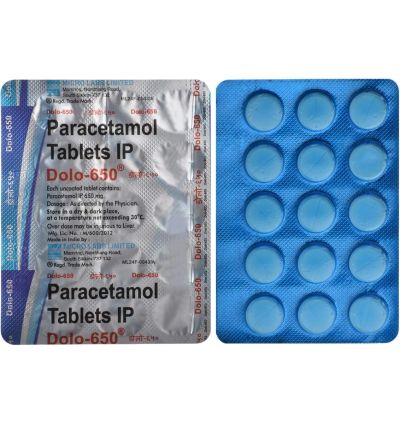
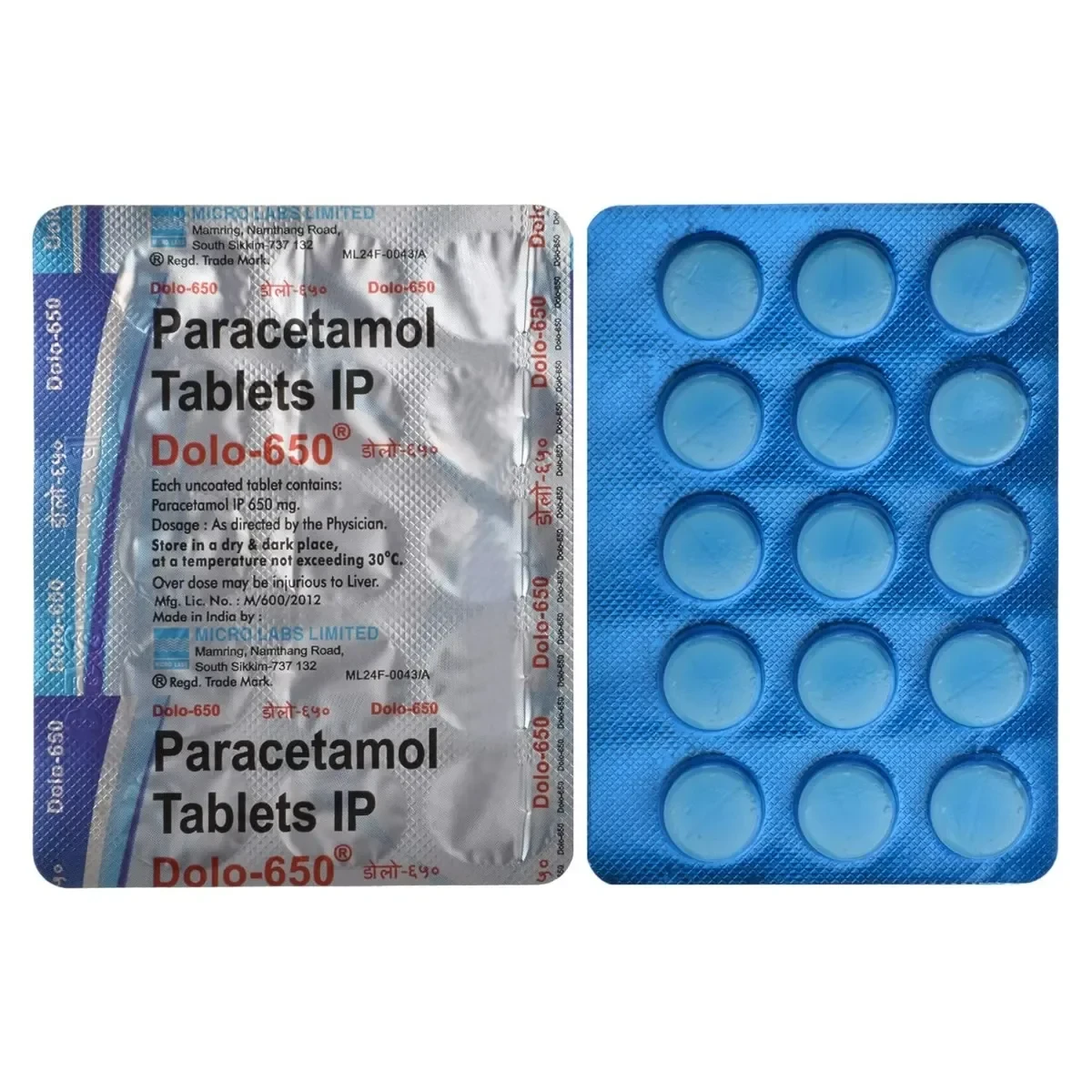
Paracetamol, also known as Acetaminophen, is a widely used analgesic (pain reliever) and antipyretic (fever reducer). Its primary mechanism of action is believed to involve the inhibition of prostaglandin synthesis, mainly in the central nervous system, which helps to elevate the pain threshold and reduce fever. Unlike NSAIDs, paracetamol has minimal anti-inflammatory effects and does not typically cause gastrointestinal irritation or affect platelet aggregation at therapeutic doses.
This medication is commonly used for the symptomatic relief of mild to moderate pain, such as headaches, muscle aches, menstrual pain, and toothaches, as well as for reducing fever associated with various illnesses like the common cold or flu. It is generally well-tolerated when used at recommended doses, making it a suitable option for many individuals, including those who cannot take NSAIDs.
Uses
- Relief of mild to moderate pain.
- Reduction of fever.
- Management of headaches and migraines.
- Alleviation of muscle aches and body pain.
Directions For Use
Take with water, with or without food, as directed by your doctor. Do not exceed the recommended dose or frequency.
Benefits
- Effective pain relief.
- Reduces fever quickly.
- Generally well-tolerated.
- Low risk of stomach irritation.
- Suitable for various types of pain.
- Available without prescription.
Side Effects
- Nausea
- Vomiting
- Stomach pain
- Allergic skin reactions
- Rash
- Itching
- Fatigue
- Dizziness
- Headache
- Insomnia
- Constipation
- Diarrhea
Safety Measures
- Alcohol - Avoid or limit alcohol consumption as it significantly increases the risk of liver damage when taken with paracetamol.
- Pregnancy - Generally considered safe for use during pregnancy at recommended doses, but always consult a doctor before use.
- Breastfeeding - Considered compatible with breastfeeding at recommended doses. Small amounts pass into breast milk but are not expected to harm the infant.
- Liver - Use with extreme caution in patients with pre-existing liver disease or impairment. High doses or prolonged use can cause severe liver damage.
- Kidney - Use with caution in patients with severe kidney impairment. Dose adjustment may be necessary.
- Lung - Generally safe for use in patients with lung conditions, including asthma, as it does not typically trigger bronchospasm like some NSAIDs.
Disclaimer
MedEHub is committed to delivering reliable, expert-reviewd information to help consumers make informed health decisions. However, the content provided on this website is for informational purposes only and is not intended to replace professional medical advice, diagnosis or treatment.
Always consult your doctor for any medical concerns, and discuss your questions about health conditions or medications with a qualified healthcare professional. Do not ignore or delay seeking professional medical advice based on information found on Med E Hub.
Our goal is to complement, not replace, the essential doctor-patient relationship.
| Shipping Cost |
|
| Shop Location | Assam, India |




No comments found for this product. Be the first to comment!