
About
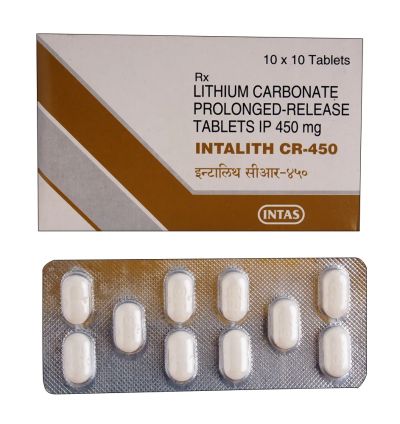
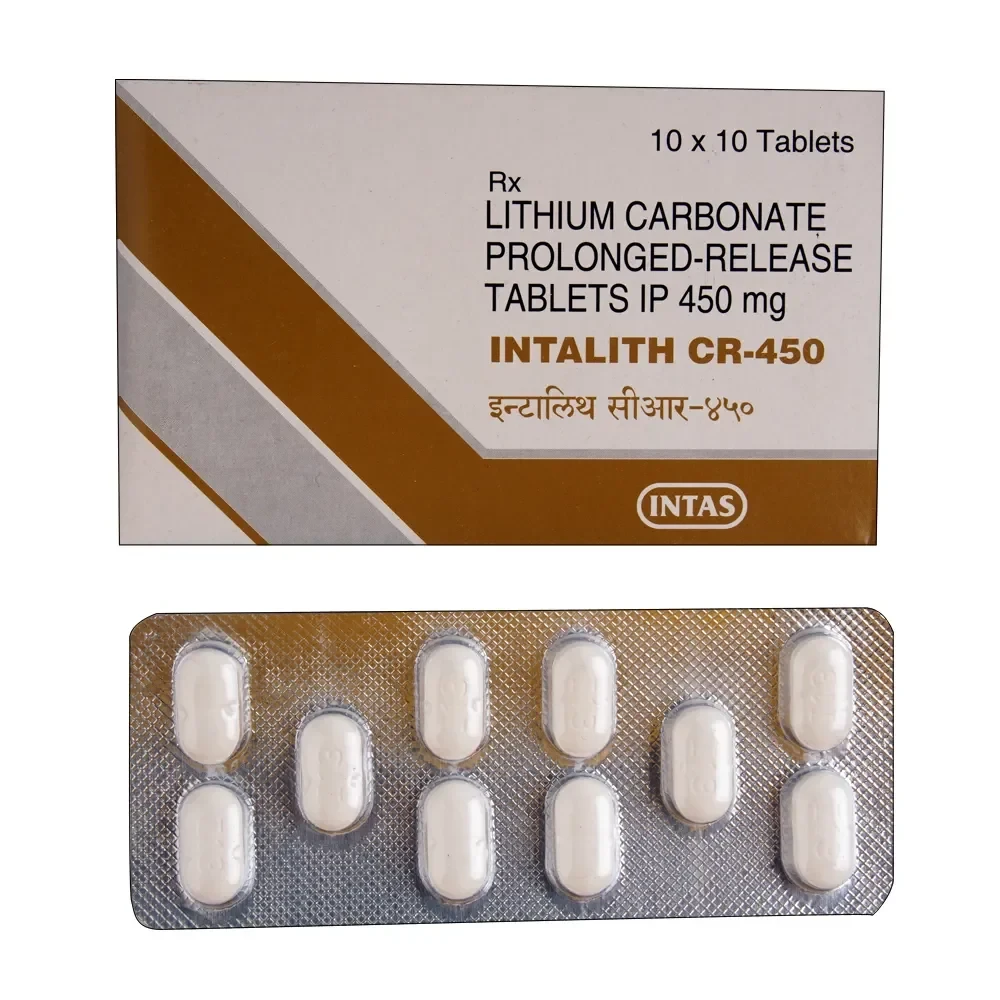
Lithium is a mood-stabilizing agent primarily used in the treatment of bipolar disorder, particularly for the prevention and treatment of manic and hypomanic episodes. Its precise mechanism of action is complex and not fully understood, but it is believed to involve multiple neurotransmitter systems and intracellular signaling pathways. Lithium modulates the activity of various neurotransmitters, including serotonin, norepinephrine, and dopamine, and also affects second messenger systems such as the inositol phosphate pathway and glycogen synthase kinase-3 (GSK-3) inhibition.
Lithium is highly effective in reducing the frequency and severity of mood swings in bipolar disorder and is also used as an augmentation strategy in treatment-resistant depression. Due to its narrow therapeutic index, careful monitoring of serum lithium levels is crucial to ensure efficacy and prevent toxicity. Patients require regular blood tests to maintain levels within the therapeutic range. Factors such as dehydration, changes in sodium intake, and concomitant medications can significantly impact lithium levels, necessitating close clinical supervision.
Uses
- Treatment of acute manic and mixed episodes in bipolar disorder.
- Maintenance treatment to prevent recurrence of manic and depressive episodes.
- Augmentation therapy for treatment-resistant depression.
- Management of schizoaffective disorder (adjunctive).
Directions For Use
Take exactly as prescribed by your doctor, usually with food. Do not crush, chew, or break the capsule.
Benefits
- Highly effective in stabilizing mood in bipolar disorder.
- Reduces the frequency and severity of manic episodes.
- Can prevent depressive episodes in bipolar disorder.
- May reduce suicide risk in bipolar patients.
- Long history of clinical efficacy.
- Available in various formulations for dosing flexibility.
Side Effects
- Tremor (fine hand tremor)
- Polyuria (increased urination)
- Polydipsia (increased thirst)
- Nausea
- Diarrhea
- Weight gain
- Hypothyroidism
- Cardiac arrhythmias
- Renal impairment (long-term)
- Drowsiness
- Muscle weakness
- Ataxia (impaired coordination)
Safety Measures
- Alcohol - Alcohol can cause dehydration and affect kidney function, potentially leading to increased lithium levels and toxicity. Avoid or limit alcohol.
- Pregnancy - Lithium is associated with an increased risk of congenital cardiac anomalies (Ebstein's anomaly). Use only if benefits outweigh risks, with careful monitoring.
- Breastfeeding - Lithium is excreted into breast milk and can cause toxicity in infants. Breastfeeding is generally not recommended.
- Liver - Lithium is not significantly metabolized by the liver, so hepatic impairment typically does not require dose adjustment.
- Kidney - Lithium is primarily excreted by the kidneys. Renal impairment significantly increases the risk of toxicity. Dose adjustments and close monitoring are essential.
- Lung - No specific contraindications or major concerns related to lung conditions are typically noted for lithium.
Disclaimer
MedEHub is committed to delivering reliable, expert-reviewd information to help consumers make informed health decisions. However, the content provided on this website is for informational purposes only and is not intended to replace professional medical advice, diagnosis or treatment.
Always consult your doctor for any medical concerns, and discuss your questions about health conditions or medications with a qualified healthcare professional. Do not ignore or delay seeking professional medical advice based on information found on Med E Hub.
Our goal is to complement, not replace, the essential doctor-patient relationship.
| Shipping Cost |
|
| Shop Location | Assam, India |




No comments found for this product. Be the first to comment!