

About
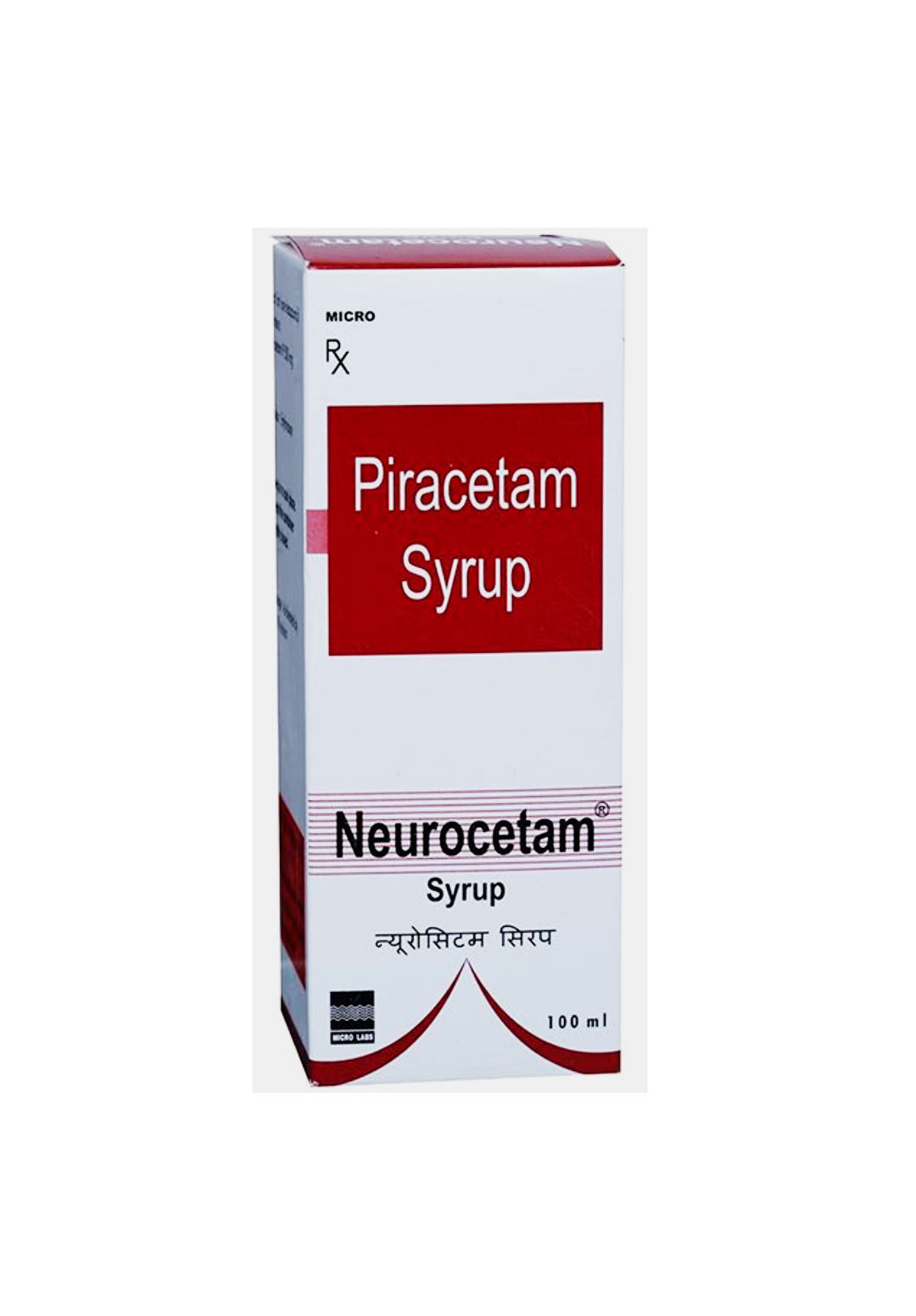
Neurocetam Syrup, with piracetam as its active ingredient, is a well-known nootropic agent frequently utilized to enhance cognitive function, particularly in contexts of cognitive decline or impairment. Its therapeutic effects are believed to stem from a complex mechanism of action that includes improving the fluidity of neuronal membranes, which is essential for efficient cellular communication. Piracetam is also thought to modulate and enhance neurotransmission, specifically within the cholinergic and glutamatergic systems, both of which are critical for learning and memory processes. Additionally, it contributes to increased cerebral blood flow and oxygen utilization, ensuring that brain cells receive adequate resources for optimal function. By facilitating these physiological processes, piracetam aims to improve various cognitive domains such as learning capacity, memory recall, and sustained attention. It may also offer neuroprotective benefits, safeguarding brain cells against various forms of injury or metabolic stress, thereby supporting overall brain health and resilience.
Uses
- Management of cognitive impairment in conditions like dementia.
- Improvement of memory and learning difficulties.
- Support for post-stroke cognitive recovery.
- Adjunctive therapy for cortical myoclonus.
Directions For Use
Administer orally as directed by a physician, usually divided into two or three doses daily. Measure the dose accurately using the provided measuring device.
Benefits
- Enhances memory and learning processes.
- Improves focus and concentration.
- Supports overall cognitive function.
- May aid in recovery from brain injury or stroke.
- Exhibits neuroprotective properties.
- Well-tolerated in many patient populations.
Side Effects
- Nervousness
- Insomnia
- Weight gain
- Drowsiness
- Headache
- Gastrointestinal upset
- Agitation
- Anxiety
- Tremor
- Dizziness
- Skin rash
- Fatigue
Safety Measures
- Alcohol - While no direct severe interaction is typically reported, alcohol can impair cognitive function, potentially counteracting the benefits of piracetam. It is generally advisable to limit alcohol intake.
- Pregnancy - Piracetam is generally not recommended during pregnancy due to insufficient data on human fetal safety. Use only if the potential benefit justifies the potential risk to the fetus, and under strict medical supervision.
- Breastfeeding - Piracetam is excreted into breast milk. Due to potential effects on the infant, breastfeeding is generally not recommended while taking this medication. Consult a physician.
- Liver - Piracetam is primarily excreted unchanged by the kidneys, with minimal hepatic metabolism. Dose adjustments are generally not required for liver impairment.
- Kidney - Piracetam is predominantly eliminated via renal excretion. Dosage adjustments are necessary in patients with impaired renal function to prevent accumulation and potential adverse effects.
- Lung - No specific direct adverse effects on lung function are commonly associated with piracetam.
Disclaimer
MedEHub is committed to delivering reliable, expert-reviewd information to help consumers make informed health decisions. However, the content provided on this website is for informational purposes only and is not intended to replace professional medical advice, diagnosis or treatment.
Always consult your doctor for any medical concerns, and discuss your questions about health conditions or medications with a qualified healthcare professional. Do not ignore or delay seeking professional medical advice based on information found on Med E Hub.
Our goal is to complement, not replace, the essential doctor-patient relationship.
| Shipping Cost |
|
| Shop Location | Assam, India |










No comments found for this product. Be the first to comment!