

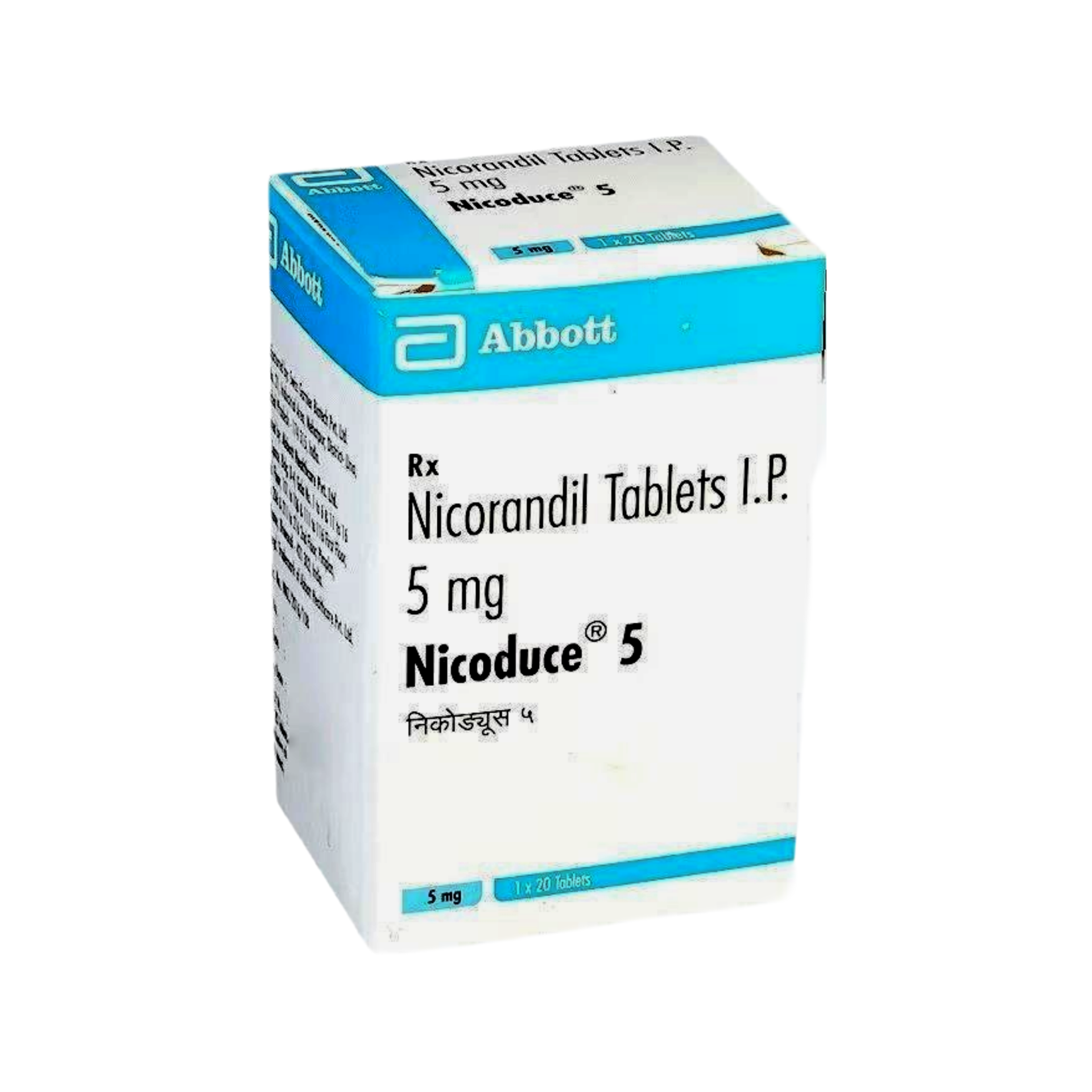
AboutNicorandil is a unique anti-anginal agent that exerts its therapeutic effects through a dual mechanism of action, combining the properties of a potassium channel activator with a nitrate-like effect. As a potassium channel activator, it opens ATP-sensitive potassium channels in vascular smooth muscle cells. This leads to hyperpolarization of the cell membrane, which in turn causes relaxation and vasodilation of both arterial and venous vessels. Simultaneously, nicorandil possesses a nitrate-like action, involving the release of nitric oxide (NO). This NO activates guanylate cyclase, increasing cyclic GMP levels and further contributing to vasodilation. The combined effect of these mechanisms is a significant reduction in both cardiac preload and afterload, which effectively decreases myocardial oxygen demand. Furthermore, it improves coronary blood flow, particularly to ischemic regions, by dilating epicardial and collateral coronary arteries. Nicorandil is thus a valuable option for the long-term management of chronic stable angina pectoris, especially in patients who may not tolerate or respond adequately to other anti-anginal therapies.UsesTreatment of chronic stable angina pectoris.Prevention of angina attacks.Management of patients intolerant to beta-blockers or calcium channel blockers.Improvement of exercise capacity in angina patients.Directions For UseTake orally with water, usually twice daily or as a single daily dose for OD formulations. Do not crush or chew.BenefitsReduces frequency and severity of angina.Improves myocardial oxygen supply and demand balance.Enhances coronary blood flow.Provides symptomatic relief from chest pain.Suitable for long-term angina management.Offers a dual mechanism of action.Side EffectsHeadache (common, especially initially)DizzinessFlushingNauseaVomitingWeaknessPalpitationsHypotensionFatigueGastric ulcers (rare but serious)Aphthous ulcersMuscle painSafety MeasuresAlcohol - Alcohol can potentiate the hypotensive effects of nicorandil, increasing the risk of dizziness and fainting. It is advisable to limit or avoid alcohol.Pregnancy - Nicorandil should be used during pregnancy only if the potential benefit justifies the potential risk to the fetus, as human data is insufficient.Breastfeeding - It is not known whether nicorandil is excreted in human milk; therefore, caution should be exercised, and a physician consulted.Liver - Use with caution in patients with severe liver impairment, as altered metabolism could lead to increased drug levels and adverse effects.Kidney - Generally safe in patients with kidney conditions, but caution is advised in severe renal impairment due to potential accumulation of metabolites.Lung - Generally safe for use in patients with lung conditions; however, monitor for any exacerbation of respiratory symptoms, especially with severe hypotension.DisclaimerMedEHub is committed to delivering reliable, expert-reviewd information to help consumers make
informed health decisions. However, the content provided on this website is for informational purposes only
and is not intended to replace professional medical advice, diagnosis or treatment.Always consult your doctor for any medical concerns, and discuss your questions about health
conditions or medications with a qualified healthcare professional. Do not ignore or delay seeking professional
medical advice based on information found on Med E Hub.Our goal is to complement, not replace, the essential doctor-patient relationship.
| Shipping Cost |
|
| Shop Location | Assam, India |




No comments found for this product. Be the first to comment!