

About
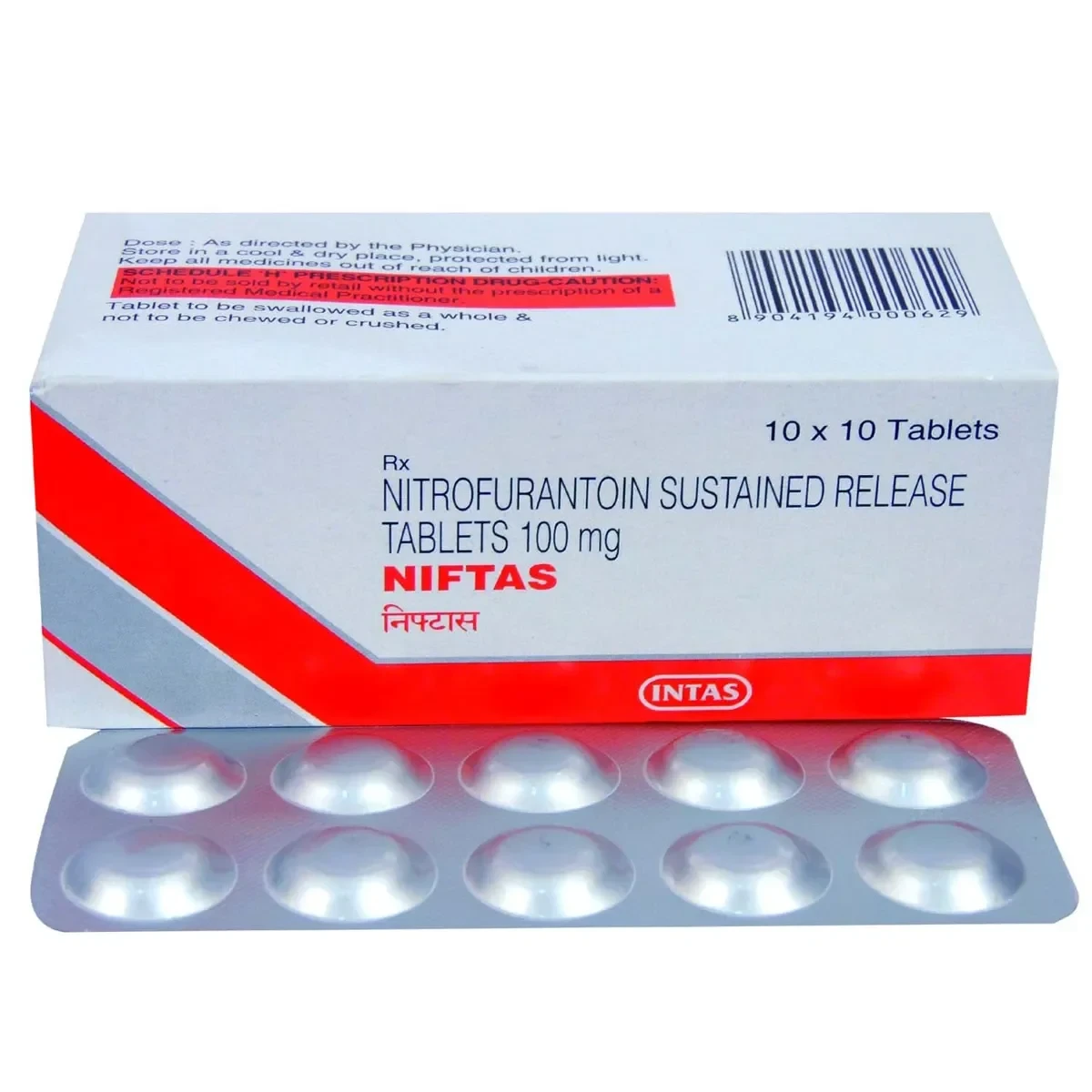
Nitrofurantoin is an antibacterial agent specifically indicated for the treatment and prophylaxis of uncomplicated urinary tract infections (UTIs) caused by susceptible strains of Escherichia coli, Enterococci, Staphylococcus aureus, and certain Klebsiella and Enterobacter species. It exerts its bactericidal effect by interfering with multiple bacterial enzyme systems within the bacterial cell, including those involved in carbohydrate metabolism and cell wall synthesis. This unique, multi-target mechanism helps to minimize the development of bacterial resistance, making it a valuable option for recurrent infections. The drug is rapidly absorbed from the gastrointestinal tract and primarily excreted in the urine, where it achieves therapeutic concentrations sufficient to eradicate susceptible pathogens. Its action is largely confined to the urinary tract, reducing systemic side effects while effectively combating localized infections.
Uses
- Treatment of acute uncomplicated urinary tract infections.
- Prophylaxis of recurrent urinary tract infections.
- Management of cystitis.
- Prevention of UTIs following surgical procedures.
Directions For Use
Take this medication orally with food to enhance absorption and reduce gastrointestinal upset. Complete the full course of treatment as prescribed by your doctor, even if symptoms improve.
Benefits
- Highly effective against common UTI pathogens.
- Low rates of bacterial resistance.
- Concentrates well in the urinary tract.
- Available in oral formulations.
- Suitable for long-term prophylaxis in some cases.
- Generally well-tolerated when taken with food.
Side Effects
- Nausea
- Vomiting
- Diarrhea
- Headache
- Dizziness
- Dark yellow or brown urine
- Peripheral neuropathy (rare, serious)
- Pulmonary reactions (acute or chronic)
- Hepatotoxicity (liver damage)
- Hemolytic anemia (especially in G6PD deficiency)
- Clostridium difficile-associated diarrhea
- Allergic skin reactions
Safety Measures
- Alcohol - Limit or avoid alcohol consumption as it may exacerbate gastrointestinal side effects such as nausea and stomach upset.
- Pregnancy - Generally avoided in the third trimester (weeks 38-42) due to the risk of hemolytic anemia in the neonate. Consult a doctor for use in earlier trimesters.
- Breastfeeding - Considered generally safe for use during breastfeeding, but monitor the infant for signs of gastrointestinal upset or jaundice, especially if the infant has G6PD deficiency.
- Liver - Use with caution in patients with a history of liver disease. Monitor liver function tests regularly, as rare cases of hepatotoxicity have been reported.
- Kidney - Contraindicated in patients with severe renal impairment (creatinine clearance < 60 mL/min) due to reduced efficacy and increased risk of systemic toxicity, including peripheral neuropathy.
- Lung - Rare but serious pulmonary reactions (acute, subacute, or chronic) can occur, including pneumonitis and pulmonary fibrosis. Discontinue immediately if lung symptoms develop.
Disclaimer
MedEHub is committed to delivering reliable, expert-reviewd information to help consumers make informed health decisions. However, the content provided on this website is for informational purposes only and is not intended to replace professional medical advice, diagnosis or treatment.
Always consult your doctor for any medical concerns, and discuss your questions about health conditions or medications with a qualified healthcare professional. Do not ignore or delay seeking professional medical advice based on information found on Med E Hub.
Our goal is to complement, not replace, the essential doctor-patient relationship.
| Shipping Cost |
|
| Shop Location | Assam, India |








No comments found for this product. Be the first to comment!