
About
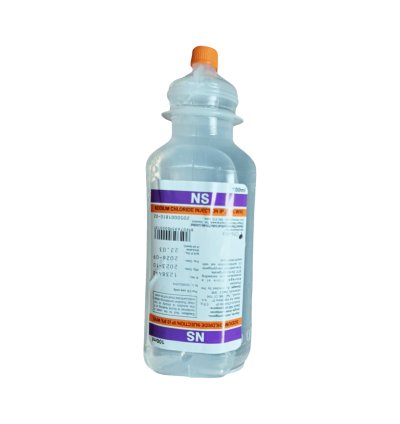
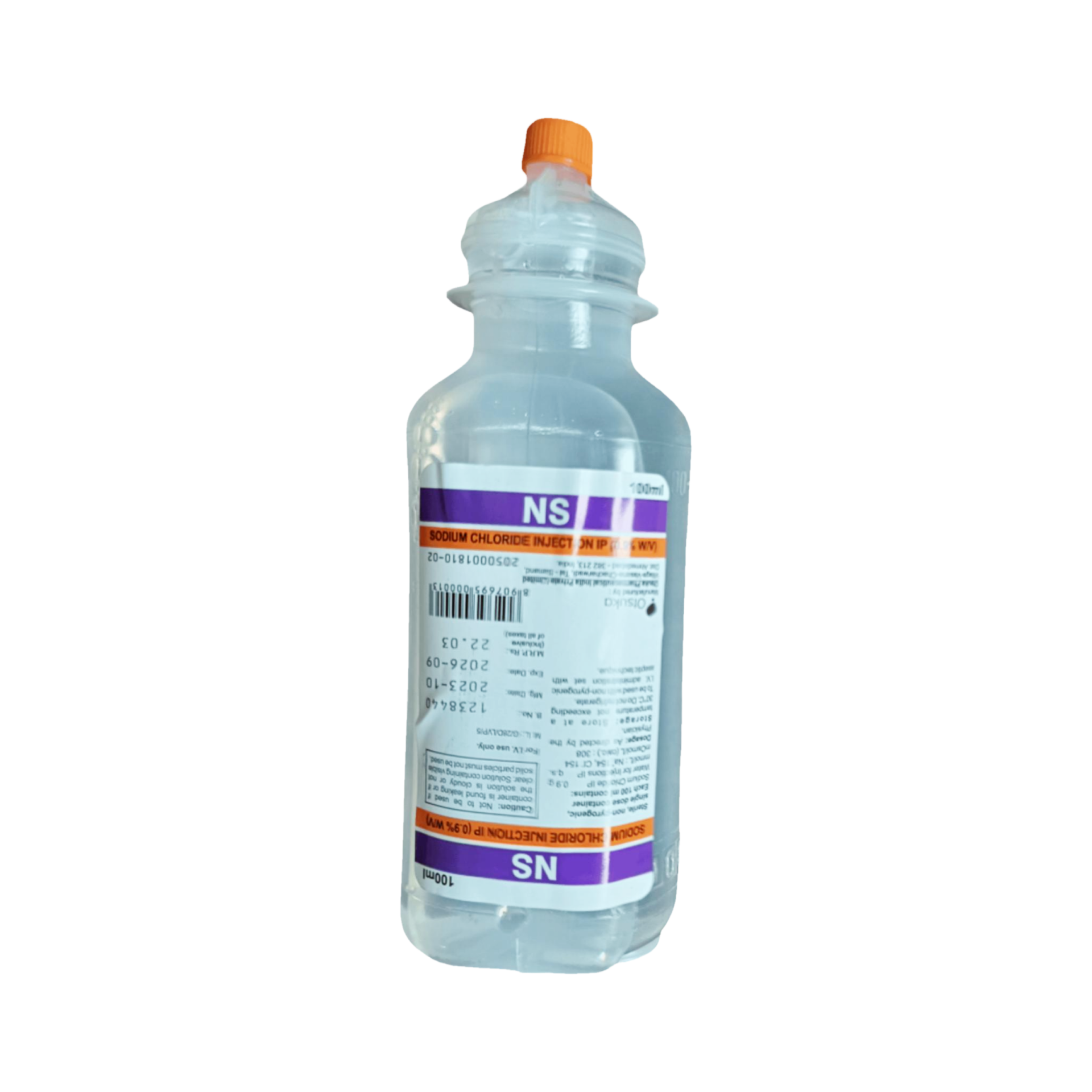
Normal Saline (0.9% Sodium Chloride Injection) in a 100ml volume is an isotonic crystalloid solution frequently employed in clinical settings, primarily as a diluent for intravenous medications and for flushing intravenous lines. Containing 0.9% sodium chloride, its osmolality is similar to that of human plasma, ensuring it does not cause significant fluid shifts between cellular compartments. While its smaller volume limits its use for major fluid resuscitation, it is invaluable for preparing and administering a wide range of injectable drugs, ensuring their proper concentration and compatibility. Additionally, it is routinely used to maintain the patency of intravenous catheters, preventing blockages and ensuring readiness for subsequent medication administration or fluid infusions. This smaller volume format is crucial for precise drug delivery and efficient line management in both inpatient and outpatient care.
Uses
- Medication dilution
- Intravenous flush
- Minor fluid replacement
- Maintaining IV line patency
Directions For Use
Administer intravenously as directed by a healthcare professional, often as a bolus or slow infusion.
Benefits
- Safe diluent for drugs
- Maintains IV patency
- Restores minor fluid deficits
- Compatible with many medications
- Readily available
- Essential for various medical procedures
Side Effects
- Fluid overload (less likely with 100ml)
- Hypernatremia (rare)
- Injection site reactions
- Fever
- Infection
- Allergic reactions
- Electrolyte imbalance
- Hypertension
- Pulmonary edema (rare with this volume)
- Cardiac arrhythmias (rare)
- Local pain or swelling
- Thrombophlebitis
Safety Measures
- Alcohol - No direct interaction. However, alcohol consumption can exacerbate dehydration or electrolyte imbalances, which NS is used to treat.
- Pregnancy - Generally considered safe and often necessary for fluid management during pregnancy. Administer as prescribed by a physician.
- Breastfeeding - Generally considered safe. Sodium chloride is a natural component of breast milk and intravenous administration is unlikely to pose a risk.
- Liver - Use with caution in severe liver disease, especially if ascites or fluid retention is present, to avoid fluid overload.
- Kidney - Use with caution in patients with severe renal impairment or heart failure due to risk of fluid and/or sodium overload. Monitor electrolyte levels closely.
- Lung - Use with caution in patients with pulmonary edema or conditions predisposing to fluid overload, as excessive administration can worsen respiratory status.
Disclaimer
MedEHub is committed to delivering reliable, expert-reviewd information to help consumers make informed health decisions. However, the content provided on this website is for informational purposes only and is not intended to replace professional medical advice, diagnosis or treatment.
Always consult your doctor for any medical concerns, and discuss your questions about health conditions or medications with a qualified healthcare professional. Do not ignore or delay seeking professional medical advice based on information found on Med E Hub.
Our goal is to complement, not replace, the essential doctor-patient relationship.
| Shipping Cost |
|
| Shop Location | Assam, India |







No comments found for this product. Be the first to comment!