

About
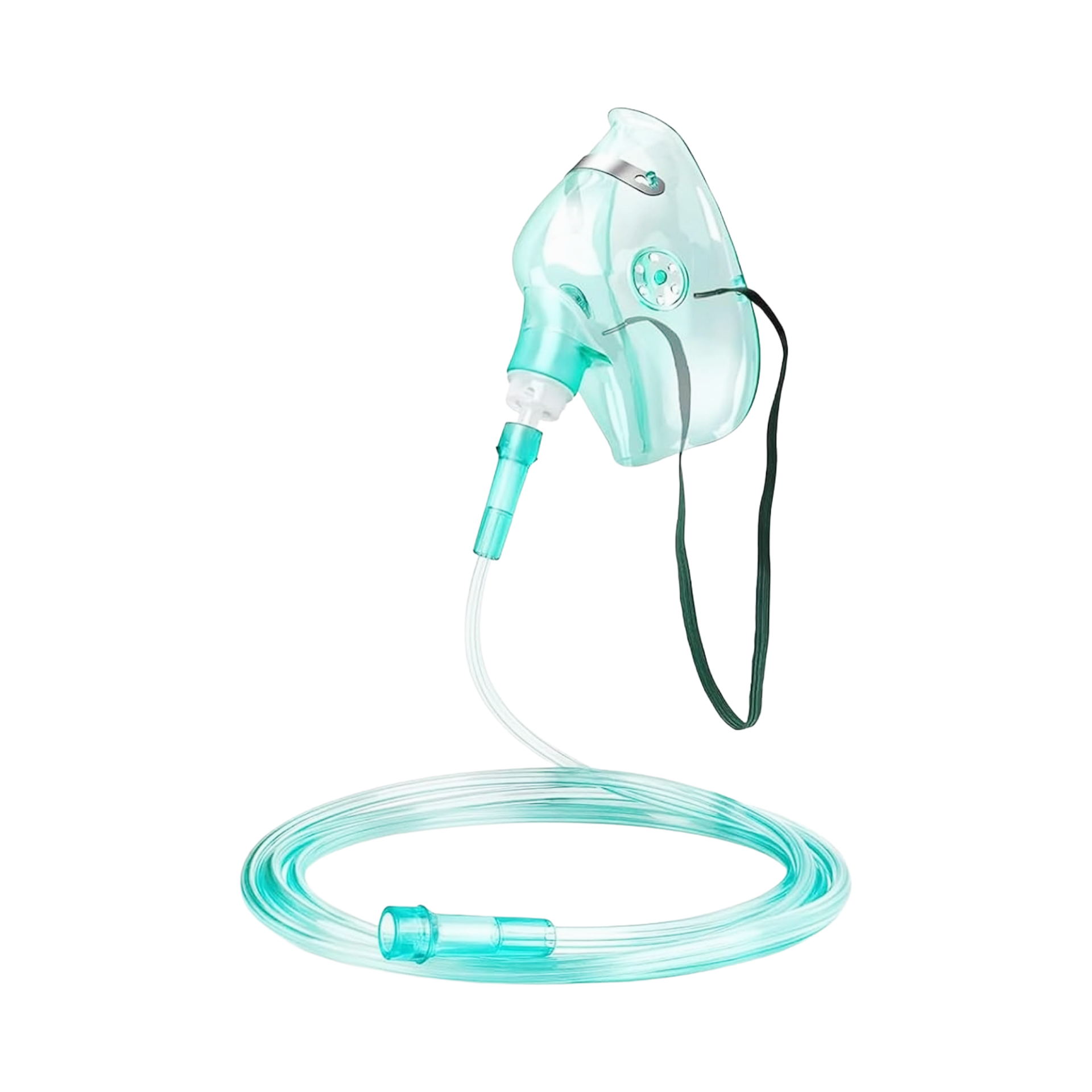
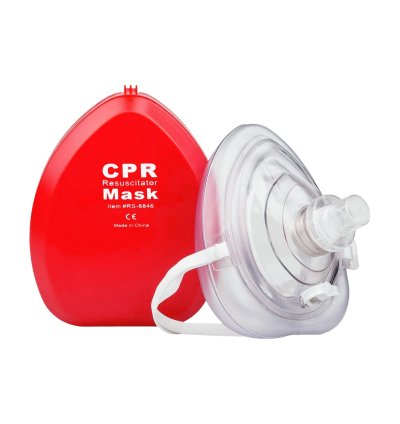
An oxygen mask for children is a specialized medical device designed to deliver supplemental oxygen therapy to pediatric patients experiencing respiratory distress or hypoxemia. Crafted with child-friendly materials and contours, these masks ensure a comfortable and secure fit over a child's nose and mouth, minimizing discomfort and anxiety during treatment. The mask connects to an external oxygen source, such as an oxygen concentrator or cylinder, via tubing, allowing for the precise delivery of oxygen at prescribed flow rates. Its transparent design enables healthcare providers to monitor the child's facial expressions and signs of distress without removing the mask. By providing a concentrated supply of oxygen, the mask helps to improve blood oxygen saturation, alleviate shortness of breath, and support respiratory function in conditions ranging from asthma exacerbations to post-operative recovery. It is a crucial tool in pediatric emergency and critical care settings.
Uses
- Hypoxemia in children
- Pediatric respiratory distress
- Asthma exacerbation
- Post-operative oxygen support
Directions For Use
Place mask over child's nose and mouth, secure elastic strap. Connect to oxygen source at prescribed flow rate.
Benefits
- Efficient oxygen delivery
- Comfortable fit for children
- Clear visibility of face
- Non-invasive therapy
- Easy to use
- Disposable for hygiene
Side Effects
- Skin irritation or pressure sores
- Dry mucous membranes
- Claustrophobia
- Discomfort
- Aspiration risk if vomiting
- Oxygen toxicity (rare with proper use)
- Infection risk if not clean
- Impaired communication
- Nasal congestion
- Eye irritation
- Headache
- Dizziness
Safety Measures
- Alcohol - Not applicable. Ensure child is not under influence of sedatives that could depress respiratory drive.
- Pregnancy - Not applicable as it's for a child. For a pregnant patient, oxygen therapy is generally safe and often necessary.
- Breastfeeding - Not applicable as it's for a child. For a breastfeeding mother, oxygen therapy is generally safe.
- Liver - No direct interaction. Monitor for signs of hypoxemia related to underlying conditions.
- Kidney - No direct interaction. Monitor for signs of hypoxemia related to underlying conditions.
- Lung - Essential for lung conditions causing hypoxemia. Use with caution in conditions like COPD where high oxygen flow can suppress respiratory drive (though less common in children).
Disclaimer
MedEHub is committed to delivering reliable, expert-reviewd information to help consumers make informed health decisions. However, the content provided on this website is for informational purposes only and is not intended to replace professional medical advice, diagnosis or treatment.
Always consult your doctor for any medical concerns, and discuss your questions about health conditions or medications with a qualified healthcare professional. Do not ignore or delay seeking professional medical advice based on information found on Med E Hub.
Our goal is to complement, not replace, the essential doctor-patient relationship.
| Shipping Cost |
|
| Shop Location | Assam, India |







No comments found for this product. Be the first to comment!