

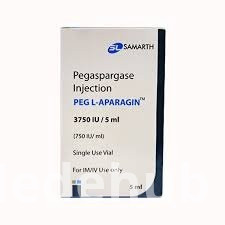
About
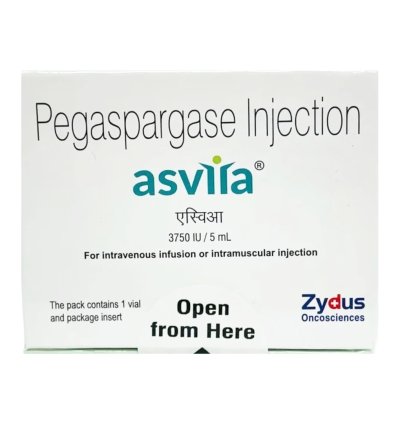
Pegaspargase is a modified form of the enzyme L-asparaginase, where the enzyme is conjugated to polyethylene glycol (PEG). This pegylation significantly extends its half-life and reduces its immunogenicity compared to the native enzyme. L-asparaginase works by depleting L-asparagine, an amino acid essential for protein synthesis in certain rapidly proliferating cells, particularly leukemic lymphoblasts, which lack the enzyme asparagine synthetase and thus cannot synthesize their own asparagine. Normal cells, however, can synthesize asparagine and are less affected. By depriving these cancer cells of a critical nutrient, pegaspargase inhibits their protein synthesis, leading to cell cycle arrest and apoptosis. It is a cornerstone in the treatment regimens for acute lymphoblastic leukemia (ALL), especially in patients who develop hypersensitivity to native asparaginase.
Uses
- Treatment of acute lymphoblastic leukemia (ALL) in pediatric and adult patients.
- Part of multi-agent chemotherapy regimens for ALL.
- Used in patients who have developed hypersensitivity to native forms of L-asparaginase.
- Induction and re-induction therapy for ALL.
Directions For Use
Administer intramuscularly or intravenously as directed by a healthcare professional, typically every 2-3 weeks.
Benefits
- Extended half-life allows for less frequent dosing.
- Reduced immunogenicity compared to native asparaginase.
- Effective in treating acute lymphoblastic leukemia.
- Can be used in patients with hypersensitivity to other asparaginase forms.
- Crucial component of ALL chemotherapy protocols.
- Improves treatment outcomes in specific patient populations.
Side Effects
- Hypersensitivity reactions (anaphylaxis)
- Pancreatitis
- Coagulopathy (thrombosis or hemorrhage)
- Hyperglycemia
- Hepatotoxicity
- Nausea and vomiting
- Fatigue
- Fever
- Rash
- Abdominal pain
- Central nervous system dysfunction (e.g., confusion)
- Hypertriglyceridemia
Safety Measures
- Alcohol - Avoid alcohol due to potential for increased liver toxicity and pancreatitis, which are known side effects of pegaspargase.
- Pregnancy - Contraindicated during pregnancy due to potential fetal harm. Effective contraception is required for women of childbearing potential.
- Breastfeeding - Discontinue breastfeeding during treatment and for a period after the last dose due to potential for serious adverse reactions in the infant.
- Liver - Use with extreme caution in patients with pre-existing liver impairment; monitor liver function closely due to significant hepatotoxicity risk.
- Kidney - No specific dose adjustment is generally required for renal impairment, but monitor for fluid and electrolyte imbalances.
- Lung - Monitor for signs of pulmonary toxicity, though less common, and manage any respiratory distress promptly.
Disclaimer
MedEHub is committed to delivering reliable, expert-reviewd information to help consumers make informed health decisions. However, the content provided on this website is for informational purposes only and is not intended to replace professional medical advice, diagnosis or treatment.
Always consult your doctor for any medical concerns, and discuss your questions about health conditions or medications with a qualified healthcare professional. Do not ignore or delay seeking professional medical advice based on information found on Med E Hub.
Our goal is to complement, not replace, the essential doctor-patient relationship.
| Shipping Cost |
|
| Shop Location | Assam, India |



No comments found for this product. Be the first to comment!