
About
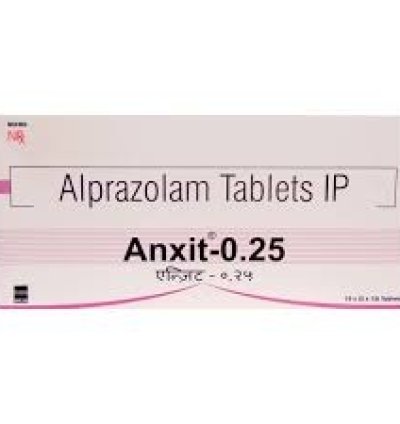
Alprazolam, a well-known benzodiazepine, is prescribed for the short-term treatment of anxiety disorders, including generalized anxiety disorder and panic disorder. Its mechanism involves potentiating the effects of gamma-aminobutyric acid (GABA), a key inhibitory neurotransmitter in the central nervous system. This enhancement of GABAergic transmission leads to a reduction in neuronal hyperexcitability, resulting in significant anxiolytic and calming effects. With its rapid onset and relatively short duration of action, alprazolam is highly effective for providing immediate relief from acute anxiety symptoms and panic attacks. However, due to the inherent risks of developing tolerance, dependence, and withdrawal phenomena, its clinical application is typically limited to brief periods and necessitates close monitoring by a healthcare professional to manage potential adverse effects and ensure appropriate use.
Uses
- Short-term treatment of generalized anxiety disorder.
- Management of panic disorder with or without agoraphobia.
- Relief of anxiety associated with depression.
- Acute symptomatic relief of anxiety.
Directions For Use
Take orally as prescribed by your doctor, usually two to three times daily. Do not exceed the recommended dose.
Benefits
- Rapidly reduces symptoms of anxiety.
- Effective in controlling panic attacks.
- Provides a calming and sedative effect.
- Helps improve sleep in anxious individuals.
- Short-term relief for acute stress.
- Well-established efficacy for its indications.
Side Effects
- Drowsiness
- Dizziness
- Lightheadedness
- Fatigue
- Memory impairment
- Slurred speech
- Coordination problems
- Headache
- Nausea
- Constipation
- Blurred vision
- Paradoxical excitement (rare)
Safety Measures
- Alcohol - Strictly avoid alcohol as it significantly enhances the sedative effects and increases the risk of respiratory depression and overdose.
- Pregnancy - Not recommended during pregnancy, especially in the first trimester, due to potential risks of congenital malformations and neonatal withdrawal syndrome.
- Breastfeeding - Avoid during breastfeeding as alprazolam passes into breast milk and can cause sedation and withdrawal symptoms in the infant.
- Liver - Use with extreme caution in patients with liver impairment; dose reduction is often necessary due to impaired metabolism.
- Kidney - Use with caution in patients with severe kidney impairment; dose adjustment may be required.
- Lung - Use with caution in patients with severe respiratory conditions (e.g., COPD, sleep apnea) due to the risk of respiratory depression.
Disclaimer
MedEHub is committed to delivering reliable, expert-reviewd information to help consumers make informed health decisions. However, the content provided on this website is for informational purposes only and is not intended to replace professional medical advice, diagnosis or treatment.
Always consult your doctor for any medical concerns, and discuss your questions about health conditions or medications with a qualified healthcare professional. Do not ignore or delay seeking professional medical advice based on information found on Med E Hub.
Our goal is to complement, not replace, the essential doctor-patient relationship.
| Shipping Cost |
|
| Shop Location | Assam, India |






No comments found for this product. Be the first to comment!