
About
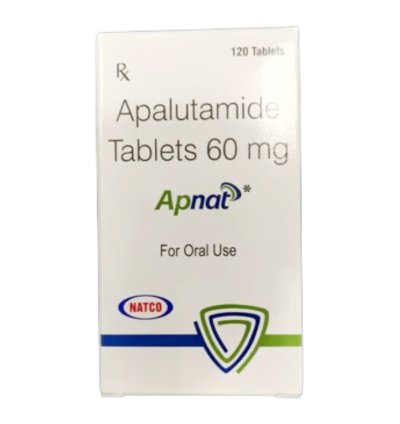
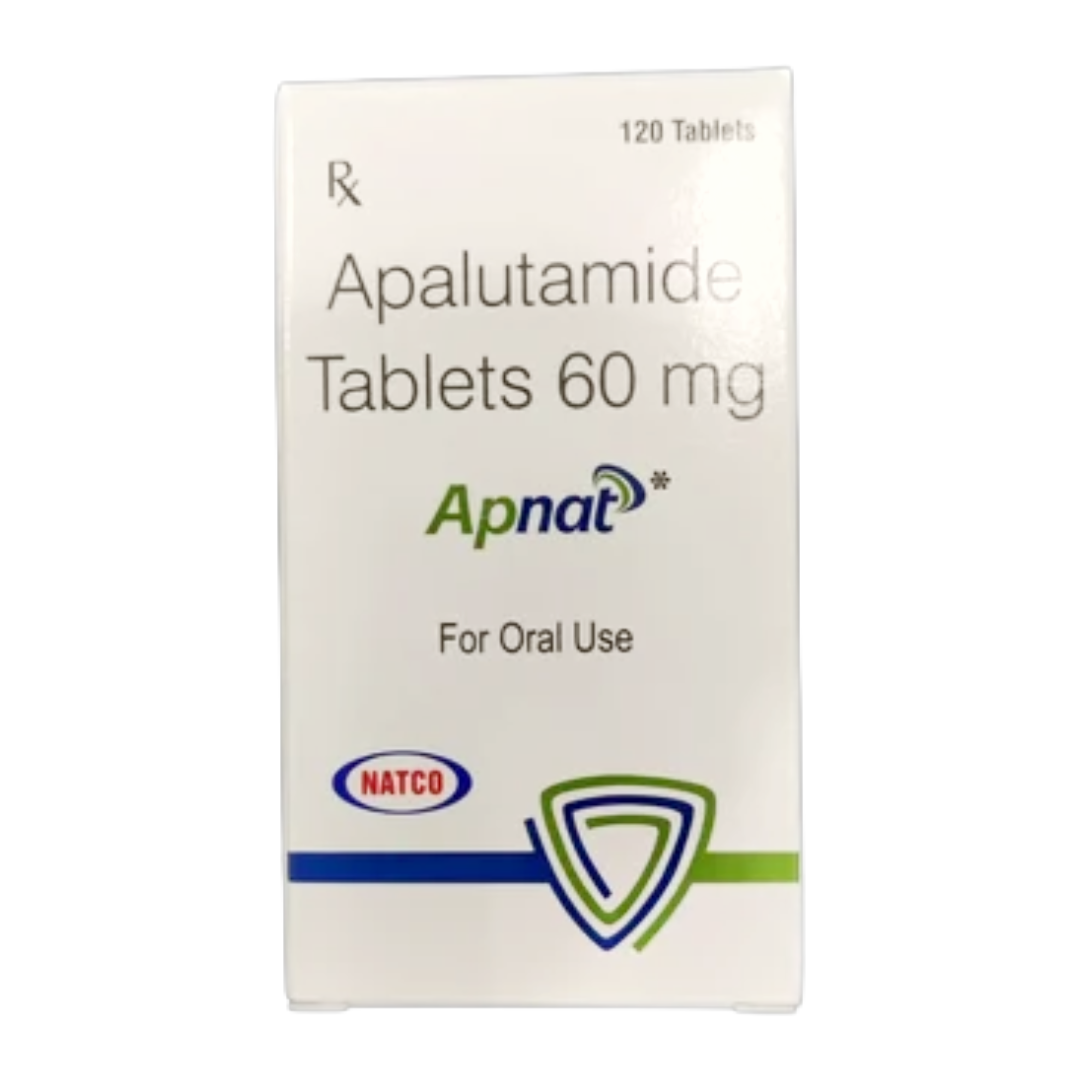
Apnat 60mg Tablet is a non-steroidal anti-inflammatory drug (NSAID) or a similar analgesic agent primarily used for its potent anti-inflammatory, analgesic, and antipyretic properties. It works by inhibiting the synthesis of prostaglandins, which are key mediators of pain, inflammation, and fever in the body. By reducing prostaglandin production, Apnat effectively alleviates symptoms associated with various inflammatory conditions and provides relief from mild to moderate pain. Its mechanism involves blocking specific enzymes, such as cyclooxygenase (COX-1 and/or COX-2), thereby interrupting the inflammatory cascade at an early stage.
This medication is commonly prescribed for acute and chronic pain management, as well as for reducing inflammation in musculoskeletal disorders. The therapeutic effects contribute to improved patient comfort and enhanced functional mobility. Due to its systemic action, it can address widespread inflammatory processes. However, like all NSAIDs, its use requires careful consideration of potential gastrointestinal, cardiovascular, and renal side effects, especially with long-term therapy or in susceptible individuals.
Uses
- Relief of mild to moderate pain
- Reduction of inflammation in various conditions
- Management of fever
- Treatment of musculoskeletal disorders
Directions For Use
Take Apnat 60mg Tablet orally with food or milk to minimize stomach upset, as directed by your healthcare provider. Do not exceed the prescribed dose.
Benefits
- Effective pain relief
- Reduces inflammation and swelling
- Helps lower fever
- Improves joint mobility
- Non-opioid pain management option
- Rapid onset of action
Side Effects
- Nausea and stomach upset
- Heartburn or indigestion
- Diarrhea or constipation
- Dizziness and headache
- Skin rash
- Fluid retention and edema
- Increased blood pressure
- Kidney function impairment
- Liver enzyme elevation
- Tinnitus (ringing in ears)
- Prolonged bleeding time
- Gastric ulcers or bleeding
Safety Measures
- Alcohol - Avoid or limit alcohol consumption due to increased risk of gastrointestinal bleeding and potential for liver damage when combined with NSAIDs.
- Pregnancy - Generally avoided in the third trimester of pregnancy due to potential fetal cardiovascular risks; consult a doctor for use in earlier trimesters.
- Breastfeeding - Use with caution; small amounts may pass into breast milk. Consult a healthcare professional before use.
- Liver - Use with caution in patients with hepatic impairment; monitor liver function tests regularly, and dose adjustment may be necessary.
- Kidney - Use with caution in patients with renal impairment or pre-existing kidney disease; monitor renal function closely, especially in the elderly.
- Lung - Generally safe, but caution is advised in patients with asthma, as NSAIDs can sometimes trigger bronchospasm in susceptible individuals.
Disclaimer
MedEHub is committed to delivering reliable, expert-reviewd information to help consumers make informed health decisions. However, the content provided on this website is for informational purposes only and is not intended to replace professional medical advice, diagnosis or treatment.
Always consult your doctor for any medical concerns, and discuss your questions about health conditions or medications with a qualified healthcare professional. Do not ignore or delay seeking professional medical advice based on information found on Med E Hub.
Our goal is to complement, not replace, the essential doctor-patient relationship.
| Shipping Cost |
|
| Shop Location | Assam, India |






No comments found for this product. Be the first to comment!