

About
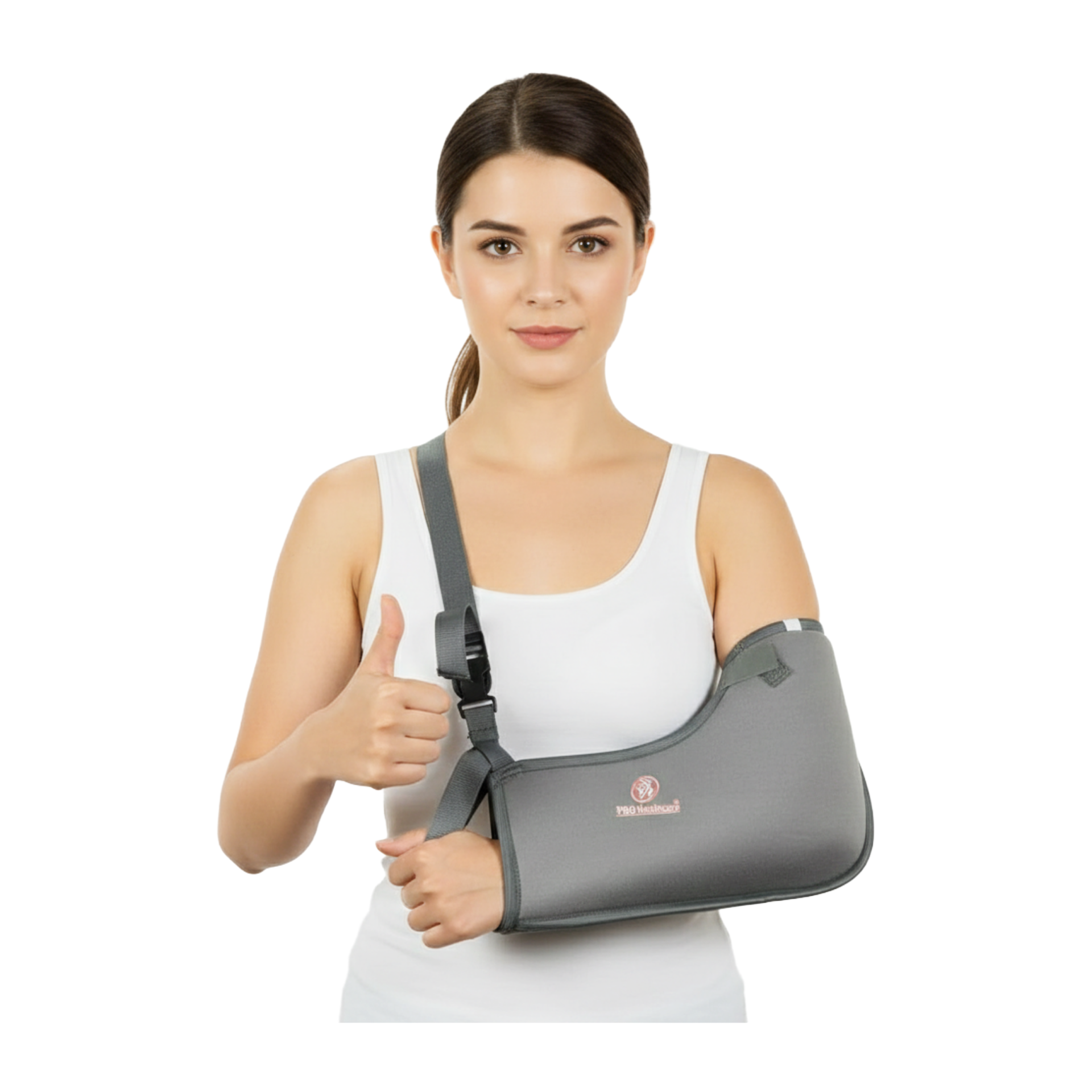
A pediatric arm sling is a specialized medical device meticulously designed to provide crucial support and effective immobilization for an injured arm, wrist, or shoulder in children. It typically comprises a soft, comfortable fabric pouch that gently cradles the child's forearm and an adjustable strap that extends over the opposite shoulder, ensuring the even distribution of the arm's weight. The primary and vital purpose of a pediatric arm sling is to maintain the injured limb in a stable, appropriately elevated position. This strategic positioning significantly helps to reduce pain, actively prevent any further injury or re-injury, and crucially promote the proper healing process for various conditions such as fractures, sprains, or post-surgical sites. Its thoughtful design specifically considers the unique comfort requirements and compliance challenges often associated with younger patients, thereby ensuring effective immobilization while simultaneously minimizing discomfort and encouraging adherence to treatment.
Uses
- Immobilizing the arm after fractures or sprains in children.
- Providing support during recovery from shoulder injuries.
- Protecting the arm post-surgery.
- Reducing pain and discomfort in an injured limb.
Directions For Use
Place the child's injured arm into the pouch, ensuring the elbow is fully seated. Bring the strap over the opposite shoulder and adjust its length so the arm rests comfortably at a 90-degree angle, with the hand slightly elevated.
Benefits
- Provides effective immobilization for healing.
- Reduces pain and swelling in the injured area.
- Prevents further injury or re-injury.
- Promotes proper alignment for bone healing.
- Lightweight and comfortable for children.
- Allows for some independence while protecting the limb.
Side Effects
- Skin irritation or chafing, especially in warm weather.
- Discomfort or pressure points if improperly fitted.
- Restricted movement leading to muscle stiffness.
- Poor hygiene if not regularly cleaned.
- Allergic reaction to fabric material (rare).
- Worsening of pain if not providing adequate support.
- Impaired circulation if too tight.
- Difficulty with dressing or personal care.
- Psychological impact of restricted activity.
- Risk of re-injury if not worn consistently.
- Uneven shoulder pressure.
- Difficulty sleeping comfortably.
Safety Measures
- Alcohol - Not applicable to the device itself for pediatric use. Ensure the child's environment is safe and free from hazards.
- Pregnancy - Not applicable for pediatric patients.
- Breastfeeding - Not applicable for pediatric patients.
- Liver - Not directly applicable to the device. Ensure the child's overall health is monitored, especially if underlying conditions exist.
- Kidney - Not directly applicable to the device. Ensure the child's overall health is monitored, especially if underlying conditions exist.
- Lung - Not directly applicable to the device. Ensure the child's breathing is not restricted by the sling, especially if they have pre-existing respiratory conditions.
Disclaimer
MedEHub is committed to delivering reliable, expert-reviewd information to help consumers make informed health decisions. However, the content provided on this website is for informational purposes only and is not intended to replace professional medical advice, diagnosis or treatment.
Always consult your doctor for any medical concerns, and discuss your questions about health conditions or medications with a qualified healthcare professional. Do not ignore or delay seeking professional medical advice based on information found on Med E Hub.
Our goal is to complement, not replace, the essential doctor-patient relationship.
| Shipping Cost |
|
| Shop Location | Assam, India |







No comments found for this product. Be the first to comment!