

About
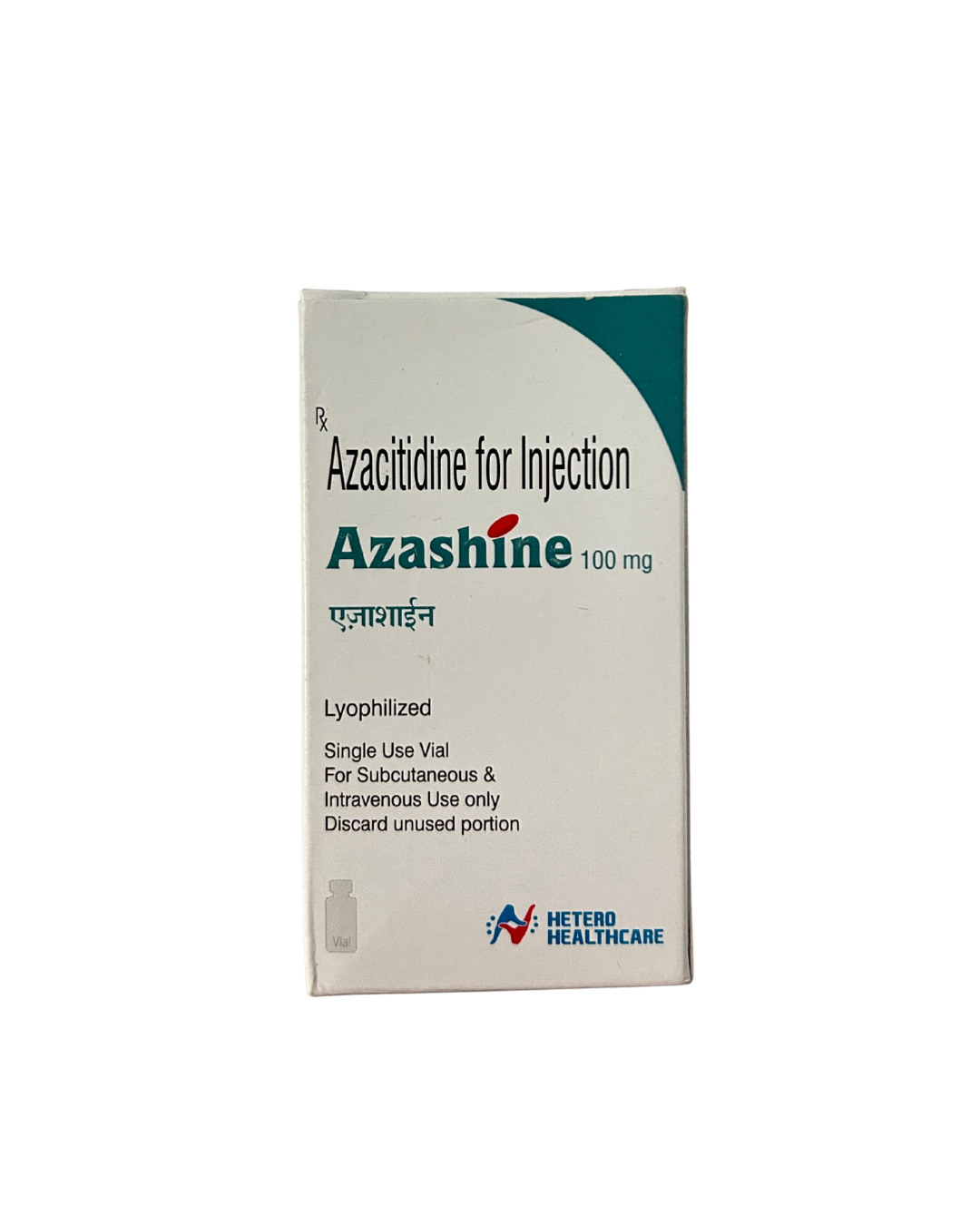
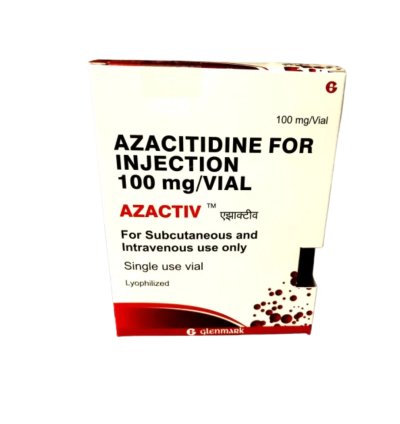
AZASHINE 100MG INJ VIAL contains Azacitidine, a pyrimidine nucleoside analog that acts as a hypomethylating agent. It works by being incorporated into DNA and RNA, where it inhibits DNA methyltransferase, an enzyme crucial for DNA methylation. By reducing DNA methylation, Azacitidine helps to restore normal function to genes that were silenced in cancer cells, leading to cell differentiation and apoptosis. It is primarily used in the treatment of myelodysplastic syndromes (MDS) and acute myeloid leukemia (AML).
Azacitidine's mechanism of action targets the epigenetic modifications that contribute to the development and progression of these hematologic malignancies. By reversing abnormal gene silencing, it can improve blood counts, reduce the need for transfusions, and prolong survival in patients with higher-risk MDS and certain types of AML. It is administered subcutaneously or intravenously, offering a vital therapeutic option for patients who may not be candidates for intensive chemotherapy.
Uses
- Treatment of myelodysplastic syndromes (MDS).
- Treatment of acute myeloid leukemia (AML) with 20-30% blasts.
- Treatment of chronic myelomonocytic leukemia (CMML).
- For patients not eligible for intensive chemotherapy.
Directions For Use
This medication is administered subcutaneously or intravenously by a healthcare professional. Follow the prescribed dosing schedule carefully.
Benefits
- Improves blood counts in MDS and AML.
- Reduces the need for red blood cell and platelet transfusions.
- Prolongs overall survival in higher-risk MDS.
- Induces remission in certain AML patients.
- Offers a treatment option for patients ineligible for intensive chemotherapy.
- Modifies gene expression to restore normal cell function.
Side Effects
- Nausea and vomiting
- Diarrhea or constipation
- Fatigue
- Fever
- Injection site reactions
- Myelosuppression (low blood counts)
- Anemia
- Thrombocytopenia
- Neutropenia
- Abdominal pain
- Rash
- Pneumonia
Safety Measures
- Alcohol - No specific interaction with alcohol is known, but it's generally advisable to limit alcohol intake during cancer treatment, especially due to potential liver effects.
- Pregnancy - Azacitidine can cause fetal harm. It is not recommended during pregnancy, and effective contraception should be used during treatment and for at least 6 months after the last dose for both males and females.
- Breastfeeding - It is unknown if Azacitidine is excreted in human milk. Due to the potential for serious adverse reactions in breastfed infants, breastfeeding is not recommended during treatment.
- Liver - Use with caution in patients with severe hepatic impairment. Liver function should be monitored regularly during treatment.
- Kidney - Use with caution in patients with renal impairment. Dose adjustment may be necessary for severe renal dysfunction. Renal function should be monitored.
- Lung - Rare cases of interstitial lung disease have been reported. Patients should be monitored for new or worsening pulmonary symptoms.
Disclaimer
MedEHub is committed to delivering reliable, expert-reviewd information to help consumers make informed health decisions. However, the content provided on this website is for informational purposes only and is not intended to replace professional medical advice, diagnosis or treatment.
Always consult your doctor for any medical concerns, and discuss your questions about health conditions or medications with a qualified healthcare professional. Do not ignore or delay seeking professional medical advice based on information found on Med E Hub.
Our goal is to complement, not replace, the essential doctor-patient relationship.
| Shipping Cost |
|
| Shop Location | Assam, India |


No comments found for this product. Be the first to comment!