
About
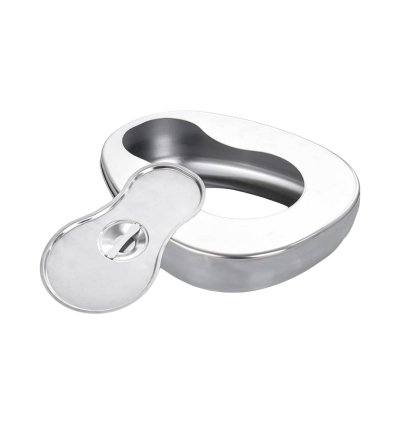
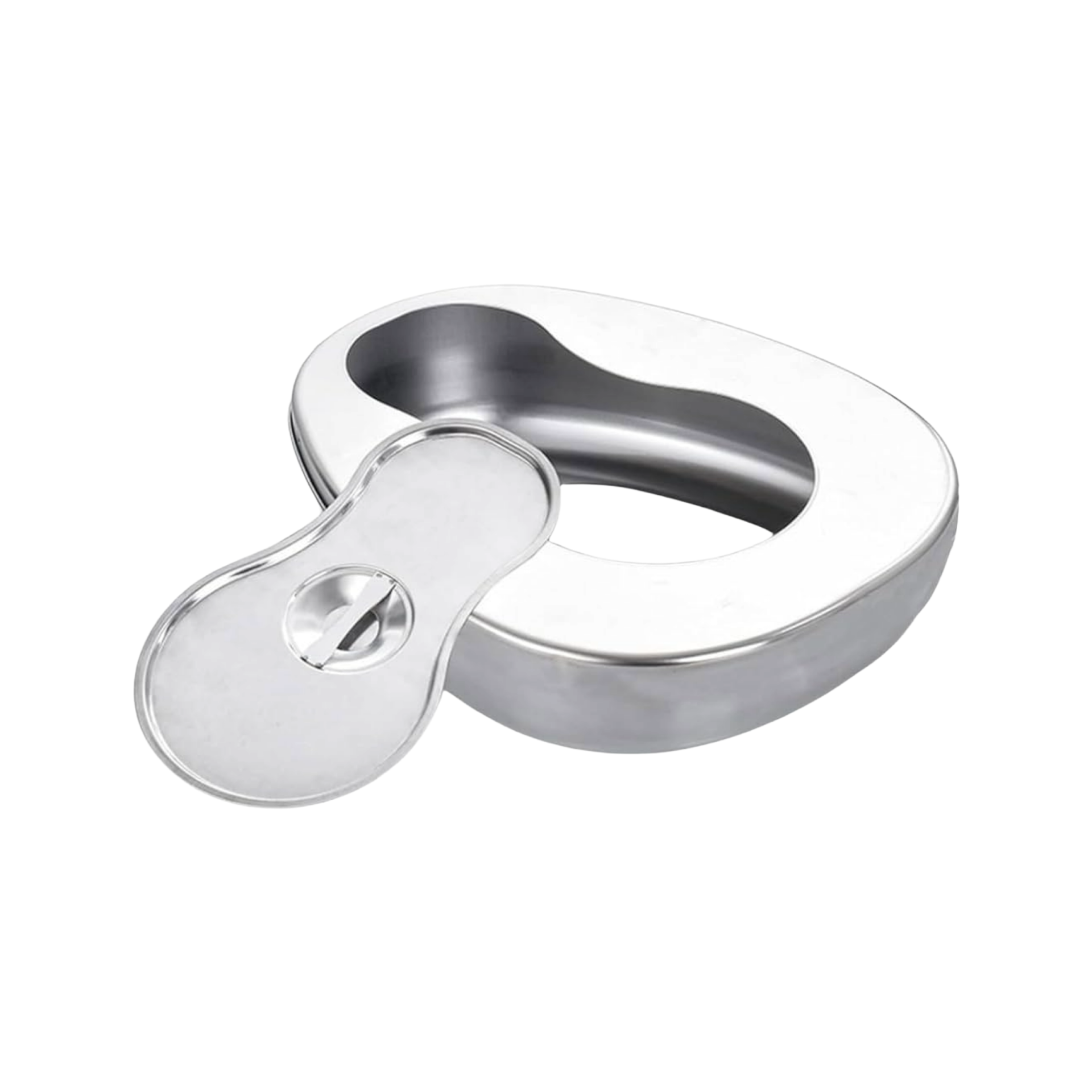
A bed pan is a medical device used by individuals who are bedridden or have limited mobility, allowing them to urinate or defecate without leaving their bed. It is an essential tool in patient care, promoting hygiene and dignity for those unable to access a toilet. Bed pans come in various designs, including standard models and fracture pans, which are flatter and easier to slide under patients with hip fractures or other conditions that limit movement. They are typically made from durable materials such like plastic or stainless steel, which are easy to clean and sanitize, crucial for preventing the spread of infection. Proper placement and removal of a bed pan are vital to ensure patient comfort, prevent spillage, and minimize the risk of skin breakdown or pressure sores, especially in vulnerable patients.
Uses
- Facilitating urination for bedridden patients.
- Assisting with defecation for immobile individuals.
- Post-surgical toileting for patients with restricted movement.
- Providing toileting solutions for patients with severe mobility limitations.
Directions For Use
Position the patient on their side, slide the bed pan firmly under the buttocks, ensuring proper alignment. Assist the patient to roll back onto their back. After use, remove carefully, clean the patient, and empty the pan.
Benefits
- Maintains patient dignity and privacy.
- Prevents falls for immobile patients.
- Easy to clean and sanitize.
- Reusable and cost-effective.
- Available in various designs for comfort.
- Essential for comprehensive patient care.
Side Effects
- Skin irritation or pressure sores if improperly positioned.
- Discomfort during use.
- Risk of spillage if not handled carefully.
- Potential for odor if not emptied promptly.
- Psychological distress or embarrassment for some patients.
- Difficulty in positioning for both patient and caregiver.
- Back strain for caregivers during lifting.
- Risk of infection if not properly cleaned.
- Minor skin redness from contact.
- Potential for skin breakdown with prolonged contact.
- Hygiene challenges if patient cannot self-clean.
- Limited mobility during use.
Safety Measures
- Alcohol - Not applicable for direct interaction; however, alcohol-based sanitizers may be used by caregivers for hand hygiene.
- Pregnancy - Safe for use during pregnancy, particularly for women with mobility issues or on bed rest.
- Breastfeeding - Safe for use during breastfeeding, as it is an external device with no systemic absorption.
- Liver - No direct impact on liver function; safe for use in patients with liver conditions.
- Kidney - No direct impact on kidney function; safe for use in patients with kidney conditions.
- Lung - No direct impact on lung function; safe for use in patients with lung conditions.
Disclaimer
MedEHub is committed to delivering reliable, expert-reviewd information to help consumers make informed health decisions. However, the content provided on this website is for informational purposes only and is not intended to replace professional medical advice, diagnosis or treatment.
Always consult your doctor for any medical concerns, and discuss your questions about health conditions or medications with a qualified healthcare professional. Do not ignore or delay seeking professional medical advice based on information found on Med E Hub.
Our goal is to complement, not replace, the essential doctor-patient relationship.
| Shipping Cost |
|
| Shop Location | Assam, India |









No comments found for this product. Be the first to comment!