

About
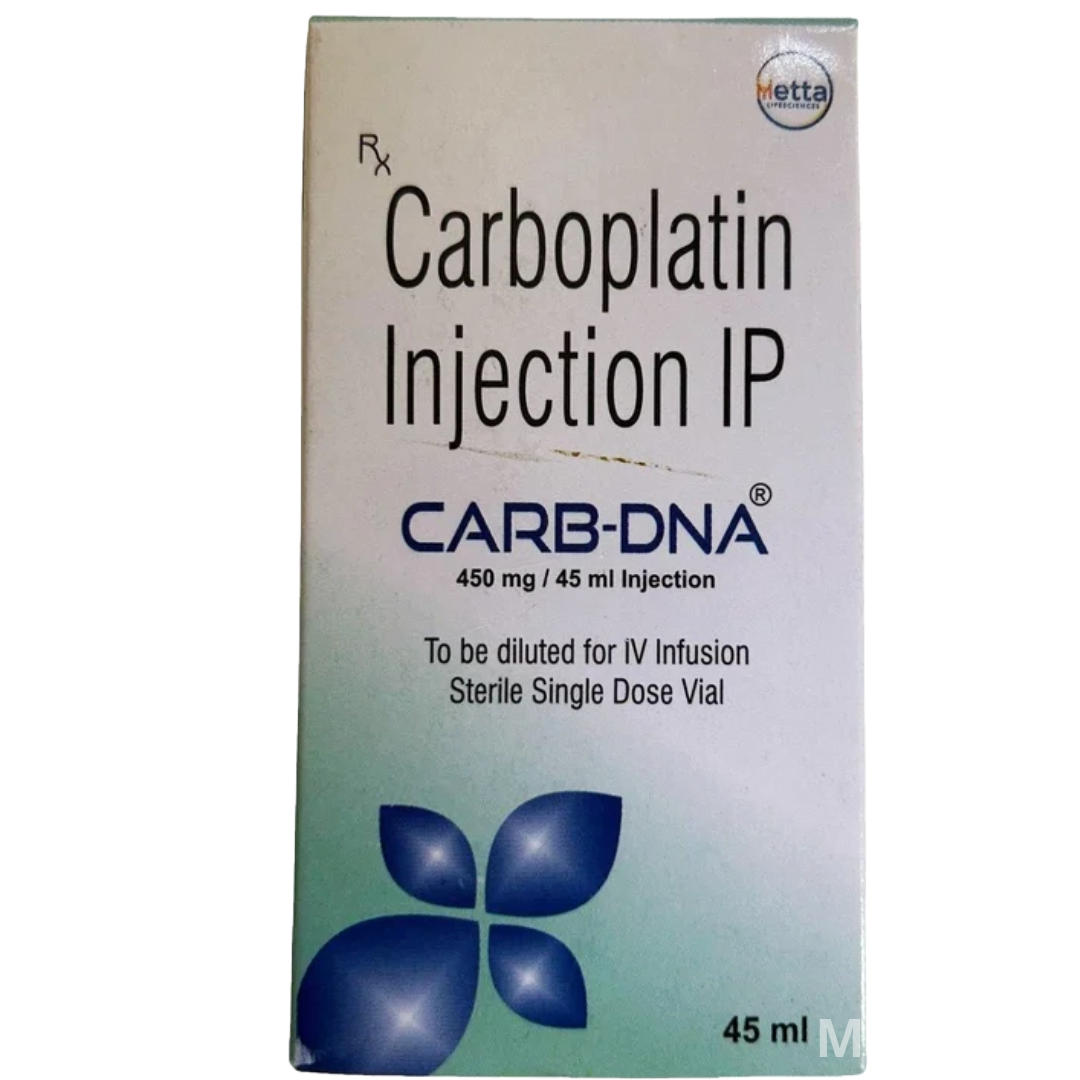
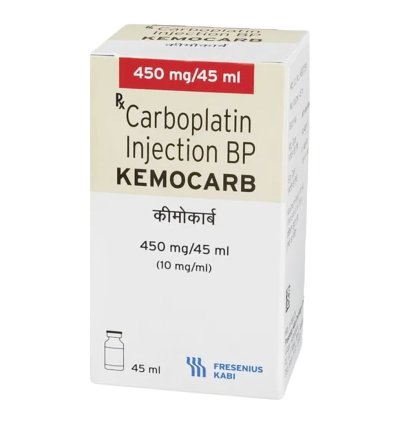
Carboplatin is a platinum-based antineoplastic agent widely utilized in chemotherapy for various solid tumors. Its mechanism of action involves the formation of DNA adducts, leading to cross-linking of DNA strands, which inhibits DNA synthesis and function. This disruption ultimately triggers apoptosis in rapidly dividing cancer cells, thereby preventing tumor growth and progression. It is often chosen over cisplatin due to its generally more favorable toxicity profile, particularly regarding nephrotoxicity and neurotoxicity, although myelosuppression remains a significant dose-limiting side effect. The drug's efficacy stems from its ability to interfere with the fundamental processes of cell replication, making it a cornerstone in the treatment of several malignancies.
The active platinum complexes bind covalently to DNA, forming intra- and inter-strand crosslinks, which distort the DNA helix and prevent its unwinding and replication. This cytotoxic effect is most pronounced in cells with high proliferative rates, characteristic of many cancer types. Carboplatin's role in combination regimens further enhances its therapeutic impact, allowing for synergistic effects with other cytotoxic agents and improving overall treatment outcomes for patients.
Uses
- Advanced epithelial ovarian carcinoma
- Non-small cell lung cancer
- Small cell lung cancer
- Head and neck squamous cell carcinoma
Directions For Use
Administered intravenously by a qualified healthcare professional. Dosage and frequency are determined by the patient's condition, cancer type, and response to treatment.
Benefits
- Effective against a broad spectrum of solid tumors.
- Generally less nephrotoxic than cisplatin.
- Lower incidence of severe neurotoxicity.
- Can be used effectively in combination chemotherapy regimens.
- Well-established efficacy in various treatment protocols.
- Improved patient tolerance compared to some older platinum agents.
Side Effects
- Myelosuppression (thrombocytopenia, leukopenia, anemia)
- Nausea and vomiting
- Peripheral neuropathy
- Ototoxicity (hearing impairment)
- Hypersensitivity reactions
- Fatigue and weakness
- Alopecia (hair thinning or loss)
- Electrolyte disturbances (e.g., hypomagnesemia)
- Nephrotoxicity (less common but possible)
- Mucositis
- Diarrhea
- Elevated liver enzymes
Safety Measures
- Alcohol - Avoid alcohol during treatment as it may exacerbate side effects like nausea, fatigue, or potential liver toxicity.
- Pregnancy - Contraindicated in pregnancy due to significant risk of fetal harm. Effective contraception is essential for both male and female patients.
- Breastfeeding - Not recommended during breastfeeding due to potential excretion into breast milk and harm to the infant.
- Liver - Use with caution; dose adjustments may be necessary in patients with pre-existing hepatic impairment.
- Kidney - Dose adjustments are crucial in patients with renal impairment due to its primary renal excretion.
- Lung - Use with caution in patients with pre-existing lung conditions; pulmonary toxicity is rare but possible.
Disclaimer
MedEHub is committed to delivering reliable, expert-reviewd information to help consumers make informed health decisions. However, the content provided on this website is for informational purposes only and is not intended to replace professional medical advice, diagnosis or treatment.
Always consult your doctor for any medical concerns, and discuss your questions about health conditions or medications with a qualified healthcare professional. Do not ignore or delay seeking professional medical advice based on information found on Med E Hub.
Our goal is to complement, not replace, the essential doctor-patient relationship.
| Shipping Cost |
|
| Shop Location | Assam, India |











No comments found for this product. Be the first to comment!