
About
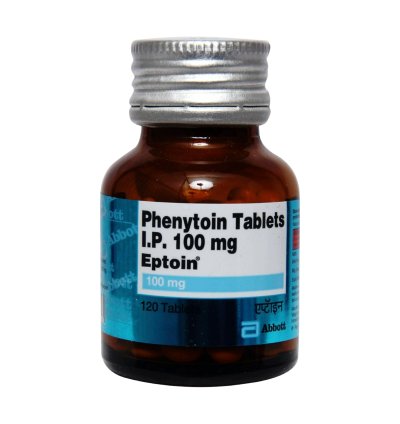
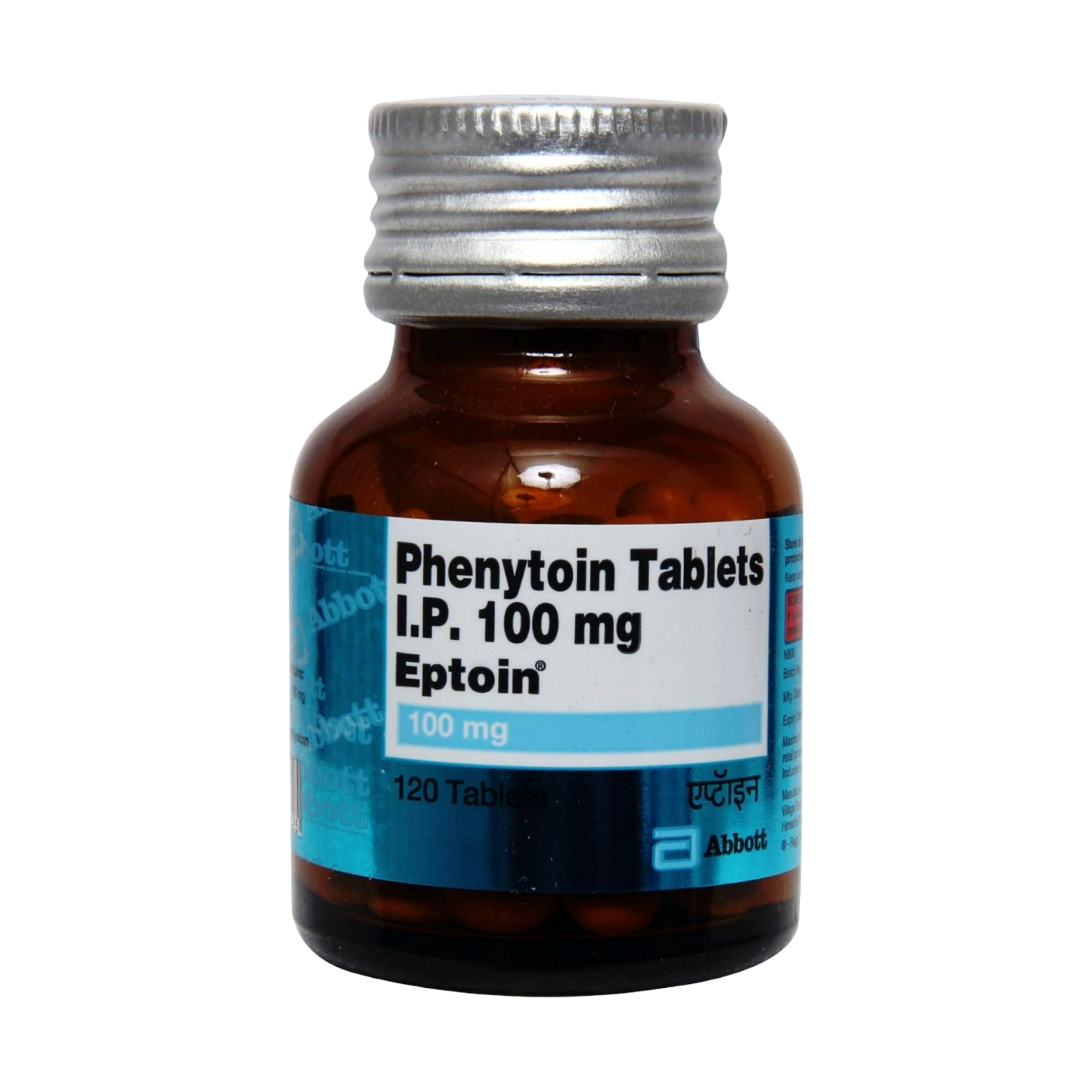
Phenytoin is a hydantoin derivative anticonvulsant widely used in the treatment of various seizure disorders, excluding absence seizures. It primarily acts by stabilizing neuronal membranes and reducing the propagation of seizure activity from the focus by modulating voltage-gated sodium channels. By prolonging the inactivated state of these channels, phenytoin limits repetitive firing of action potentials, thereby preventing the spread of abnormal electrical discharges in the brain. Its efficacy in controlling generalized tonic-clonic and partial seizures has made it a cornerstone in epilepsy management for decades. Due to its complex pharmacokinetics, including dose-dependent elimination and high protein binding, careful therapeutic drug monitoring is crucial to maintain plasma concentrations within the narrow therapeutic range, thereby optimizing seizure control while minimizing the risk of dose-related adverse effects and drug interactions.
Uses
- Control of generalized tonic-clonic seizures.
- Treatment of complex partial (psychomotor) seizures.
- Prevention and treatment of seizures during neurosurgery.
- Management of status epilepticus (parenteral form).
Directions For Use
Take this medication orally, usually two or three times daily, as prescribed by your doctor. Do not stop taking it abruptly.
Benefits
- Effective for various seizure types.
- Stabilizes neuronal membranes.
- Reduces abnormal electrical activity in the brain.
- Well-established efficacy in epilepsy management.
- Available in various formulations.
- Can be used for seizure prophylaxis.
Side Effects
- Nystagmus
- Ataxia
- Slurred speech
- Drowsiness
- Gingival hyperplasia
- Hirsutism
- Rash
- Nausea
- Vomiting
- Dizziness
- Osteomalacia
- Megaloblastic anemia
Safety Measures
- Alcohol - Acute alcohol intake can increase phenytoin levels, while chronic alcohol use can decrease them, affecting seizure control. Avoid or limit alcohol consumption.
- Pregnancy - Phenytoin is associated with Fetal Hydantoin Syndrome, characterized by craniofacial anomalies, limb defects, and developmental delay. Use during pregnancy should be carefully weighed against risks, with folic acid supplementation.
- Breastfeeding - Phenytoin is excreted into breast milk in small amounts. While generally considered compatible with breastfeeding, monitor the infant for sedation, poor feeding, or irritability.
- Liver - Phenytoin is extensively metabolized by the liver. Use with caution in patients with hepatic impairment; dose adjustments and close monitoring of liver function and drug levels are essential.
- Kidney - While primarily metabolized by the liver, renal impairment can affect protein binding and elimination of phenytoin metabolites. Use with caution, though dose adjustment is often not required for renal failure alone.
- Lung - No specific direct adverse effects on lung function are typically noted. However, severe hypersensitivity reactions (DRESS syndrome) can involve pulmonary manifestations.
Disclaimer
MedEHub is committed to delivering reliable, expert-reviewd information to help consumers make informed health decisions. However, the content provided on this website is for informational purposes only and is not intended to replace professional medical advice, diagnosis or treatment.
Always consult your doctor for any medical concerns, and discuss your questions about health conditions or medications with a qualified healthcare professional. Do not ignore or delay seeking professional medical advice based on information found on Med E Hub.
Our goal is to complement, not replace, the essential doctor-patient relationship.
| Shipping Cost |
|
| Shop Location | Assam, India |







No comments found for this product. Be the first to comment!