

About
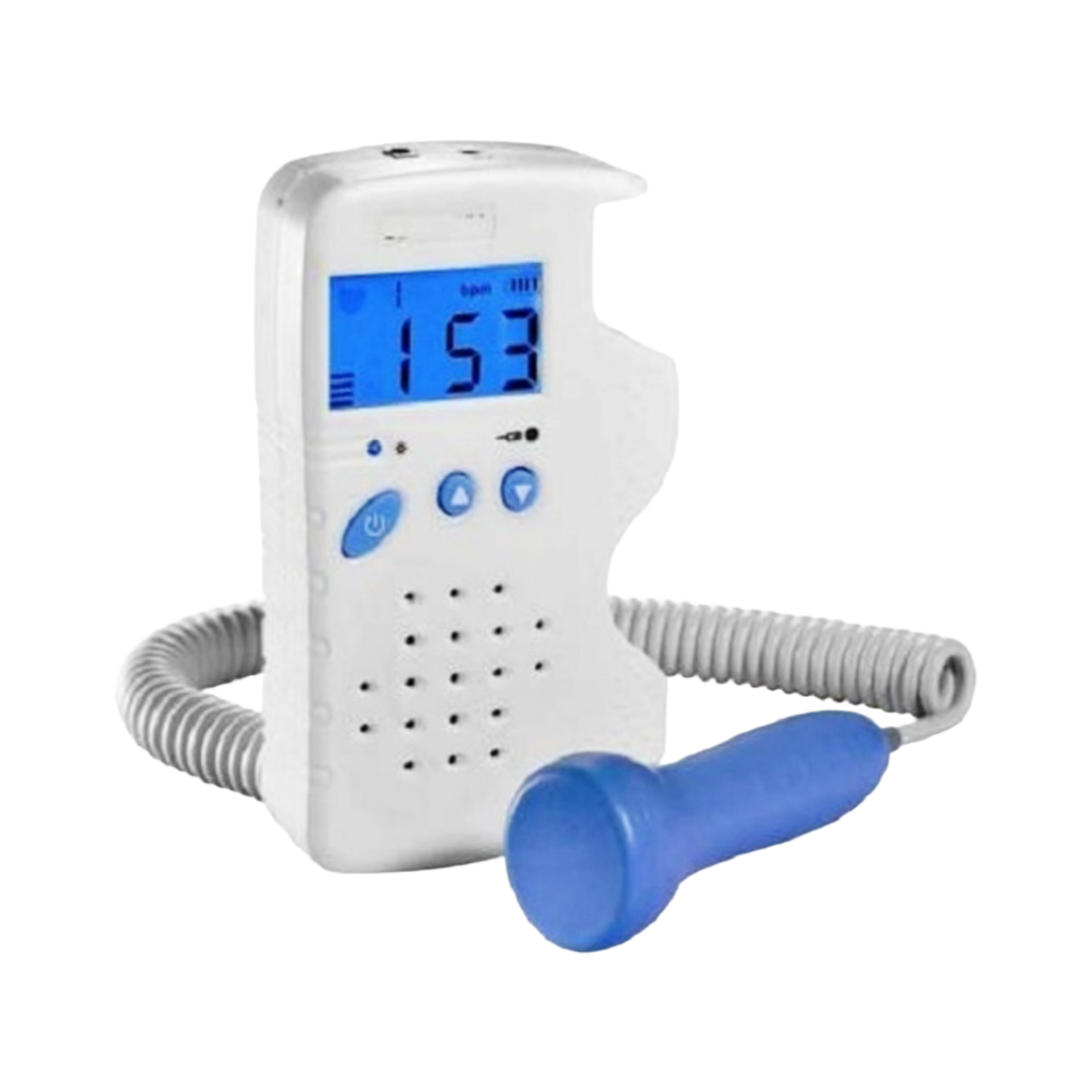
A fetal Doppler, such as the FD 101, is a handheld ultrasound device used to detect and monitor a fetal heartbeat. It operates by emitting high-frequency sound waves that bounce off the fetal heart, and then converting these reflected waves into an audible sound, allowing parents and healthcare providers to listen to the baby's heartbeat. This non-invasive device is commonly used during prenatal check-ups to confirm fetal viability and assess heart rate, typically becoming effective from around 10-12 weeks of gestation. While primarily a medical tool, home-use fetal Dopplers are also available, offering expectant parents a way to bond with their baby and gain reassurance between appointments.
The use of a fetal Doppler provides valuable information about the baby's well-being, particularly in monitoring heart rate patterns. It is important to note that while home Dopplers can provide comfort, they should not replace regular prenatal care or be used to self-diagnose potential issues. Misinterpretation of sounds or failure to detect a heartbeat can cause unnecessary anxiety or false reassurance. Healthcare professionals are trained to accurately interpret the readings and provide appropriate medical guidance. Always follow the manufacturer's instructions and consult with a doctor for any concerns regarding fetal health.
Uses
- Detecting fetal heartbeat during pregnancy.
- Monitoring fetal heart rate.
- Providing reassurance to expectant parents.
- Used in prenatal check-ups by professionals.
Directions For Use
Apply ultrasound gel to the abdomen.
Gently move the probe over the lower abdomen until a heartbeat is detected.
Benefits
- Allows listening to fetal heartbeat.
- Provides reassurance during pregnancy.
- Non-invasive and generally safe.
- Can be used by healthcare professionals and at home.
- Helps monitor fetal well-being.
- Facilitates early bonding with the baby.
Side Effects
- False reassurance if heartbeat is misinterpreted.
- Unnecessary anxiety if heartbeat is not found.
- Potential for overuse without medical guidance.
- Skin irritation from ultrasound gel.
- Minor discomfort from probe pressure.
- Misinterpretation of other abdominal sounds.
- Battery failure during critical use.
- Device malfunction leading to inaccurate readings.
- Dependency on device for reassurance.
- Delay in seeking medical attention for actual concerns.
- Potential for mild tissue heating with prolonged use (theoretical).
- Psychological stress if unable to locate heartbeat.
Safety Measures
- Alcohol - Not applicable for direct use; avoid cleaning the probe with alcohol as it may damage the device.
- Pregnancy - Generally considered safe for intermittent use during pregnancy, but avoid excessive or prolonged use. Always consult a healthcare provider.
- Breastfeeding - Not applicable as it's used during pregnancy.
- Liver - Not applicable; no systemic absorption or impact on liver function.
- Kidney - Not applicable; no systemic absorption or impact on kidney function.
- Lung - Not applicable; no respiratory impact.
Disclaimer
MedEHub is committed to delivering reliable, expert-reviewd information to help consumers make informed health decisions. However, the content provided on this website is for informational purposes only and is not intended to replace professional medical advice, diagnosis or treatment.
Always consult your doctor for any medical concerns, and discuss your questions about health conditions or medications with a qualified healthcare professional. Do not ignore or delay seeking professional medical advice based on information found on Med E Hub.
Our goal is to complement, not replace, the essential doctor-patient relationship.
| Shipping Cost |
|
| Shop Location | Assam, India |










No comments found for this product. Be the first to comment!