
About
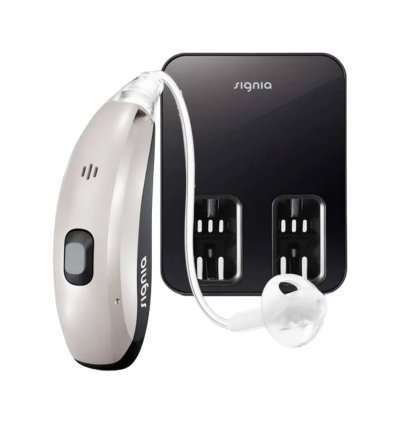
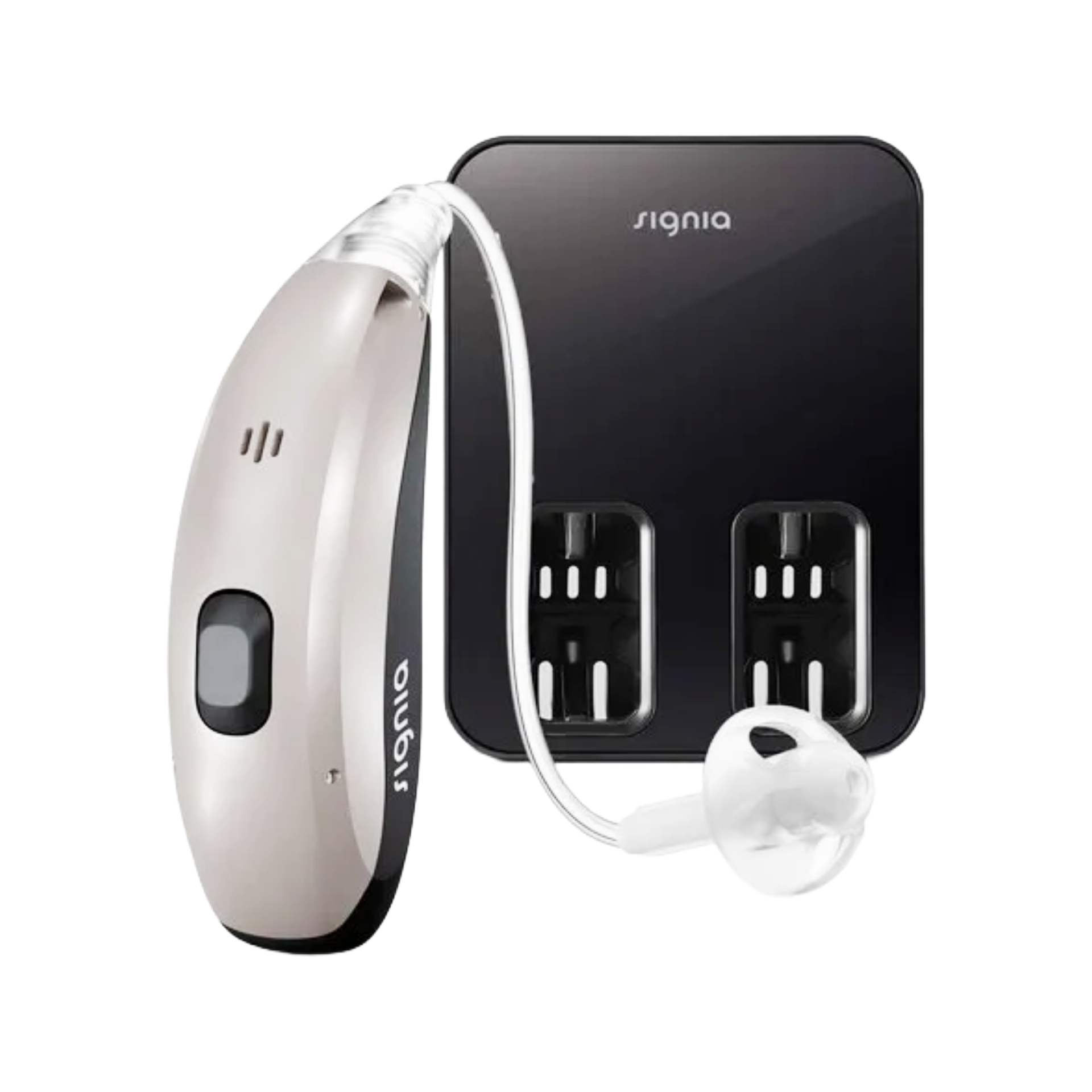
A hearing aid charger is an indispensable electronic accessory specifically engineered to efficiently replenish the power of rechargeable hearing aids, thereby eliminating the ongoing need for disposable batteries. These sophisticated devices typically employ advanced inductive charging technology, where hearing aids are simply placed into a precisely designed cradle or charging port, and electrical power is transferred wirelessly and safely. Modern chargers often boast features such as rapid-charging capabilities, compact and ergonomic designs for enhanced portability, and frequently include an integrated power bank, allowing for convenient charging even when away from a direct power source. They are absolutely crucial for ensuring the consistent and uninterrupted functionality of hearing aids, offering significant user convenience, substantial environmental benefits by drastically reducing battery waste, and considerable cost savings over the lifespan of the hearing aids. Regular and proper charging is vital for maintaining optimal performance, enabling users to experience continuous and clear auditory support throughout their daily activities.
Uses
- Recharging rechargeable hearing aids.
- Providing portable power for hearing aids.
- Storing hearing aids safely when not in use.
- Maintaining optimal hearing aid performance.
Directions For Use
Place your rechargeable hearing aids into the designated slots in the charger. Ensure proper alignment and close the lid if applicable.
Benefits
- Eliminates the need for disposable batteries.
- Offers convenience and ease of use.
- Environmentally friendly by reducing waste.
- Ensures consistent hearing aid functionality.
- Often portable with power bank features.
- Cost-effective in the long run.
Side Effects
- Hearing aids not charging properly.
- Charger malfunction or failure.
- Overheating of the charger or hearing aids.
- Damage to hearing aids from improper placement.
- Electrical shock from faulty charger (rare).
- Short circuit or power surge issues.
- Battery degradation over time.
- Incompatibility with certain hearing aid models.
- Slow charging times.
- Indicator lights not working.
- Physical damage to charger ports.
- Noise interference during charging (rare).
Safety Measures
- Alcohol - Avoid using alcohol-based cleaners on the charger or hearing aids, as it can damage electronic components or finishes. Ensure hands are dry before handling.
- Pregnancy - Hearing aid chargers are external electronic devices and are safe for use by pregnant individuals. They do not emit harmful radiation or substances.
- Breastfeeding - Hearing aid chargers are external electronic devices and are safe for use by breastfeeding individuals. They do not involve any systemic substances that could pass into breast milk.
- Liver - Liver conditions do not directly impact the use of hearing aid chargers, as they are external electronic devices.
- Kidney - Kidney conditions do not directly impact the use of hearing aid chargers, as they are external electronic devices.
- Lung - Lung conditions do not directly impact the use of hearing aid chargers, as they are external electronic devices.
Disclaimer
MedEHub is committed to delivering reliable, expert-reviewd information to help consumers make informed health decisions. However, the content provided on this website is for informational purposes only and is not intended to replace professional medical advice, diagnosis or treatment.
Always consult your doctor for any medical concerns, and discuss your questions about health conditions or medications with a qualified healthcare professional. Do not ignore or delay seeking professional medical advice based on information found on Med E Hub.
Our goal is to complement, not replace, the essential doctor-patient relationship.
| Shipping Cost |
|
| Shop Location | Assam, India |












No comments found for this product. Be the first to comment!