

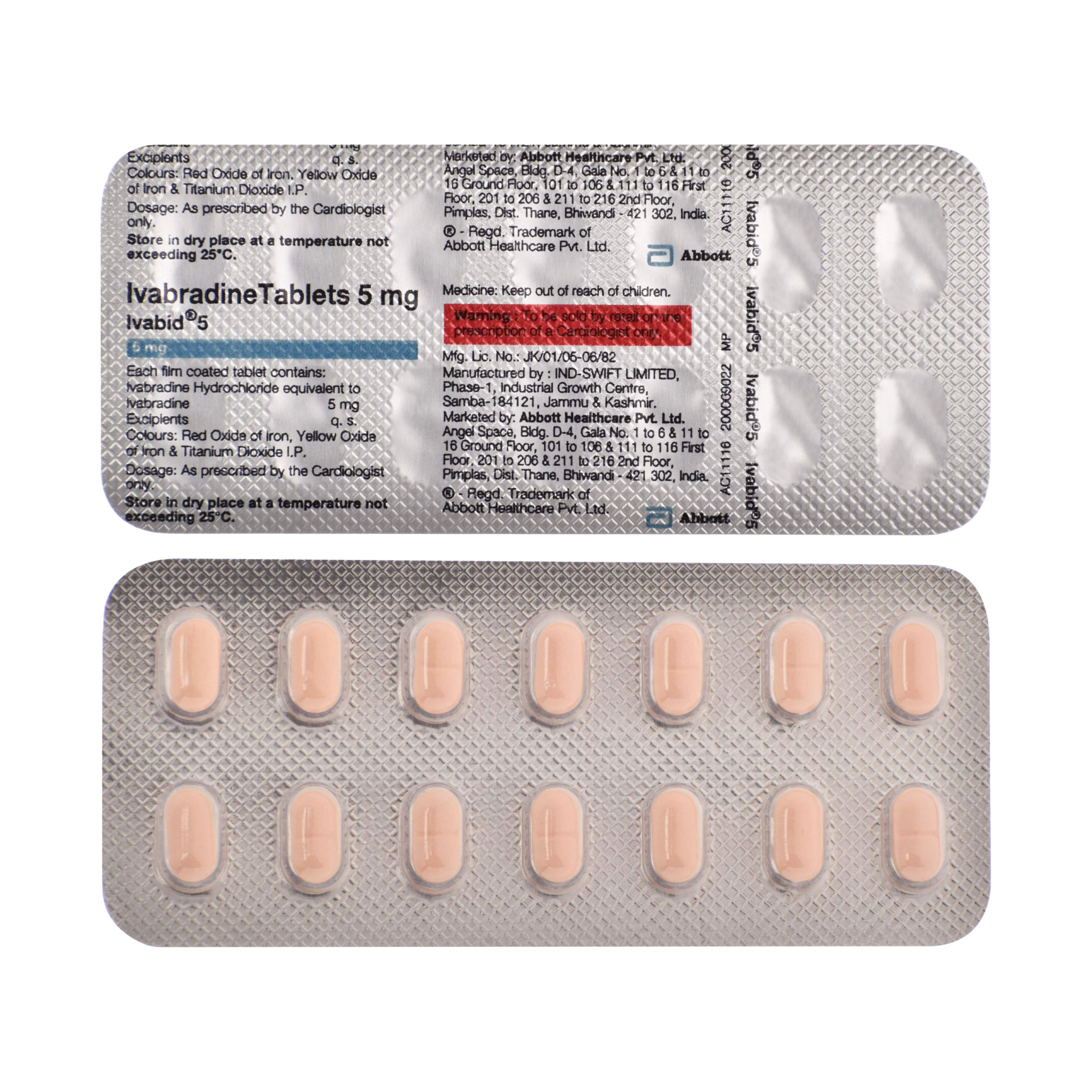
AboutIvabradine is a unique and selective heart rate-lowering agent that operates by specifically inhibiting the If (funny) current within the sinoatrial node, the natural pacemaker of the heart. This If current is a mixed sodium-potassium inward current that plays a crucial role in controlling the spontaneous diastolic depolarization, which determines heart rate. By selectively modulating this current, ivabradine achieves a dose-dependent reduction in heart rate, leading to a prolonged diastolic phase. Crucially, this heart rate reduction occurs without affecting myocardial contractility, cardiac repolarization, or intracardiac conduction times, distinguishing it from other rate-lowering agents like beta-blockers. The primary therapeutic benefit of reducing heart rate is a significant decrease in myocardial oxygen demand, thereby improving the balance between oxygen supply and demand. This makes ivabradine particularly beneficial in the symptomatic treatment of chronic stable angina pectoris and in the management of chronic heart failure with reduced ejection fraction, where it helps to reduce cardiovascular events.UsesSymptomatic treatment of chronic stable angina pectoris.Treatment of chronic heart failure with reduced ejection fraction.Reduction of cardiovascular events in heart failure patients.Management of patients with normal sinus rhythm.Directions For UseTake orally with food, usually twice daily. Swallow the tablet whole with water.BenefitsReduces heart rate without affecting contractility.Decreases myocardial oxygen demand.Improves exercise capacity in angina patients.Reduces the risk of cardiovascular events in heart failure.Provides symptomatic relief from angina.Well-tolerated in patients with normal sinus rhythm.Side EffectsLuminous phenomena (phosphenes, visual disturbances)Bradycardia (slow heart rate)HeadacheDizzinessBlurred visionAtrial fibrillationFirst-degree AV blockVentricular extrasystolesNauseaConstipationDiarrheaAngioedema (rare)Safety MeasuresAlcohol - No specific interaction with alcohol is known, but excessive alcohol consumption can affect cardiovascular health; moderation is generally advised.Pregnancy - Ivabradine is contraindicated in pregnancy due to potential embryotoxicity and fetotoxicity observed in animal studies. Effective contraception is required for women of childbearing potential.Breastfeeding - Ivabradine is contraindicated during breastfeeding as it is excreted in milk in animals, and potential risks to the infant cannot be excluded.Liver - Contraindicated in patients with severe hepatic impairment due to increased systemic exposure and potential for adverse effects. Use with caution in moderate impairment.Kidney - Use with caution in patients with severe renal impairment (creatinine clearance <15 mL/min) as data is limited. No dose adjustment needed for mild to moderate impairment.Lung - Generally safe for use in patients with lung conditions; however, monitor for any exacerbation of respiratory symptoms, especially if bradycardia becomes severe.DisclaimerMedEHub is committed to delivering reliable, expert-reviewd information to help consumers make
informed health decisions. However, the content provided on this website is for informational purposes only
and is not intended to replace professional medical advice, diagnosis or treatment.Always consult your doctor for any medical concerns, and discuss your questions about health
conditions or medications with a qualified healthcare professional. Do not ignore or delay seeking professional
medical advice based on information found on Med E Hub.Our goal is to complement, not replace, the essential doctor-patient relationship.
| Shipping Cost |
|
| Shop Location | Assam, India |





No comments found for this product. Be the first to comment!