

About
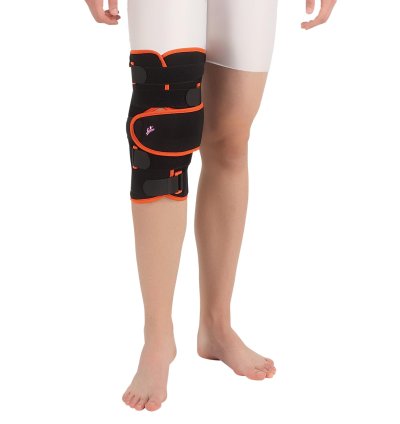
A short knee brace is a medical support device designed to provide stability, compression, and pain relief for the knee joint, typically extending above and below the knee but not significantly up the thigh or down the calf. These braces are often made from elastic, neoprene, or breathable fabric materials, sometimes incorporating flexible stays or hinges for enhanced support. Their primary function is to stabilize the patella, provide mild to moderate ligamentous support, and reduce stress on the joint during movement. They are particularly useful for managing conditions that do not require full immobilization but benefit from external support to prevent excessive motion or provide proprioceptive feedback.
Common indications for a short knee brace include mild to moderate ligament sprains (e.g., MCL or LCL), patellofemoral pain syndrome, mild osteoarthritis, and general knee instability during sports or daily activities. The compression helps to reduce swelling and improve circulation, while the support elements guide the knee through its natural range of motion, preventing harmful twisting or hyperextension. Proper fitting is essential to ensure optimal therapeutic effect and prevent discomfort or skin irritation. Patients should be advised on the correct application, wear schedule, and hygiene practices to maximize benefits and minimize potential adverse effects.
Uses
- Support for mild to moderate knee sprains.
- Management of patellofemoral pain syndrome.
- Stabilization for mild knee osteoarthritis.
- Prevention of re-injury during physical activity.
Directions For Use
Position the brace centrally over the kneecap, ensuring the support elements align with the knee joint. Secure all straps for a snug, comfortable fit.
Benefits
- Provides mild to moderate knee support.
- Reduces pain and inflammation.
- Enhances joint stability and proprioception.
- Allows for a greater range of motion than long braces.
- Comfortable for extended wear.
- Aids in rehabilitation and injury prevention.
Side Effects
- Skin irritation, chafing, or rash.
- Discomfort or pressure if too tight.
- Allergic reaction to brace materials.
- Reduced circulation if improperly fitted.
- Muscle weakness with prolonged overuse.
- Dependence on the brace for stability.
- Maceration of skin due to moisture buildup.
- Odor if not cleaned regularly.
- Bulky feeling under clothing.
- Potential for brace migration or slipping.
- Limited effectiveness for severe injuries.
- Psychological discomfort from constant wear.
Safety Measures
- Alcohol - No direct interaction. Avoid alcohol if it impairs judgment regarding proper use or pain management.
- Pregnancy - Generally safe. Ensure it does not restrict circulation or cause discomfort, especially with increased fluid retention.
- Breastfeeding - Safe for use during breastfeeding. No known risks.
- Liver - No direct impact on liver function. Safe for use in patients with liver conditions.
- Kidney - No direct impact on kidney function. Safe for use in patients with kidney conditions.
- Lung - No direct impact on lung function. Safe for use in patients with lung conditions.
Disclaimer
MedEHub is committed to delivering reliable, expert-reviewd information to help consumers make informed health decisions. However, the content provided on this website is for informational purposes only and is not intended to replace professional medical advice, diagnosis or treatment.
Always consult your doctor for any medical concerns, and discuss your questions about health conditions or medications with a qualified healthcare professional. Do not ignore or delay seeking professional medical advice based on information found on Med E Hub.
Our goal is to complement, not replace, the essential doctor-patient relationship.
| Shipping Cost |
|
| Shop Location | Assam, India |








No comments found for this product. Be the first to comment!