
About
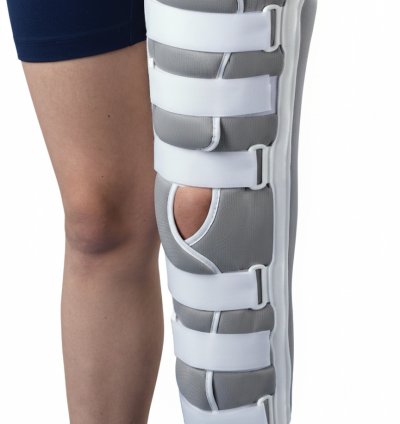
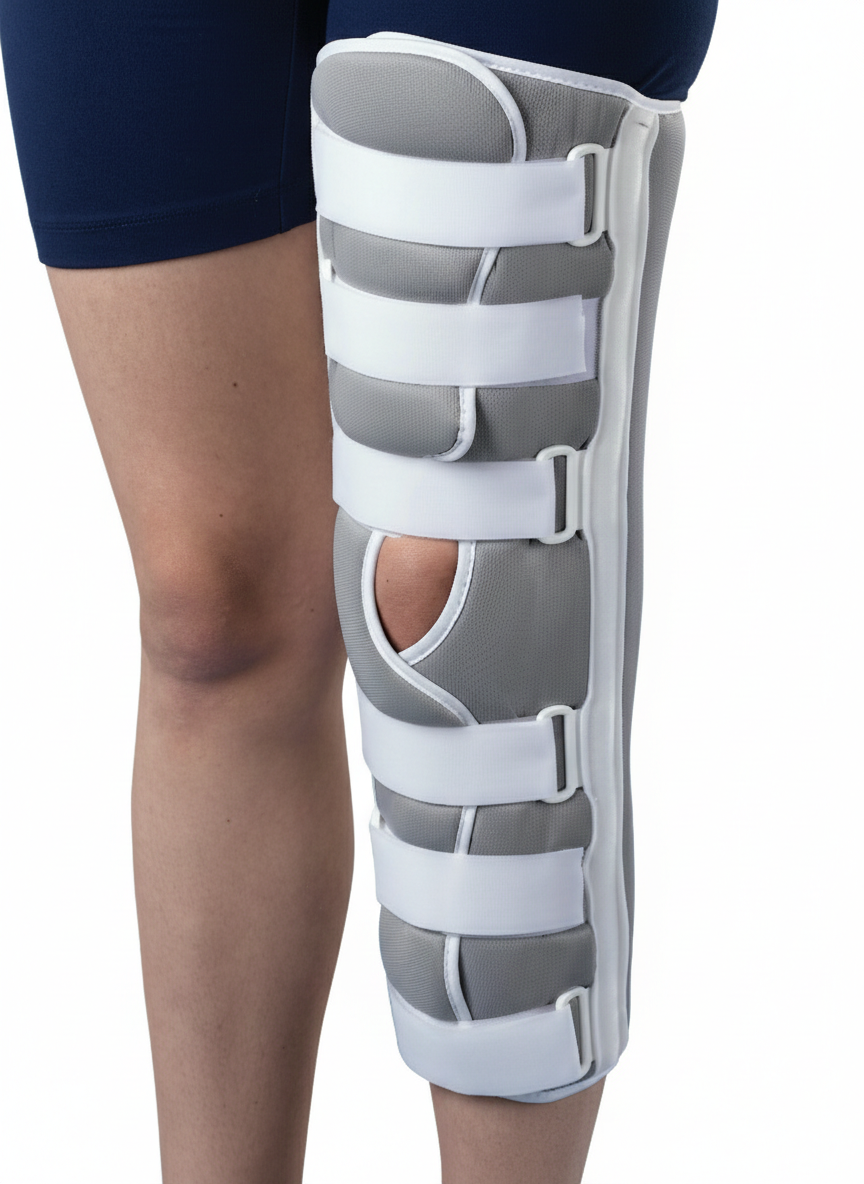
A long knee immobilizer is a medical device designed to provide rigid support and restrict movement of the knee joint following injury or surgery. Constructed typically from a combination of rigid posterior and lateral stays, padded liners, and adjustable hook-and-loop straps, it extends from the thigh to the calf, ensuring comprehensive stabilization. Its primary function is to prevent flexion and extension, thereby protecting healing tissues, reducing pain, and minimizing the risk of further damage. This immobilization is crucial in the initial stages of recovery for various knee pathologies, including severe sprains, fractures, dislocations, and post-operative conditions such as ligament repairs or meniscectomies. The design aims to maintain the knee in an extended position, facilitating proper alignment and promoting an optimal healing environment.
The device is often prescribed by orthopedic specialists and physical therapists as part of a structured rehabilitation protocol. It helps manage swelling and inflammation by providing gentle compression, while its rigid structure prevents unwanted motion that could compromise surgical repairs or exacerbate existing injuries. Patient education on proper application, hygiene, and potential complications is vital to ensure effective use and prevent adverse outcomes during the immobilization period.
Uses
- Post-operative knee stabilization (e.g., ACL repair).
- Management of acute knee sprains or strains.
- Immobilization for patellar dislocations.
- Support for stable knee fractures.
Directions For Use
Apply the immobilizer with the knee in full extension, ensuring all straps are snug but not overly tight. Adjust as needed for comfort and stability.
Benefits
- Provides rigid knee joint immobilization.
- Reduces pain and swelling post-injury/surgery.
- Protects healing ligaments and tissues.
- Prevents unwanted knee flexion and extension.
- Supports proper anatomical alignment.
- Facilitates early stages of rehabilitation.
Side Effects
- Skin irritation or pressure sores.
- Muscle atrophy due to disuse.
- Joint stiffness or contracture.
- Nerve compression or paresthesia.
- Increased risk of deep vein thrombosis (DVT).
- Discomfort or restricted mobility.
- Allergic reaction to materials.
- Impaired circulation if too tight.
- Difficulty with personal hygiene.
- Psychological impact of restricted movement.
- Potential for improper fit leading to instability.
- Edema distal to the immobilizer.
Safety Measures
- Alcohol - No direct interaction with alcohol, but avoid alcohol if it impairs judgment or ability to manage the device.
- Pregnancy - Generally safe, but ensure proper fit to avoid excessive pressure on abdomen or circulation. Consult physician.
- Breastfeeding - No known direct contraindications. Ensure comfort and mobility for infant care.
- Liver - No direct impact on liver function. Ensure comfort and monitor for skin issues if mobility is severely restricted.
- Kidney - No direct impact on kidney function. Ensure comfort and monitor for skin issues if mobility is severely restricted.
- Lung - No direct impact on lung function. Prolonged immobility might indirectly affect respiratory health; encourage deep breathing exercises.
Disclaimer
MedEHub is committed to delivering reliable, expert-reviewd information to help consumers make informed health decisions. However, the content provided on this website is for informational purposes only and is not intended to replace professional medical advice, diagnosis or treatment.
Always consult your doctor for any medical concerns, and discuss your questions about health conditions or medications with a qualified healthcare professional. Do not ignore or delay seeking professional medical advice based on information found on Med E Hub.
Our goal is to complement, not replace, the essential doctor-patient relationship.
| Shipping Cost |
|
| Shop Location | Assam, India |









No comments found for this product. Be the first to comment!