

About
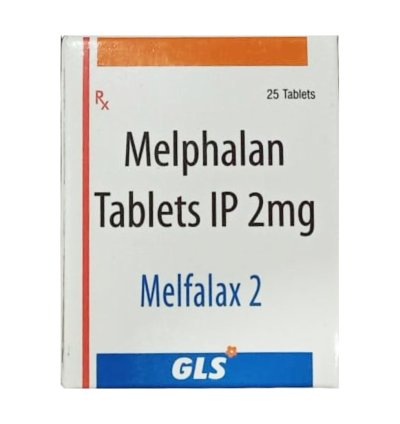
Melfalax 50mg Injection is a potent alkylating antineoplastic agent, a cornerstone in the systemic treatment of various aggressive cancers. Its therapeutic efficacy stems from its ability to interfere directly with the fundamental processes of DNA replication and transcription within rapidly dividing cells. By forming covalent bonds with DNA, it induces cross-links and breaks in the DNA strands, leading to irreparable damage, cell cycle arrest, and ultimately programmed cell death (apoptosis) in malignant cells. This cytotoxic action is non-specific to the cell cycle phase, making it broadly effective against a range of malignancies. Due to its potent nature and the necessity for precise administration and monitoring, it is typically administered intravenously in a controlled hospital environment under the close supervision of oncology specialists, often as part of complex chemotherapy regimens.
Uses
- Multiple myeloma
- Ovarian cancer
- Breast cancer
- Neuroblastoma
Directions For Use
Administer intravenously by a healthcare professional, strictly following the prescribed dosage and infusion rate.
Benefits
- Effective against various solid tumors
- Can induce remission in certain cancers
- Used in high-dose regimens with stem cell support
- Part of established combination chemotherapy protocols
- May prolong survival in specific patient populations
- Offers a treatment option for refractory cancers
Side Effects
- Bone marrow suppression (myelosuppression)
- Nausea and vomiting
- Mucositis
- Diarrhea
- Hair loss (alopecia)
- Skin rash
- Fatigue
- Fever
- Anemia
- Thrombocytopenia
- Leukopenia
- Peripheral neuropathy
Safety Measures
- Alcohol - Avoid alcohol during treatment as it may worsen gastrointestinal side effects and liver toxicity.
- Pregnancy - Highly teratogenic and embryotoxic; absolutely contraindicated during pregnancy.
- Breastfeeding - Contraindicated; discontinue breastfeeding due to potential harm to the infant.
- Liver - Use with extreme caution in patients with pre-existing liver impairment; monitor liver function closely.
- Kidney - Dose adjustment is often required in patients with renal impairment; monitor kidney function regularly.
- Lung - Rare but serious pulmonary toxicity (e.g., interstitial pneumonitis, fibrosis) can occur; monitor for respiratory symptoms.
Disclaimer
MedEHub is committed to delivering reliable, expert-reviewd information to help consumers make informed health decisions. However, the content provided on this website is for informational purposes only and is not intended to replace professional medical advice, diagnosis or treatment.
Always consult your doctor for any medical concerns, and discuss your questions about health conditions or medications with a qualified healthcare professional. Do not ignore or delay seeking professional medical advice based on information found on Med E Hub.
Our goal is to complement, not replace, the essential doctor-patient relationship.
| Shipping Cost |
|
| Shop Location | Assam, India |






No comments found for this product. Be the first to comment!