

About
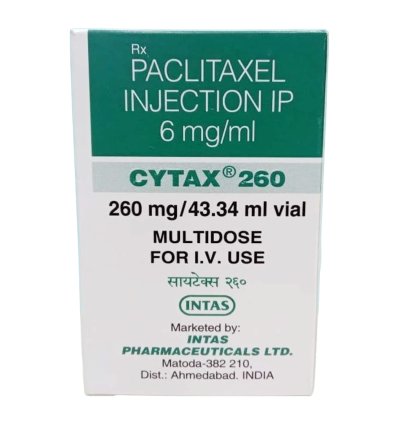
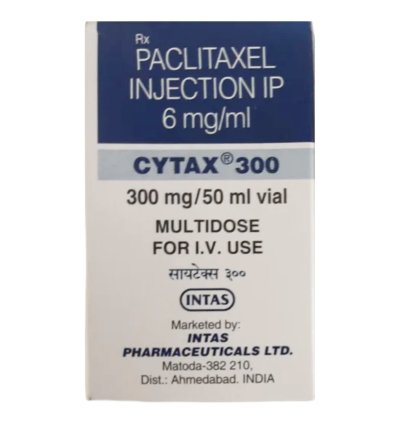
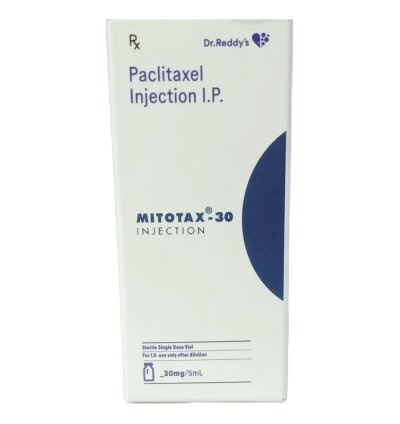
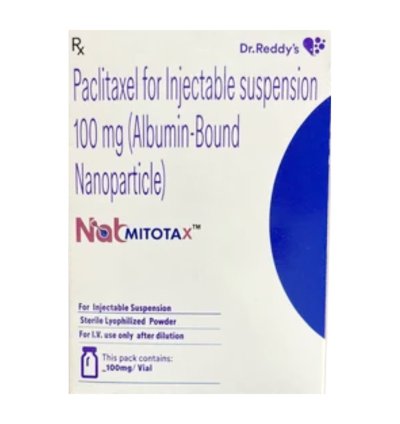
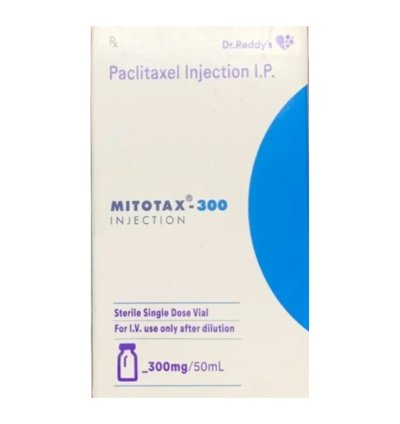
Paclitaxel is a potent antineoplastic agent belonging to the taxane class, extensively utilized in the chemotherapy regimens for various malignancies. Its primary mechanism of action involves disrupting the dynamic equilibrium of microtubules, which are critical components for cellular structure and division. Paclitaxel achieves this by promoting microtubule assembly and simultaneously inhibiting their depolymerization, leading to the formation of abnormally stable and non-functional microtubule bundles. This cellular disruption arrests cancer cells in the G2/M phase of the cell cycle, ultimately triggering apoptosis, or programmed cell death. This unique cytotoxic mechanism renders paclitaxel highly effective against a broad spectrum of rapidly proliferating solid tumors, making it a cornerstone in modern oncology. Formulations like nab-paclitaxel, an albumin-bound variant, aim to enhance drug delivery and reduce hypersensitivity reactions, further broadening its clinical utility.
Uses
- Treatment of ovarian cancer
- Management of breast cancer
- Therapy for non-small cell lung cancer
- Treatment of Kaposi's sarcoma
Directions For Use
Administered intravenously by a healthcare professional. Dosage and infusion rate are determined by the patient's condition and cancer type.
Benefits
- Effective against a wide range of solid tumors.
- Can be used as a first-line or subsequent therapy.
- May improve progression-free survival in certain cancers.
- Often used in combination with other chemotherapeutic agents.
- Available in different formulations for varied clinical needs.
- Well-established efficacy profile in oncology.
Side Effects
- Myelosuppression (low blood counts)
- Peripheral neuropathy
- Alopecia (hair loss)
- Nausea and vomiting
- Diarrhea
- Mucositis
- Hypersensitivity reactions
- Arthralgia/myalgia (joint/muscle pain)
- Fatigue
- Bradycardia (slow heart rate)
- Hypotension (low blood pressure)
- Fluid retention
Safety Measures
- Alcohol - Avoid alcohol during treatment as it may exacerbate side effects like nausea, fatigue, and liver strain, and can interact with certain medications.
- Pregnancy - Contraindicated in pregnancy due to significant risk of fetal harm. Effective contraception is required for both male and female patients during and after treatment.
- Breastfeeding - Breastfeeding is contraindicated during paclitaxel treatment and for a period thereafter, as the drug is likely excreted into breast milk and can cause serious adverse effects in the infant.
- Liver - Use with caution in patients with hepatic impairment. Dosage adjustments may be necessary, and liver function should be closely monitored due to potential for increased toxicity.
- Kidney - Generally, no specific dose adjustment is required for mild to moderate renal impairment, but caution is advised. Monitor kidney function, especially in severe cases.
- Lung - Use with caution in patients with pre-existing lung conditions. Rare but serious pulmonary toxicities, including interstitial pneumonitis, have been reported.
Disclaimer
MedEHub is committed to delivering reliable, expert-reviewd information to help consumers make informed health decisions. However, the content provided on this website is for informational purposes only and is not intended to replace professional medical advice, diagnosis or treatment.
Always consult your doctor for any medical concerns, and discuss your questions about health conditions or medications with a qualified healthcare professional. Do not ignore or delay seeking professional medical advice based on information found on Med E Hub.
Our goal is to complement, not replace, the essential doctor-patient relationship.
| Shipping Cost |
|
| Shop Location | Assam, India |









No comments found for this product. Be the first to comment!