

About
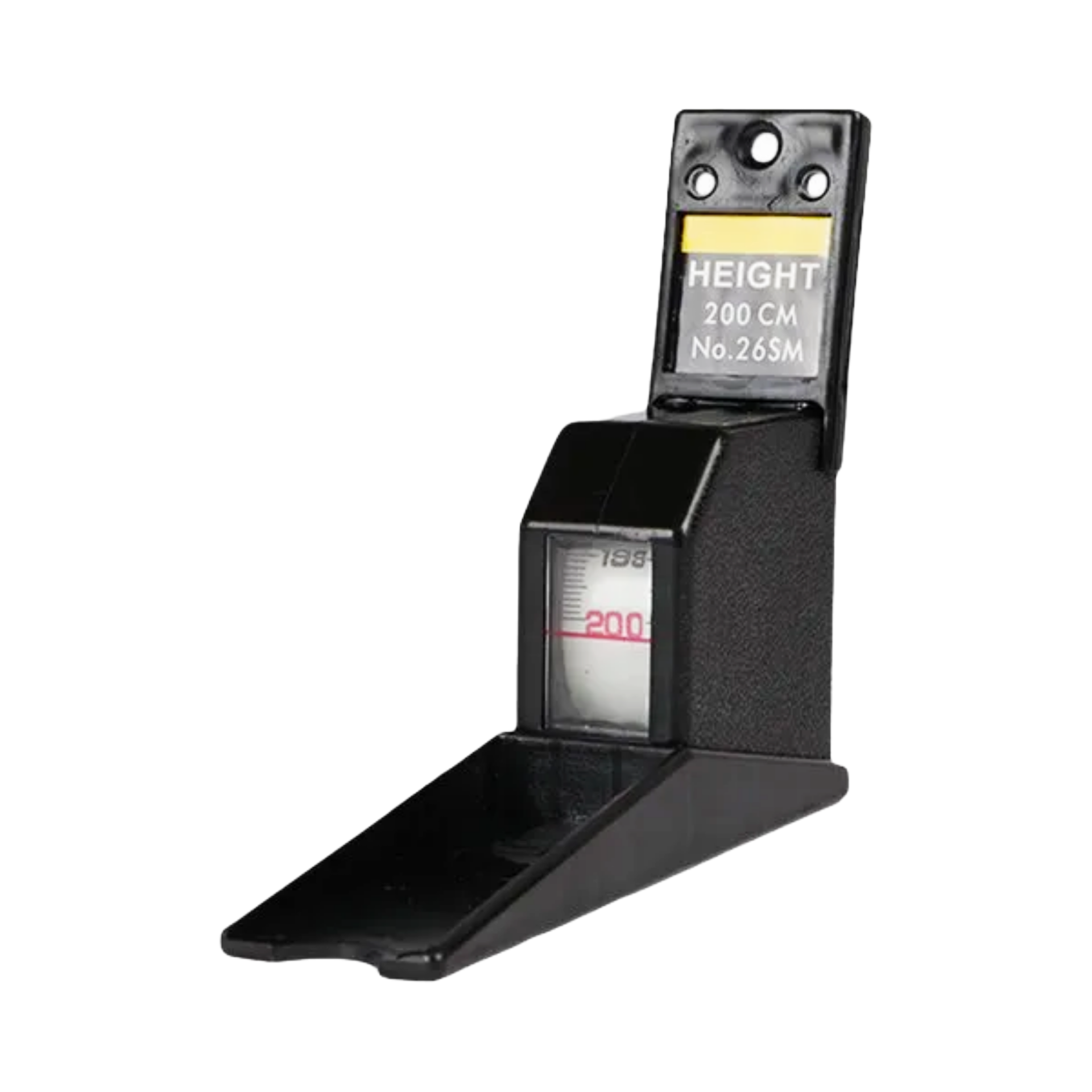
A stature meter, also known as a stadiometer, is a medical device specifically designed for accurately measuring human height. It typically consists of a vertical ruler with a sliding headpiece that can be lowered to rest on the crown of the head, ensuring a precise measurement from the base to the top. These devices are crucial in various clinical and public health settings for monitoring growth in children, assessing nutritional status, and calculating body mass index (BMI) in adults. Accuracy is paramount, as even small discrepancies can impact diagnostic interpretations, particularly in pediatric growth charts.
Stature meters are commonly found in clinics, hospitals, schools, and research facilities. They are often wall-mounted or integrated into weighing scales for combined height and weight measurements. The construction typically involves durable materials to withstand frequent use and ensure stability during measurement. Proper technique, including ensuring the patient stands straight with heels, buttocks, and shoulders against the backboard, and the head in the Frankfort plane, is essential for obtaining reliable results. Regular calibration and maintenance are also important to preserve accuracy over time.
Uses
- Accurate measurement of patient height.
- Monitoring growth and development in children.
- Assessing nutritional status and calculating BMI.
- Clinical research and epidemiological studies.
Directions For Use
Position the patient against the meter with heels, buttocks, and shoulders touching the backboard. Lower the headpiece gently to the crown of the head, ensuring the head is in the Frankfort plane, and read the measurement.
Benefits
- Provides precise height measurements.
- Essential for pediatric growth monitoring.
- Aids in accurate BMI calculation.
- Durable and long-lasting construction.
- Easy to read and interpret.
- Supports comprehensive health assessments.
Side Effects
- Minor discomfort from standing still.
- Inaccurate readings due to poor posture.
- Risk of falling if not properly supported (rare).
- Skin irritation from contact with device (rare).
- Allergic reaction to materials (very rare).
- Misinterpretation of data if technique is flawed.
- Pressure marks from headpiece (minimal).
- Difficulty for patients with mobility issues.
- Damage to device from improper handling.
- Fading of measurement markings over time.
- Slight anxiety in young children.
- Requires patient cooperation for accuracy.
Safety Measures
- Alcohol - Use alcohol wipes for cleaning the measuring surfaces between patients to maintain hygiene.
- Pregnancy - Safe for use on pregnant individuals; no known contraindications.
- Breastfeeding - Safe for use on breastfeeding individuals; no known contraindications.
- Liver - No direct impact on liver function; ensures proper hygiene in clinical settings.
- Kidney - No direct impact on kidney function; ensures proper hygiene in clinical settings.
- Lung - No direct impact on lung function; ensures proper patient positioning for accurate measurement.
Disclaimer
MedEHub is committed to delivering reliable, expert-reviewd information to help consumers make informed health decisions. However, the content provided on this website is for informational purposes only and is not intended to replace professional medical advice, diagnosis or treatment.
Always consult your doctor for any medical concerns, and discuss your questions about health conditions or medications with a qualified healthcare professional. Do not ignore or delay seeking professional medical advice based on information found on Med E Hub.
Our goal is to complement, not replace, the essential doctor-patient relationship.
| Shipping Cost |
|
| Shop Location | Assam, India |










No comments found for this product. Be the first to comment!