

About
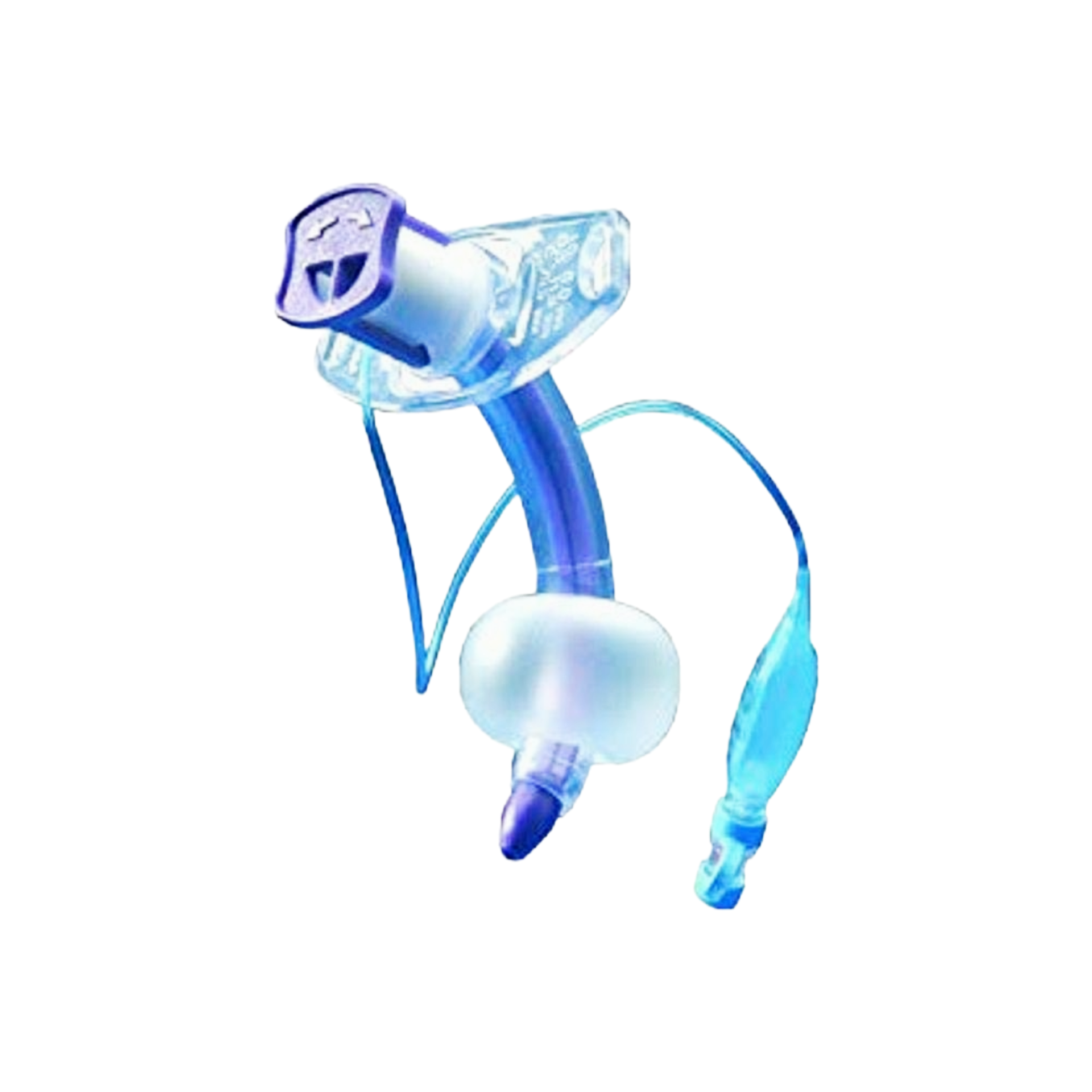
A cuffed tracheostomy tube is a specialized medical device designed for insertion into a surgically created opening in the trachea to establish a secure airway. The distinguishing feature of a cuffed tube is an inflatable balloon (cuff) located at its distal end. When inflated, this cuff seals the trachea around the tube, preventing air leakage during positive pressure ventilation and protecting the lower airway from aspiration of oral or gastric secretions. This makes cuffed tubes indispensable for patients requiring mechanical ventilation, those at high risk of aspiration, or individuals needing a completely sealed airway for specific medical procedures.
These tubes are typically constructed from biocompatible materials such as silicone or PVC, offering flexibility and patient comfort. They are available in various sizes and configurations to suit diverse patient populations, from pediatric to adult. Proper cuff inflation pressure management is critical to prevent tracheal wall injury while ensuring an effective seal. Regular assessment and care are vital to prevent complications such as infection, pressure necrosis, and tube occlusion.
Uses
- Providing a secure airway for mechanical ventilation.
- Protecting the lower airway from aspiration.
- Managing copious tracheobronchial secretions.
- Facilitating airway management in emergency situations.
Directions For Use
Inserted by a trained medical professional. Inflate cuff to minimal occluding volume. Monitor cuff pressure regularly. Follow institutional protocols for care.
Benefits
- Ensures a sealed airway for ventilation.
- Provides aspiration protection.
- Facilitates effective secretion removal.
- Secure airway for critical care patients.
- Available in various sizes.
- Supports positive pressure ventilation.
Side Effects
- Tracheal wall injury (from over-inflation)
- Tracheal stenosis
- Stoma infection
- Granuloma formation
- Tube occlusion
- Accidental decannulation
- Bleeding at the stoma site
- Pneumothorax (during insertion)
- Subcutaneous emphysema
- Dysphagia
- Speech difficulties
- Discomfort or pain
Safety Measures
- Alcohol - Not directly applicable to the device itself. Ensure alcohol-based skin prep is dry before stoma dressing.
- Pregnancy - Use is determined by the underlying medical need for airway management; the device itself poses no direct risk to pregnancy.
- Breastfeeding - Use is determined by the underlying medical need for airway management; the device itself poses no direct risk to breastfeeding.
- Liver - No direct contraindications; use is based on respiratory needs, not liver function.
- Kidney - No direct contraindications; use is based on respiratory needs, not kidney function.
- Lung - Crucial for patients with severe lung conditions requiring mechanical ventilation; careful monitoring of respiratory parameters and cuff pressure is essential.
Disclaimer
MedEHub is committed to delivering reliable, expert-reviewd information to help consumers make informed health decisions. However, the content provided on this website is for informational purposes only and is not intended to replace professional medical advice, diagnosis or treatment.
Always consult your doctor for any medical concerns, and discuss your questions about health conditions or medications with a qualified healthcare professional. Do not ignore or delay seeking professional medical advice based on information found on Med E Hub.
Our goal is to complement, not replace, the essential doctor-patient relationship.
| Shipping Cost |
|
| Shop Location | Assam, India |











No comments found for this product. Be the first to comment!