

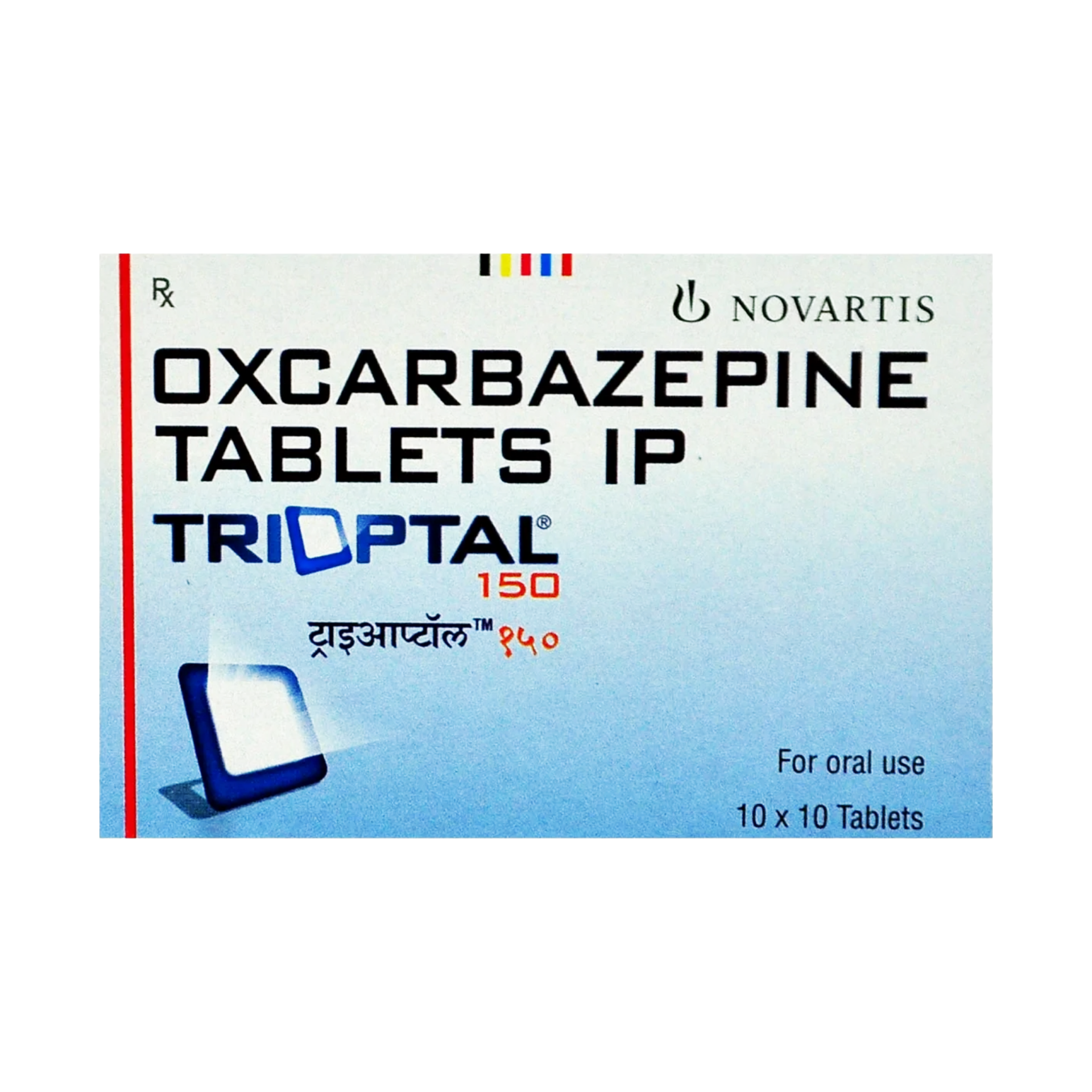
About
Oxcarbazepine is an anticonvulsant medication primarily utilized in the management of epilepsy, specifically for partial-onset seizures with or without secondary generalization. It functions as a prodrug that is rapidly metabolized to its active form, 10-monohydroxy derivative (MHD). The therapeutic action of oxcarbazepine involves the blockade of voltage-sensitive sodium channels in neuronal membranes. This mechanism stabilizes hyperexcited neurons, inhibits repetitive neuronal firing, and consequently reduces the propagation of synaptic impulses, thereby preventing and controlling seizure activity. It is considered a valuable option for both monotherapy in newly diagnosed patients and as adjunctive therapy for those with refractory partial seizures, often presenting a more favorable side effect profile compared to its structural analogue, carbamazepine, due to differences in metabolism.
Uses
- Treatment of partial-onset seizures.
- Monotherapy for newly diagnosed epilepsy.
- Adjunctive therapy for refractory partial seizures.
- Management of generalized tonic-clonic seizures in some cases.
Directions For Use
Take this medication orally as directed by your physician, usually twice daily, with or without food. Do not crush or chew the tablet; swallow it whole.
Benefits
- Effective in controlling various seizure types.
- Can be used as monotherapy or adjunctive therapy.
- Generally well-tolerated compared to some older anticonvulsants.
- Available in different strengths for flexible dosing.
- Helps improve quality of life for epilepsy patients.
- May have fewer drug interactions than carbamazepine.
Side Effects
- Dizziness
- Drowsiness
- Nausea
- Vomiting
- Headache
- Double vision (diplopia)
- Blurred vision
- Fatigue
- Tremor
- Hyponatremia (low sodium levels)
- Skin rash
- Difficulty with coordination
Safety Measures
- Alcohol - Avoid alcohol consumption as it can increase central nervous system side effects like dizziness and drowsiness, and may exacerbate seizure risk.
- Pregnancy - Consult a doctor. Oxcarbazepine may pose risks to the fetus; benefits versus risks should be carefully weighed. Alternative treatments may be considered.
- Breastfeeding - Consult a doctor. Oxcarbazepine passes into breast milk; monitor the infant for drowsiness or feeding difficulties.
- Liver - Use with caution in patients with liver impairment. Dosage adjustments may be necessary, and liver function should be monitored.
- Kidney - Use with caution in patients with kidney impairment. Dosage reduction is typically required, especially in severe renal dysfunction.
- Lung - Generally safe for use in patients with lung conditions, but monitor for any respiratory depression if used with other CNS depressants.
Disclaimer
MedEHub is committed to delivering reliable, expert-reviewd information to help consumers make informed health decisions. However, the content provided on this website is for informational purposes only and is not intended to replace professional medical advice, diagnosis or treatment.
Always consult your doctor for any medical concerns, and discuss your questions about health conditions or medications with a qualified healthcare professional. Do not ignore or delay seeking professional medical advice based on information found on Med E Hub.
Our goal is to complement, not replace, the essential doctor-patient relationship.
| Shipping Cost |
|
| Shop Location | Assam, India |















No comments found for this product. Be the first to comment!