

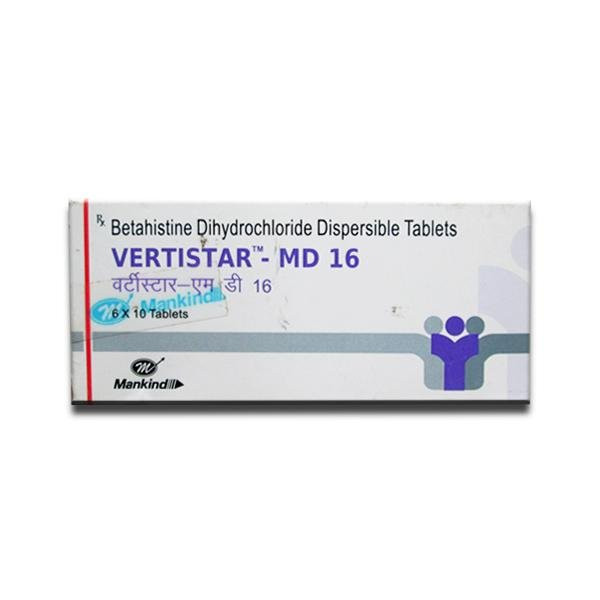
About
Betahistine is a synthetic analogue of histamine, primarily indicated for the symptomatic treatment of Meniere's disease, a disorder of the inner ear characterized by episodes of severe vertigo, tinnitus, fluctuating hearing loss, and a sensation of fullness in the ear. Its therapeutic action is believed to stem from its dual effect as a weak H1-receptor agonist and a potent H3-receptor antagonist. This pharmacological profile leads to improved microcirculation in the inner ear, particularly in the stria vascularis, which helps to reduce endolymphatic pressure. Furthermore, Betahistine modulates neurotransmitter release in the vestibular nuclei, thereby enhancing central vestibular compensation. This combined mechanism helps to alleviate the debilitating symptoms associated with vestibular disorders, restoring balance and reducing the frequency and intensity of vertigo attacks. Clinical studies suggest its efficacy in reducing the number and severity of vertigo episodes, contributing significantly to an improved quality of life for affected individuals.
Uses
- Treatment of Meniere's disease.
- Relief from vertigo episodes.
- Management of tinnitus associated with inner ear disorders.
- Improvement of hearing loss linked to Meniere's.
Directions For Use
Take as directed by your physician, usually with or after meals to minimize gastric discomfort. Do not crush or chew the tablet if it's not an MD formulation.
Benefits
- Reduces frequency and severity of vertigo attacks.
- Alleviates symptoms of Meniere's disease.
- Improves inner ear blood circulation.
- Helps in managing tinnitus.
- May improve hearing in affected individuals.
- Generally well-tolerated with proper use.
Side Effects
- Nausea
- Indigestion
- Headache
- Drowsiness
- Skin rash
- Urticaria
- Abdominal pain
- Bloating
- Vomiting
- Heartburn
- Diarrhea
- Allergic reactions
Safety Measures
- Alcohol - Alcohol may exacerbate dizziness and drowsiness, potentially worsening the side effects of Betahistine. It is generally advisable to limit or avoid alcohol consumption.
- Pregnancy - Betahistine is generally not recommended during pregnancy unless clearly necessary and the potential benefits outweigh the risks. Consult a doctor.
- Breastfeeding - It is unknown if Betahistine passes into breast milk. Caution is advised, and a doctor's consultation is recommended before use during breastfeeding.
- Liver - Use with caution in patients with liver impairment. Dose adjustments may be necessary, and liver function should be monitored.
- Kidney - Use with caution in patients with kidney impairment. Dose adjustments may be necessary, and kidney function should be monitored.
- Lung - Betahistine should be used with caution in patients with bronchial asthma due to its histamine-like effects, which could potentially worsen respiratory symptoms.
Disclaimer
MedEHub is committed to delivering reliable, expert-reviewd information to help consumers make informed health decisions. However, the content provided on this website is for informational purposes only and is not intended to replace professional medical advice, diagnosis or treatment.
Always consult your doctor for any medical concerns, and discuss your questions about health conditions or medications with a qualified healthcare professional. Do not ignore or delay seeking professional medical advice based on information found on Med E Hub.
Our goal is to complement, not replace, the essential doctor-patient relationship.
| Shipping Cost |
|
| Shop Location | Assam, India |







No comments found for this product. Be the first to comment!