
About
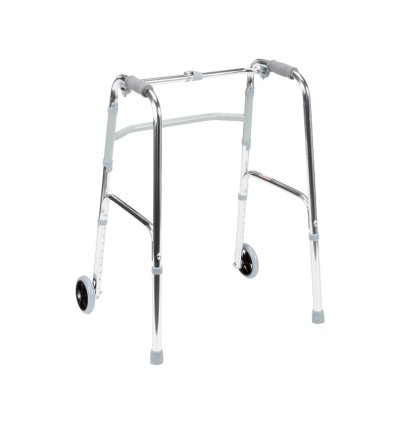
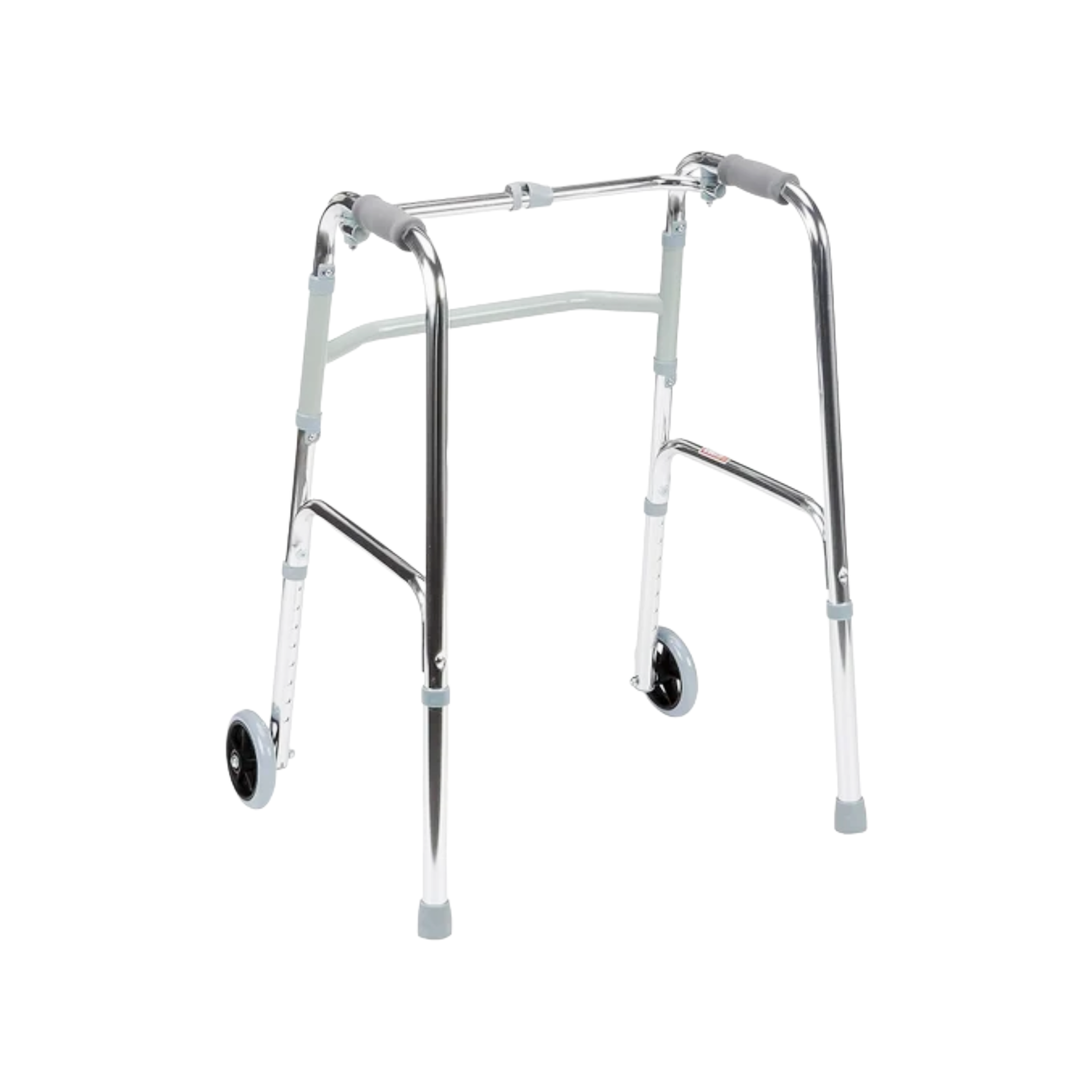
A walker, also known as a walking frame, represents a significant upgrade in stability compared to a walking stick, offering a broader and more secure base of support. This medical device typically features a lightweight metal frame with four legs, which may be fitted with wheels (rollators) or rubber ferrules, catering to varying levels of mobility and support needs. It is specifically designed to assist individuals with pronounced balance impairments, generalized weakness, or those undergoing rehabilitation following major surgeries such as hip or knee replacements. By enabling a more even distribution of body weight and providing substantial anterior and lateral support, walkers effectively reduce the risk of falls, facilitate safer independent ambulation, and significantly enhance a patient's confidence and functional independence during recovery and daily activities.
Uses
- Providing maximum stability during walking.
- Support for individuals with significant balance impairment.
- Rehabilitation after major surgery (e.g., hip, knee).
- Assistance for elderly with generalized weakness.
Directions For Use
Adjust height so handles are at wrist level when standing upright. Lift or roll the walker forward a short distance, then step into it.
Benefits
- Offers superior stability compared to a stick.
- Reduces fall risk significantly.
- Supports greater body weight.
- Enhances confidence in ambulation.
- Promotes independence.
- Available in various designs (e.g., wheeled, folding).
Side Effects
- Incorrect posture if improperly fitted.
- Shoulder or wrist strain from overuse.
- Blisters or calluses on hands.
- Increased fall risk if used incorrectly.
- Dependence on the aid.
- Difficulty navigating narrow spaces.
- Tripping hazard if not managed well.
- Reduced natural gait pattern.
- Muscle fatigue from improper technique.
- Skin irritation from handle material.
- Damage to flooring surfaces.
- Can be cumbersome to transport.
Safety Measures
- Alcohol - No direct medical interaction. Alcohol consumption impairs judgment and coordination, significantly increasing fall risk when using a walker.
- Pregnancy - Safe to use for support during pregnancy, especially if experiencing severe balance issues or pelvic pain. Consult a doctor for proper assessment.
- Breastfeeding - Safe to use. No direct medical interaction with breastfeeding.
- Liver - No direct medical interaction. Liver conditions do not typically affect the use of a walker.
- Kidney - No direct medical interaction. Kidney conditions do not typically affect the use of a walker.
- Lung - No direct medical interaction. Lung conditions do not typically affect the use of a walker, but severe respiratory distress may limit ambulation.
Disclaimer
MedEHub is committed to delivering reliable, expert-reviewd information to help consumers make informed health decisions. However, the content provided on this website is for informational purposes only and is not intended to replace professional medical advice, diagnosis or treatment.
Always consult your doctor for any medical concerns, and discuss your questions about health conditions or medications with a qualified healthcare professional. Do not ignore or delay seeking professional medical advice based on information found on Med E Hub.
Our goal is to complement, not replace, the essential doctor-patient relationship.
| Shipping Cost |
|
| Shop Location | Assam, India |











No comments found for this product. Be the first to comment!