


About
A wrist and forearm splint is an orthopedic device designed to provide comprehensive support and immobilization to both the wrist joint and a significant portion of the forearm. Unlike a standard wrist splint, its extended length ensures greater stability and control over movements that originate from the forearm, which can impact wrist positioning. This type of splint is crucial for conditions requiring more extensive immobilization, such as moderate to severe forearm fractures, complex wrist injuries, post-surgical stabilization of the distal radius or ulna, or severe tendonitis affecting both the wrist and forearm muscles. It aims to reduce pain, minimize swelling, and promote optimal healing by preventing unwanted rotation and flexion/extension of both the wrist and forearm, thereby protecting the injured structures from further trauma and facilitating a controlled recovery.
Uses
- Stabilization of forearm fractures.
- Severe wrist and forearm sprains.
- Post-operative immobilization of wrist/forearm.
- Management of complex tendonitis.
Directions For Use
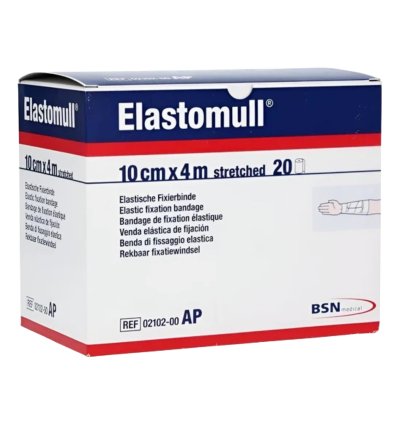
Position the splint along the forearm and wrist, ensuring proper alignment. Secure all straps firmly but without excessive tightness.
Benefits
- Provides extensive wrist and forearm support.
- Offers superior immobilization for severe injuries.
- Reduces pain and inflammation effectively.
- Promotes optimal healing of complex injuries.
- Prevents unwanted rotation and movement.
- Protects against further injury or re-trauma.
Side Effects
- Skin irritation or chafing.
- Discomfort from prolonged wear.
- Significant restriction of arm movement.
- Potential for muscle weakness/atrophy.
- Impaired circulation if too tight.
- Nerve compression symptoms (numbness).
- Allergic reaction to materials.
- Difficulty with personal hygiene.
- Increased perspiration under splint.
- Joint stiffness in elbow/fingers.
- Pressure sores in bony areas.
- Impact on daily activities.
Safety Measures
- Alcohol - Not directly applicable to the device, but alcohol consumption can impair judgment regarding proper use, care, and pain management for the underlying injury.
- Pregnancy - Generally safe. Ensure the splint is fitted comfortably and does not cause excessive pressure or restrict circulation, especially with potential pregnancy-related swelling.
- Breastfeeding - Safe for use as it is an external support device with no systemic effects.
- Liver - No direct contraindication.
- Kidney - No direct contraindication.
- Lung - No direct contraindication.
Disclaimer
MedEHub is committed to delivering reliable, expert-reviewd information to help consumers make informed health decisions. However, the content provided on this website is for informational purposes only and is not intended to replace professional medical advice, diagnosis or treatment.
Always consult your doctor for any medical concerns, and discuss your questions about health conditions or medications with a qualified healthcare professional. Do not ignore or delay seeking professional medical advice based on information found on Med E Hub.
Our goal is to complement, not replace, the essential doctor-patient relationship.
| Shipping Cost |
|
| Shop Location | Assam, India |







No comments found for this product. Be the first to comment!