

About
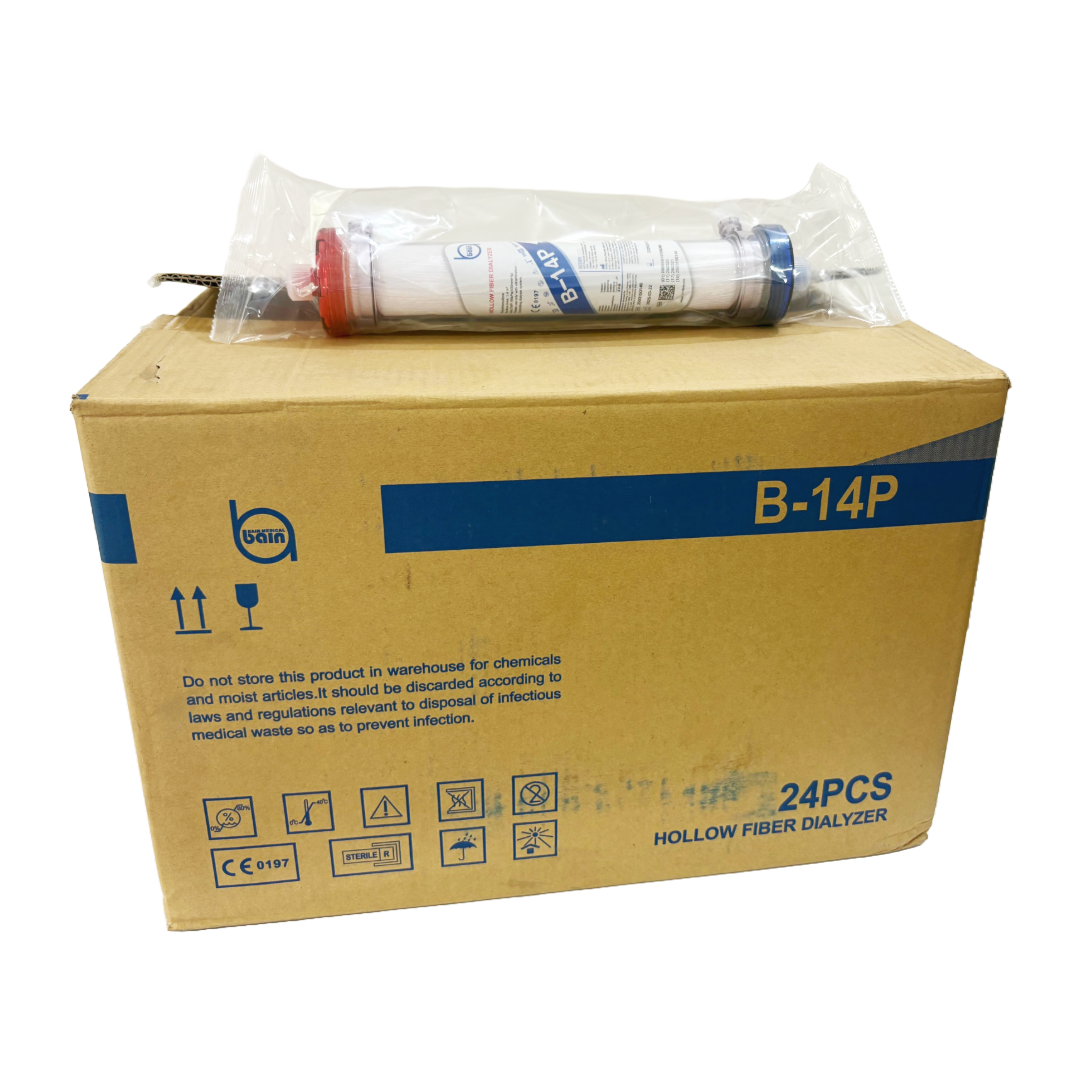
A dialyzer, commonly known as an artificial kidney, is a crucial medical device central to hemodialysis, a life-sustaining treatment for patients with kidney failure. The Dora B-14P Dialyzer, for instance, is engineered with a semi-permeable membrane, typically composed of advanced synthetic materials like polysulfone or polyethersulfone. This membrane facilitates the efficient removal of metabolic waste products, such as urea, creatinine, and excess electrolytes, from the patient's blood. Simultaneously, it allows for precise ultrafiltration, removing surplus fluid, while retaining essential blood cells and proteins. The dialyzer's design optimizes surface area and blood flow dynamics to maximize clearance rates, effectively mimicking the filtration function of healthy kidneys. This process helps to restore biochemical balance and improve the overall health and quality of life for individuals suffering from end-stage renal disease or acute kidney injury.
Uses
- Treatment of end-stage renal disease (ESRD).
- Acute kidney injury (AKI) requiring renal replacement therapy.
- Removal of certain toxins or drugs from the blood.
- Management of fluid overload unresponsive to diuretics.
Directions For Use
Used by trained healthcare professionals in a clinical setting for hemodialysis. Follow manufacturer's instructions and clinical protocols.
Benefits
- Efficient removal of uremic toxins.
- Effective fluid management.
- Helps restore electrolyte balance.
- Improves patient survival and quality of life in ESRD.
- Biocompatible membrane materials reduce adverse reactions.
- Available in various sizes and configurations for patient needs.
Side Effects
- Hypotension (low blood pressure)
- Muscle cramps
- Nausea and vomiting
- Headache
- Fatigue
- Itching
- Dialysis disequilibrium syndrome (rare)
- Allergic reactions to membrane materials
- Blood loss
- Infection at access site
- Air embolism (rare)
- Hemolysis (rare)
Safety Measures
- Alcohol - Not directly applicable to the device itself. Patients undergoing dialysis should discuss alcohol intake with their physician.
- Pregnancy - Dialysis during pregnancy requires careful management by a nephrologist and obstetrician to ensure maternal and fetal well-being.
- Breastfeeding - Not directly applicable to the device. Breastfeeding while on dialysis should be discussed with a healthcare provider.
- Liver - Patients with liver conditions undergoing dialysis require careful monitoring of fluid and electrolyte balance, and potential drug metabolism issues.
- Kidney - The device is specifically for patients with kidney failure; proper prescription and monitoring are crucial for effective and safe treatment.
- Lung - Patients with lung conditions may experience fluid shifts during dialysis; close monitoring of respiratory status is essential.
Disclaimer
MedEHub is committed to delivering reliable, expert-reviewd information to help consumers make informed health decisions. However, the content provided on this website is for informational purposes only and is not intended to replace professional medical advice, diagnosis or treatment.
Always consult your doctor for any medical concerns, and discuss your questions about health conditions or medications with a qualified healthcare professional. Do not ignore or delay seeking professional medical advice based on information found on Med E Hub.
Our goal is to complement, not replace, the essential doctor-patient relationship.
| Shipping Cost |
|
| Shop Location | Assam, India |












No comments found for this product. Be the first to comment!