

About
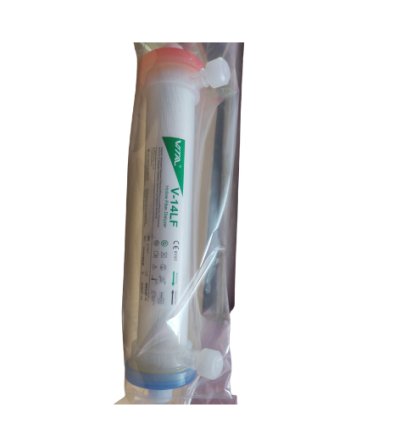
The Vital 14LF Dialyser is a critical component in hemodialysis therapy, designed to effectively filter blood for patients experiencing kidney failure. This artificial kidney utilizes a semi-permeable membrane to facilitate the removal of metabolic waste products, excess electrolytes, and surplus fluid from the bloodstream. Blood flows through one compartment of the dialyser, while a specially formulated dialysate solution flows in the opposite direction on the other side of the membrane. This counter-current flow maximizes the efficiency of diffusion and ultrafiltration processes.
The advanced membrane technology within the Vital 14LF Dialyser ensures optimal solute clearance while minimizing protein loss and maintaining biocompatibility. It is engineered to provide a controlled and efficient exchange, mimicking the natural filtration function of healthy kidneys. This device is indispensable for patients with end-stage renal disease (ESRD) or acute kidney injury (AKI) requiring renal replacement therapy, playing a vital role in maintaining fluid and electrolyte balance and removing uremic toxins to improve patient outcomes and quality of life.
Uses
- Treatment of end-stage renal disease (ESRD).
- Management of acute kidney injury (AKI).
- Removal of uremic toxins from the blood.
- Correction of fluid and electrolyte imbalances.
Directions For Use
To be used by trained medical professionals in a clinical setting. Follow manufacturer's instructions and institutional protocols for setup and operation.
Benefits
- Efficient removal of uremic toxins.
- Effective fluid volume control.
- Maintains electrolyte balance.
- Biocompatible membrane material.
- Reliable performance in dialysis.
- Improved patient quality of life.
Side Effects
- Hypotension (low blood pressure).
- Muscle cramps.
- Nausea and vomiting.
- Headache.
- Fatigue.
- Itching.
- Chest pain.
- Back pain.
- Allergic reactions (rare).
- Blood loss.
- Infection at access site.
- Air embolism (very rare).
Safety Measures
- Alcohol - Patients undergoing dialysis should discuss alcohol consumption with their physician, as it can impact fluid balance and overall health.
- Pregnancy - Hemodialysis during pregnancy requires careful management by a specialized medical team to ensure maternal and fetal well-being.
- Breastfeeding - Hemodialysis does not typically contraindicate breastfeeding, but the overall health and nutritional status of the mother should be monitored. Consult with a healthcare provider.
- Liver - Patients with co-existing liver conditions undergoing dialysis require careful monitoring of fluid status, electrolyte balance, and potential bleeding risks.
- Kidney - This device is specifically for patients with kidney failure; its use is central to their treatment. Regular monitoring of dialysis adequacy is crucial.
- Lung - Patients with underlying lung conditions may require careful monitoring during dialysis for fluid overload or respiratory distress.
Disclaimer
MedEHub is committed to delivering reliable, expert-reviewd information to help consumers make informed health decisions. However, the content provided on this website is for informational purposes only and is not intended to replace professional medical advice, diagnosis or treatment.
Always consult your doctor for any medical concerns, and discuss your questions about health conditions or medications with a qualified healthcare professional. Do not ignore or delay seeking professional medical advice based on information found on Med E Hub.
Our goal is to complement, not replace, the essential doctor-patient relationship.
| Shipping Cost |
|
| Shop Location | Assam, India |














No comments found for this product. Be the first to comment!