

About
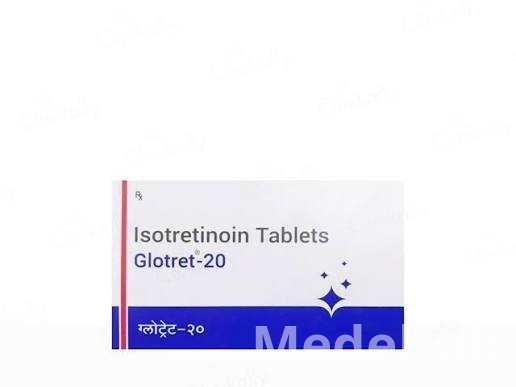
Isotretinoin is a powerful retinoid, a derivative of vitamin A, primarily indicated for the treatment of severe, recalcitrant nodular acne (cystic acne) that has not responded to conventional therapies, including oral antibiotics and topical treatments. Its profound efficacy stems from its multifaceted mechanism of action: it significantly reduces the size and activity of sebaceous glands, leading to a dramatic decrease in sebum production, a key factor in acne pathogenesis. Additionally, isotretinoin possesses anti-inflammatory properties and normalizes follicular keratinization, preventing the formation of comedones and subsequent inflammatory lesions.
Due to its potent effects and the potential for significant and serious side effects, particularly severe teratogenicity (causing severe birth defects), isotretinoin treatment requires strict medical supervision. Patients, especially women of childbearing potential, must adhere to rigorous risk management programs, including mandatory pregnancy testing and the use of two effective forms of contraception. Despite its side effect profile, isotretinoin remains one of the most effective treatments for severe acne, often leading to long-term remission and preventing permanent scarring.
Uses
- Treatment of severe nodular acne (cystic acne)
- Management of acne unresponsive to conventional therapies
- Treatment of acne conglobata
- Treatment of acne with a risk of permanent scarring
Directions For Use
Take orally, usually once or twice daily with food, as directed by your dermatologist. Swallow whole, do not chew or crush.
Benefits
- Highly effective for severe, recalcitrant acne.
- Can lead to long-term remission of acne.
- Reduces sebum production significantly.
- Decreases inflammation and comedone formation.
- Prevents severe scarring from acne.
- Improves skin texture and appearance.
Side Effects
- Dry skin, lips, and eyes
- Nosebleeds (epistaxis)
- Joint and muscle pain
- Headache
- Increased sensitivity to sunlight
- Hair thinning (reversible)
- Elevated liver enzymes
- Elevated triglycerides
- Mood changes, depression (rare but serious)
- Inflammatory bowel disease (rare)
- Pseudotumor cerebri (rare)
- Teratogenicity (severe birth defects)
Safety Measures
- Alcohol - Avoid or limit alcohol consumption as isotretinoin can increase liver enzyme levels, and alcohol may exacerbate this effect.
- Pregnancy - ABSOLUTELY CONTRAINDICATED in pregnancy due to severe teratogenicity. Women of childbearing potential must use two forms of effective contraception.
- Breastfeeding - Isotretinoin is highly lipophilic and likely excreted in breast milk. Breastfeeding is contraindicated during treatment.
- Liver - Regular monitoring of liver function tests is essential due to the risk of hepatotoxicity. Use with extreme caution in liver disease.
- Kidney - Use with caution in patients with renal impairment; lower doses may be required.
- Lung - No specific contraindications or precautions related to lung conditions are typically noted for isotretinoin.
Disclaimer
MedEHub is committed to delivering reliable, expert-reviewd information to help consumers make informed health decisions. However, the content provided on this website is for informational purposes only and is not intended to replace professional medical advice, diagnosis or treatment.
Always consult your doctor for any medical concerns, and discuss your questions about health conditions or medications with a qualified healthcare professional. Do not ignore or delay seeking professional medical advice based on information found on Med E Hub.
Our goal is to complement, not replace, the essential doctor-patient relationship.
| Shipping Cost |
|
| Shop Location | Assam, India |



No comments found for this product. Be the first to comment!