


About
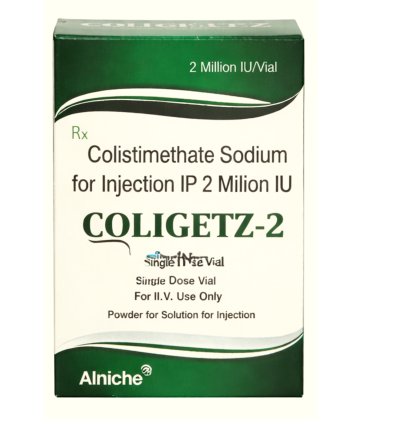
Hopstin (Colistin) is a polymyxin antibiotic primarily used for the treatment of serious infections caused by multi-drug resistant Gram-negative bacteria, particularly those resistant to other classes of antibiotics. It acts as a cationic detergent, disrupting the integrity of the bacterial cell membrane, leading to leakage of intracellular contents and subsequent bacterial death. Colistin is often considered a last-resort antibiotic due to its potential for nephrotoxicity and neurotoxicity, but its efficacy against highly resistant pathogens like Pseudomonas aeruginosa, Acinetobacter baumannii, and Klebsiella pneumoniae makes it invaluable in critical care settings. Hopstin is typically administered intravenously or via inhalation for lung infections, providing targeted or systemic treatment for severe bacterial infections.
Uses
- Treatment of multi-drug resistant Gram-negative infections.
- Hospital-acquired pneumonia.
- Ventilator-associated pneumonia.
- Complicated urinary tract infections.
Directions For Use
Administer intravenously or via inhalation as directed by a healthcare professional. Dosage is highly individualized based on patient weight, renal function, and infection severity.
Benefits
- Effective against highly resistant Gram-negative bacteria.
- Crucial for treating "last-resort" infections.
- Available for intravenous and inhaled administration.
- Can be life-saving in critical situations.
- Broad coverage against problematic pathogens.
- Established efficacy in severe infections.
Side Effects
- Nephrotoxicity (kidney damage)
- Neurotoxicity (dizziness, paresthesia, vertigo)
- Acute tubular necrosis
- Respiratory distress (with inhaled form)
- Bronchospasm (with inhaled form)
- Rash
- Fever
- Nausea
- Vomiting
- Diarrhea
- Muscle weakness
- Apnea (rare, high doses)
Safety Measures
- Alcohol - Avoid alcohol during treatment as it may exacerbate potential neurotoxic side effects and increase the burden on the kidneys.
- Pregnancy - Use during pregnancy is generally not recommended due to potential fetal toxicity. Only use if the benefits clearly outweigh the risks.
- Breastfeeding - Colistin is excreted in breast milk. Breastfeeding is generally not recommended due to potential for infant toxicity.
- Liver - Use with caution in patients with liver conditions, though primary metabolism is renal. Monitor liver function if concerns arise.
- Kidney - Extreme caution and significant dose adjustment are required in patients with any degree of renal impairment due to high risk of nephrotoxicity.
- Lung - Inhaled colistin can cause bronchospasm; monitor respiratory function closely, especially in patients with asthma or COPD.
Disclaimer
MedEHub is committed to delivering reliable, expert-reviewd information to help consumers make informed health decisions. However, the content provided on this website is for informational purposes only and is not intended to replace professional medical advice, diagnosis or treatment.
Always consult your doctor for any medical concerns, and discuss your questions about health conditions or medications with a qualified healthcare professional. Do not ignore or delay seeking professional medical advice based on information found on Med E Hub.
Our goal is to complement, not replace, the essential doctor-patient relationship.
| Shipping Cost |
|
| Shop Location | Assam, India |








No comments found for this product. Be the first to comment!