
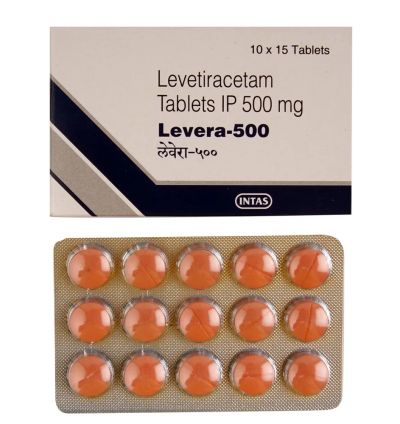
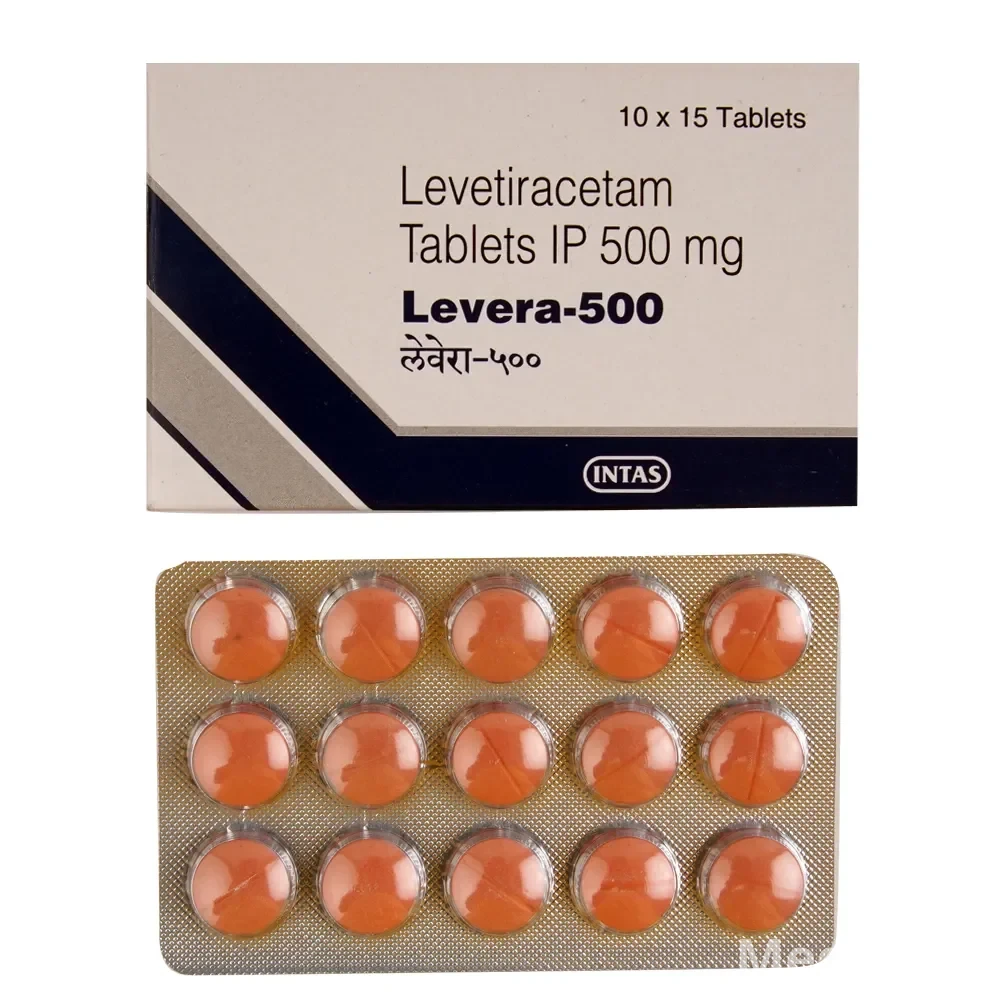
About
Levetiracetam is an antiepileptic drug (AED) primarily used in the management of various seizure types. Its precise mechanism of action is not fully understood but is believed to involve binding to the synaptic vesicle protein 2A (SV2A) in the brain, which modulates neurotransmitter release and helps to stabilize neuronal hyperexcitability. This action contributes to its broad-spectrum efficacy in controlling seizures without significantly affecting normal neuronal function.
It is often prescribed as an adjunctive therapy for adults and children with partial-onset seizures, myoclonic seizures in patients with juvenile myoclonic epilepsy, and primary generalized tonic-clonic seizures. Levetiracetam is known for its favorable pharmacokinetic profile, including rapid absorption, linear kinetics, and minimal metabolism via the cytochrome P450 system, which reduces the potential for drug-drug interactions compared to many other AEDs.
Uses
- Adjunctive therapy for partial-onset seizures.
- Treatment of myoclonic seizures in juvenile myoclonic epilepsy.
- Adjunctive therapy for primary generalized tonic-clonic seizures.
- Monotherapy for partial-onset seizures in certain patients.
Directions For Use
Take this medication exactly as prescribed by your doctor, with or without food. Do not stop taking it suddenly without consulting your physician.
Benefits
- Effective in controlling a wide range of seizure types.
- Generally well-tolerated with a favorable safety profile.
- Minimal drug-drug interactions due to unique metabolism.
- Available in various formulations for flexible dosing.
- Can improve quality of life by reducing seizure frequency.
- Rapid onset of action in some patients.
Side Effects
- Drowsiness
- Dizziness
- Fatigue
- Headache
- Irritability
- Aggression
- Nausea
- Diarrhea
- Loss of appetite
- Weakness
- Tremor
- Behavioral changes
Safety Measures
- Alcohol - Concomitant use with alcohol may increase central nervous system (CNS) depressant effects such as drowsiness and dizziness. It is generally advisable to limit or avoid alcohol.
- Pregnancy - Levetiracetam should be used during pregnancy only if the potential benefit justifies the potential risk to the fetus. Consult your doctor to discuss risks and benefits.
- Breastfeeding - Levetiracetam is excreted into human breast milk. Consult your doctor before breastfeeding, and monitor the infant for potential side effects like drowsiness.
- Liver - No specific dose adjustment is typically required for mild to moderate hepatic impairment, but caution is advised. Consult your doctor.
- Kidney - Dose adjustment is necessary for patients with impaired renal function. Your doctor will determine the appropriate dosage based on kidney function tests.
- Lung - Generally, Levetiracetam does not directly affect lung function. However, if respiratory depression occurs as a rare side effect, medical attention is needed.
Disclaimer
MedEHub is committed to delivering reliable, expert-reviewd information to help consumers make informed health decisions. However, the content provided on this website is for informational purposes only and is not intended to replace professional medical advice, diagnosis or treatment.
Always consult your doctor for any medical concerns, and discuss your questions about health conditions or medications with a qualified healthcare professional. Do not ignore or delay seeking professional medical advice based on information found on Med E Hub.
Our goal is to complement, not replace, the essential doctor-patient relationship.
| Shipping Cost |
|
| Shop Location | Assam, India |













No comments found for this product. Be the first to comment!