
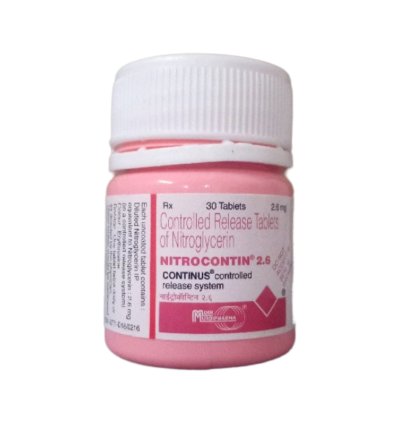
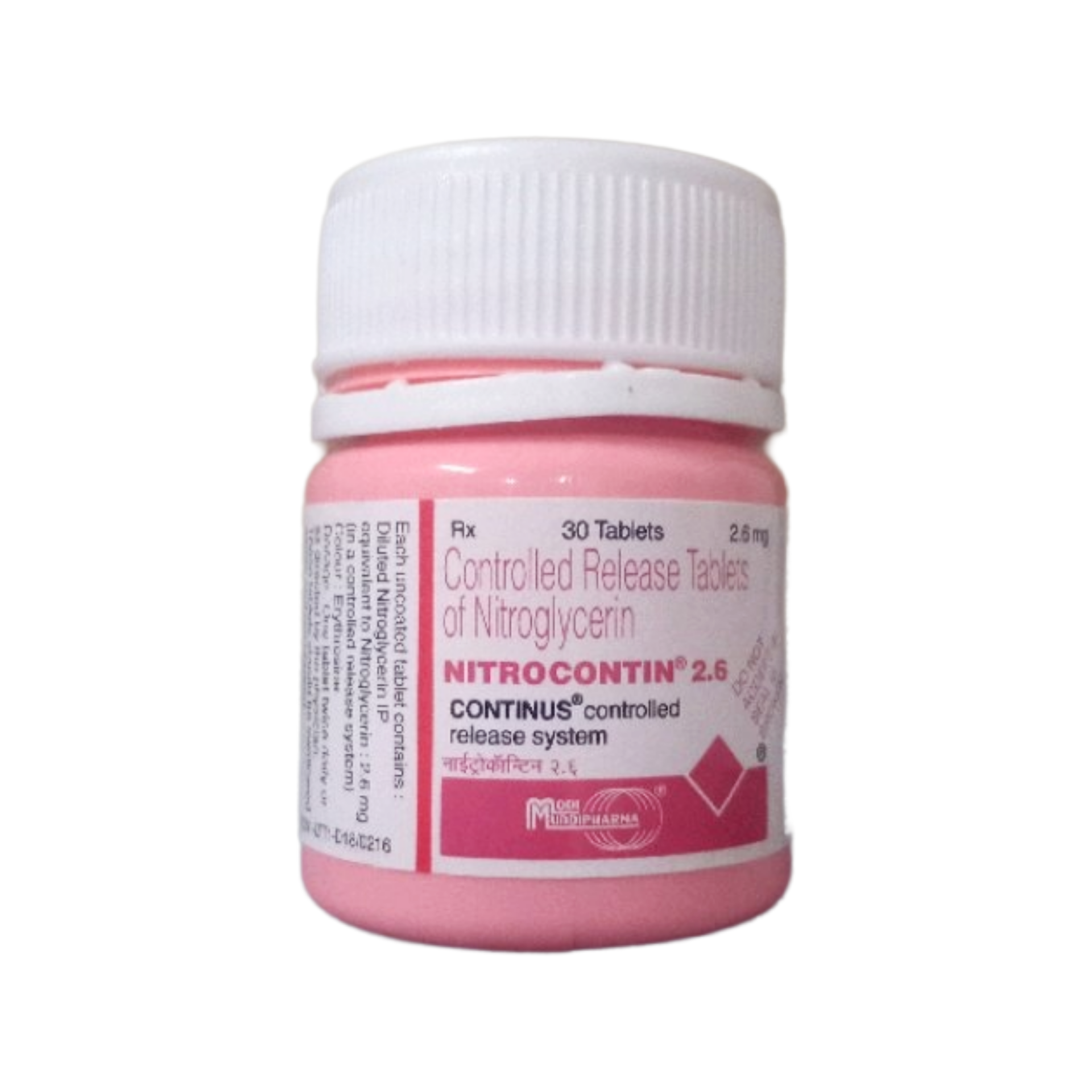
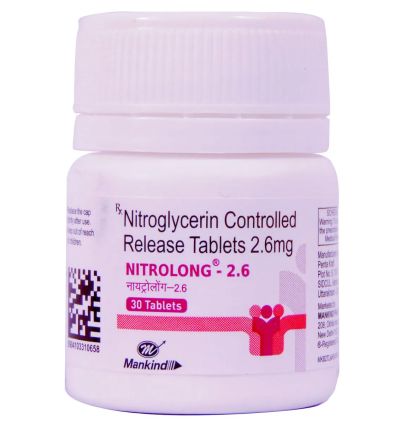
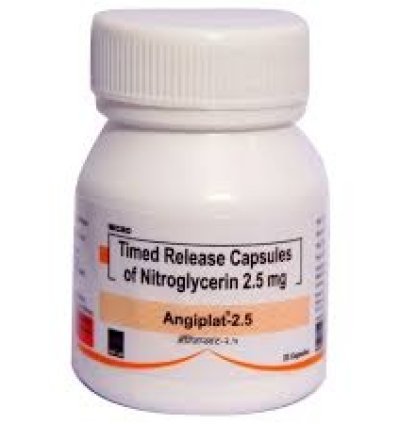
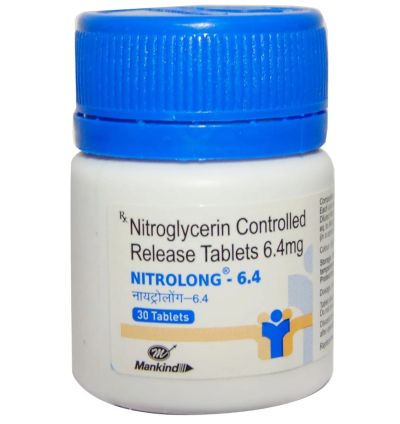
AboutNitroglycerin, also known as glyceryl trinitrate, is a potent and rapidly acting vasodilator belonging to the organic nitrate class of drugs. Its primary mechanism of action involves the enzymatic release of nitric oxide (NO) within vascular smooth muscle cells. This NO then stimulates guanylate cyclase, leading to an increase in intracellular cyclic guanosine monophosphate (cGMP) levels. Elevated cGMP subsequently triggers a cascade of events that result in the relaxation of smooth muscle, causing widespread vasodilation. The predominant effect is venodilation, which reduces venous return to the heart (preload), thereby decreasing ventricular filling pressures and myocardial wall tension. To a lesser extent, it also dilates systemic arteries, reducing systemic vascular resistance (afterload). The combined effect is a significant decrease in myocardial oxygen demand and an improvement in oxygen supply to ischemic areas of the heart, making nitroglycerin highly effective in the acute treatment and prophylaxis of angina pectoris, as well as in other ischemic heart conditions.UsesAcute relief of angina pectoris attacks.Prophylaxis of angina pectoris.Management of chronic stable angina.Adjunctive treatment in acute myocardial infarction.Directions For UsePlace under the tongue or in the buccal pouch and allow to dissolve. Do not chew or swallow. For sustained-release forms, swallow whole.BenefitsRapid relief of anginal chest pain.Prevents recurrent angina attacks.Improves exercise tolerance.Reduces cardiac workload.Enhances coronary blood flow.Effective in various forms of angina.Side EffectsHeadache (very common, "nitrate headache")DizzinessLightheadednessFlushing of face and neckNauseaVomitingPostural hypotensionPalpitationsWeaknessSyncopeTachycardiaRashSafety MeasuresAlcohol - Concomitant use with alcohol can significantly potentiate the hypotensive effects of nitroglycerin, leading to severe dizziness, fainting, and collapse. Avoid alcohol.Pregnancy - Use during pregnancy only if clearly indicated and the potential benefits outweigh the risks, as human data is limited and animal studies are not always predictive.Breastfeeding - It is unknown if nitroglycerin is excreted in human milk; caution is advised, and a physician should be consulted before use during breastfeeding.Liver - Use with caution in patients with severe liver impairment, as metabolism may be altered, potentially increasing drug levels and the risk of adverse effects.Kidney - Generally considered safe in patients with kidney conditions, but caution is advised in severe renal impairment due to potential accumulation of metabolites.Lung - Generally safe for use in patients with lung conditions; however, monitor for any exacerbation of respiratory symptoms, especially with severe hypotension.DisclaimerMedEHub is committed to delivering reliable, expert-reviewd information to help consumers make
informed health decisions. However, the content provided on this website is for informational purposes only
and is not intended to replace professional medical advice, diagnosis or treatment.Always consult your doctor for any medical concerns, and discuss your questions about health
conditions or medications with a qualified healthcare professional. Do not ignore or delay seeking professional
medical advice based on information found on Med E Hub.Our goal is to complement, not replace, the essential doctor-patient relationship.
| Shipping Cost |
|
| Shop Location | Assam, India |







No comments found for this product. Be the first to comment!