
About
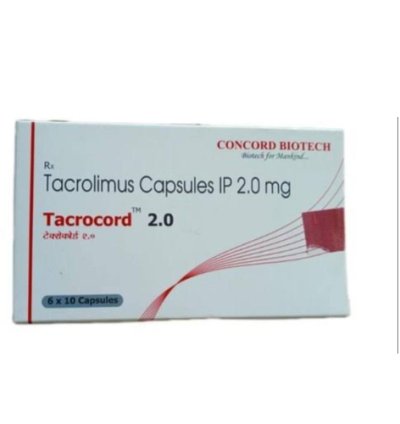
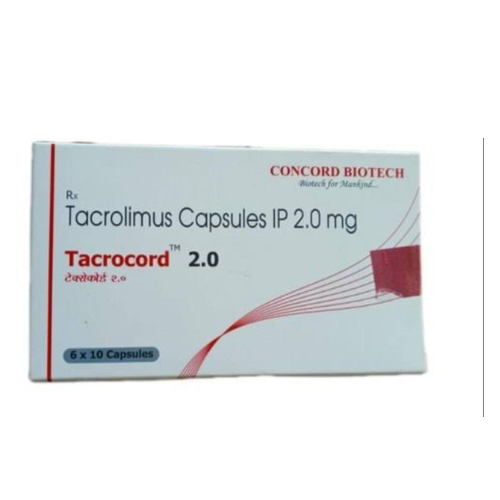
Tacrolimus is a potent calcineurin inhibitor widely used as an immunosuppressant to prevent organ rejection in transplant recipients. Its primary mechanism of action involves binding to an intracellular protein, FKBP-12, forming a complex that inhibits calcineurin. Calcineurin is a phosphatase crucial for the activation of T-lymphocytes, specifically by dephosphorylating nuclear factor of activated T-cells (NFAT), which then translocates to the nucleus to initiate transcription of various cytokine genes, including interleukin-2 (IL-2). By blocking this pathway, tacrolimus effectively suppresses T-cell activation and proliferation, thereby preventing the immune system from attacking the transplanted organ. This targeted immunosuppression is vital for long-term graft survival in kidney, liver, heart, and lung transplant patients.
Uses
- Prevention of organ rejection (kidney, liver, heart, lung)
- Treatment of organ rejection
- Management of autoimmune diseases (off-label)
- Topical treatment for atopic dermatitis
Directions For Use
Take orally, usually twice daily, on an empty stomach for consistent absorption. Follow your physician's precise dosing schedule.
Benefits
- Highly effective in preventing organ rejection.
- Improves long-term graft survival.
- Reduces the need for high-dose corticosteroids.
- Available in various formulations (oral, IV, topical).
- Well-established efficacy in transplant medicine.
- Potent immunosuppressive action.
Side Effects
- Nephrotoxicity (kidney damage)
- Neurotoxicity (tremor, headache, seizures)
- Hyperglycemia (high blood sugar)
- Hypertension (high blood pressure)
- Gastrointestinal disturbances (nausea, diarrhea)
- Infections (bacterial, viral, fungal)
- Hyperkalemia (high potassium)
- Insomnia
- Alopecia
- Anemia
- Lymphoma
Safety Measures
- Alcohol - Avoid or limit alcohol due to potential for increased liver toxicity and exacerbation of side effects.
- Pregnancy - Use only if the potential benefit justifies the potential risk to the fetus; crosses the placenta.
- Breastfeeding - Not recommended; tacrolimus is excreted in breast milk and can cause adverse effects in the infant.
- Liver - Use with extreme caution; dose adjustments are often necessary in patients with hepatic impairment.
- Kidney - Nephrotoxic; close monitoring of renal function and tacrolimus levels is crucial.
- Lung - Monitor for pulmonary toxicity, including interstitial lung disease, though less common than with other immunosuppressants.
Disclaimer
MedEHub is committed to delivering reliable, expert-reviewd information to help consumers make informed health decisions. However, the content provided on this website is for informational purposes only and is not intended to replace professional medical advice, diagnosis or treatment.
Always consult your doctor for any medical concerns, and discuss your questions about health conditions or medications with a qualified healthcare professional. Do not ignore or delay seeking professional medical advice based on information found on Med E Hub.
Our goal is to complement, not replace, the essential doctor-patient relationship.
| Shipping Cost |
|
| Shop Location | Assam, India |












No comments found for this product. Be the first to comment!