

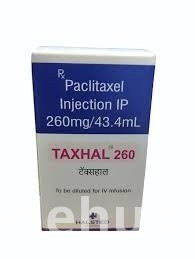
About
Taxhal 260mg Injection is a cytotoxic chemotherapy agent belonging to the taxane class, administered intravenously for the treatment of various cancers. Its mechanism of action involves binding to tubulin, a protein component of microtubules, thereby promoting microtubule assembly and inhibiting their depolymerization. This stabilization of microtubules disrupts the dynamic equilibrium necessary for normal cellular processes, particularly cell division. As a result, cancer cells are arrested in the G2/M phase of the cell cycle, leading to inhibition of proliferation and induction of apoptosis. This formulation is a key component in many cancer treatment protocols.
Uses
- Treatment of metastatic breast cancer
- Management of advanced ovarian cancer
- Therapy for non-small cell lung cancer
- Used in certain prostate cancers
Directions For Use
Administered intravenously by a healthcare provider. The precise dose and infusion schedule are tailored to the patient's condition and treatment protocol.
Benefits
- Strong anti-cancer efficacy in various solid tumors
- Can lead to significant tumor shrinkage
- Improves disease-free survival in specific indications
- Often used effectively in combination regimens
- Established role in modern oncology practice
- Contributes to improved patient outcomes
Side Effects
- Myelosuppression (low blood cell counts)
- Peripheral neuropathy (nerve damage)
- Alopecia (hair loss)
- Nausea and vomiting
- Fatigue and weakness
- Fluid retention (edema)
- Hypersensitivity reactions (allergic reactions)
- Mucositis (inflammation of mouth/throat)
- Arthralgia (joint pain) and myalgia (muscle pain)
- Diarrhea
- Skin reactions (rash, redness)
- Increased risk of infection
Safety Measures
- Alcohol - Avoid or limit alcohol consumption due to potential for increased gastrointestinal irritation and liver enzyme elevation.
- Pregnancy - Contraindicated. Known to cause severe fetal harm. Patients of childbearing potential must use effective contraception.
- Breastfeeding - Not recommended. The drug may be excreted in breast milk and could cause serious adverse effects in a nursing infant.
- Liver - Use with caution; dose adjustments are often necessary in patients with hepatic impairment to mitigate the risk of increased systemic exposure and toxicity.
- Kidney - Monitor renal function. While primarily metabolized by the liver, caution is advised in severe renal dysfunction.
- Lung - Patients should be monitored for signs of pulmonary toxicity, such as new or worsening cough or dyspnea, particularly those with pre-existing lung conditions.
Disclaimer
MedEHub is committed to delivering reliable, expert-reviewd information to help consumers make informed health decisions. However, the content provided on this website is for informational purposes only and is not intended to replace professional medical advice, diagnosis or treatment.
Always consult your doctor for any medical concerns, and discuss your questions about health conditions or medications with a qualified healthcare professional. Do not ignore or delay seeking professional medical advice based on information found on Med E Hub.
Our goal is to complement, not replace, the essential doctor-patient relationship.
| Shipping Cost |
|
| Shop Location | Assam, India |












No comments found for this product. Be the first to comment!