

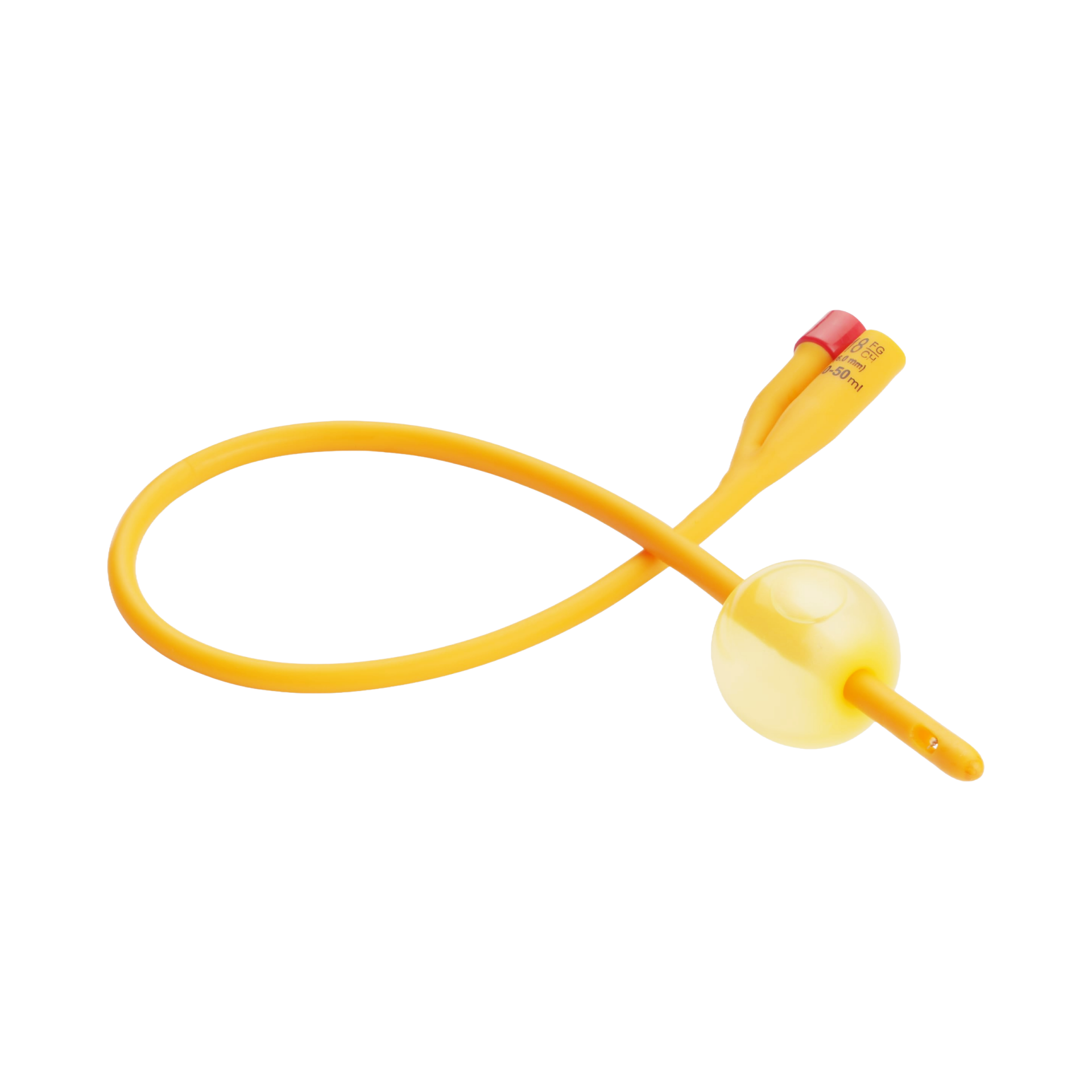
About
A urethral catheter is a broad medical term encompassing various types of flexible tubes designed for insertion into the urinary bladder through the urethra to facilitate urine drainage. This category includes intermittent catheters, which are single-use devices for temporary bladder emptying, and indwelling catheters, such as Foley catheters, which are designed to remain in place for extended periods, secured by an inflatable balloon. Clinically, these catheters are indispensable for managing acute or chronic urinary retention, obtaining sterile urine specimens for diagnostic analysis, and precisely monitoring urine output in patients requiring strict fluid balance assessment. Adherence to meticulous sterile technique during insertion and removal, coupled with diligent ongoing care for indwelling catheters, is absolutely paramount to prevent severe complications, most notably catheter-associated urinary tract infections (CAUTIs) and urethral trauma.
Uses
- Drainage of urine from the bladder.
- Relief of acute or chronic urinary retention.
- Collection of sterile urine specimens.
- Monitoring urine output in specific clinical situations.
Directions For Use
Insert aseptically into the urethra until urine flows, then drain or inflate balloon if indwelling. Follow specific instructions for intermittent or indwelling catheter care.
Benefits
- Provides effective bladder drainage.
- Relieves discomfort from urinary retention.
- Allows for accurate urine output measurement.
- Facilitates management of neurogenic bladder.
- Prevents complications of bladder overdistension.
- Available in various types for different needs.
Side Effects
- Urinary tract infection (UTI).
- Urethral trauma or stricture.
- Bladder spasms or discomfort.
- Pain during insertion or removal.
- Leakage around the catheter.
- Catheter blockage or kinking.
- Hematuria (blood in urine).
- Bladder stone formation.
- Epididymitis (in males).
- Allergic reaction to materials.
- Psychological distress.
- Increased risk of sepsis.
Safety Measures
- Alcohol - Alcohol-based disinfectants are used for perineal cleaning prior to insertion. No internal interaction.
- Pregnancy - Can be used during pregnancy if medically indicated for urinary retention or monitoring, with careful consideration of maternal and fetal well-being.
- Breastfeeding - Safe for use during breastfeeding if medically indicated. No direct interaction with breast milk.
- Liver - No direct interaction with liver function. However, patients with liver disease may have coagulopathy, increasing risk of bleeding during insertion.
- Kidney - Often used to manage or monitor kidney conditions, especially in cases of urinary obstruction affecting renal function.
- Lung - No direct interaction with lung function. However, patients with severe respiratory compromise may require careful positioning during insertion.
Disclaimer
MedEHub is committed to delivering reliable, expert-reviewd information to help consumers make informed health decisions. However, the content provided on this website is for informational purposes only and is not intended to replace professional medical advice, diagnosis or treatment.
Always consult your doctor for any medical concerns, and discuss your questions about health conditions or medications with a qualified healthcare professional. Do not ignore or delay seeking professional medical advice based on information found on Med E Hub.
Our goal is to complement, not replace, the essential doctor-patient relationship.
| Shipping Cost |
|
| Shop Location | Assam, India |










No comments found for this product. Be the first to comment!