

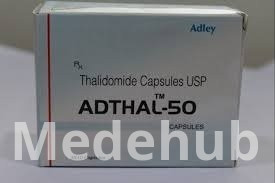
About
Adthal is a broad-spectrum antibiotic prescribed to treat a variety of bacterial infections. It works by interfering with essential bacterial processes, such as protein synthesis or cell wall formation, which are vital for bacterial growth and survival. This action leads to either inhibiting the multiplication of bacteria (bacteriostatic) or directly killing them (bactericidal), depending on the specific mechanism and concentration. Adthal is effective against a wide range of Gram-positive and Gram-negative bacteria, making it a valuable agent in combating infections in different body systems. It is crucial to complete the full course of treatment to ensure complete eradication of the infection and prevent the development of antibiotic resistance.
Uses
- Treatment of respiratory tract infections
- Management of skin and soft tissue infections
- Eradication of urinary tract infections
- Therapy for certain gastrointestinal infections
Directions For Use
Take Adthal capsules orally with a full glass of water, usually two to three times a day, as directed by your physician. Complete the entire course of medication.
Benefits
- Effective eradication of bacterial infections
- Prevents the spread of infection
- Reduces symptoms like fever and pain
- Promotes faster recovery and healing
- Broad-spectrum activity against various bacteria
- Generally well-tolerated with proper use
Side Effects
- Nausea
- Vomiting
- Diarrhea
- Abdominal pain
- Skin rash
- Headache
- Dizziness
- Oral or vaginal candidiasis
- Allergic reactions (rare but serious)
- Photosensitivity
- Taste disturbance
- Elevated liver enzymes
Safety Measures
- Alcohol - Limit alcohol consumption while taking Adthal. While generally safe, alcohol may exacerbate gastrointestinal side effects like nausea or stomach upset in some individuals.
- Pregnancy - Consult your doctor if you are pregnant or planning to conceive. Adthal should be used during pregnancy only if clearly needed and the potential benefits outweigh the risks, as some antibiotics may pose risks to the fetus.
- Breastfeeding - Discuss with your healthcare provider. Small amounts of Adthal may pass into breast milk. While many antibiotics are considered safe, monitor the infant for any signs of gastrointestinal upset or rash.
- Liver - Use with caution in patients with liver impairment. Adthal is metabolized by the liver, and impaired liver function may lead to increased drug levels. Liver function tests should be monitored.
- Kidney - Exercise caution in individuals with kidney conditions. Adthal and its metabolites are primarily excreted by the kidneys. Dosage adjustments may be necessary in severe renal impairment to prevent accumulation.
- Lung - Generally safe for use in patients with lung conditions. However, individuals with a history of severe asthma or allergies should inform their doctor, as allergic reactions to antibiotics can sometimes affect respiratory function.
Disclaimer
MedEHub is committed to delivering reliable, expert-reviewd information to help consumers make informed health decisions. However, the content provided on this website is for informational purposes only and is not intended to replace professional medical advice, diagnosis or treatment.
Always consult your doctor for any medical concerns, and discuss your questions about health conditions or medications with a qualified healthcare professional. Do not ignore or delay seeking professional medical advice based on information found on Med E Hub.
Our goal is to complement, not replace, the essential doctor-patient relationship.
| Shipping Cost |
|
| Shop Location | Assam, India |



No comments found for this product. Be the first to comment!