
About
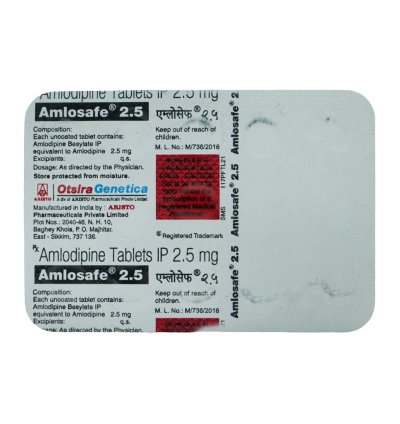
Amlodipine is a dihydropyridine calcium channel blocker (CCB) primarily used to treat hypertension and angina pectoris. Its mechanism involves inhibiting the transmembrane influx of calcium ions into vascular smooth muscle and cardiac muscle. This leads to peripheral arterial vasodilation, which directly lowers peripheral vascular resistance and blood pressure. In angina, it reduces myocardial oxygen demand by decreasing afterload and can also increase myocardial oxygen delivery by dilating coronary arteries. Amlodipine is characterized by a slow onset of action and a long elimination half-life, supporting once-daily dosing and providing sustained therapeutic effects. This makes it an effective and convenient option for long-term management of these cardiovascular conditions, often used alone or in combination with other antihypertensive agents to achieve optimal blood pressure control and symptom relief.
Uses
Treatment of hypertension (high blood pressure).
Management of chronic stable angina.
Treatment of vasospastic angina (Prinzmetal's angina).
Adjunctive therapy for coronary artery disease.
Directions For Use
Take this medication orally, usually once daily, with or without food, as directed by your physician.
Benefits
Effectively lowers high blood pressure.
Reduces the frequency and severity of angina attacks.
Provides sustained blood pressure control with once-daily dosing.
Improves exercise tolerance in patients with angina.
Has a favorable safety profile for long-term use.
Can be used alone or in combination with other antihypertensives.
Side Effects
Peripheral edema (swelling of ankles/feet)
Headache
Dizziness
Flushing
Fatigue
Nausea
Palpitations
Abdominal pain
Somnolence
Gingival hyperplasia
Muscle cramps
Rash
Safety Measures
Alcohol - Alcohol may enhance the blood pressure-lowering effect of amlodipine, potentially leading to dizziness or fainting. Use with caution.
Pregnancy - Amlodipine should be used during pregnancy only if the potential benefit justifies the potential risk to the fetus. Consult a doctor.
Breastfeeding - Amlodipine is excreted in human milk. Use with caution; a doctor should weigh the benefits against potential risks.
Liver - Use with caution in patients with impaired liver function, as amlodipine is extensively metabolized by the liver. Dosage adjustment may be necessary.
Kidney - No dosage adjustment is typically required for patients with renal impairment, as amlodipine is not significantly eliminated by the kidneys.
Lung - Generally safe for use in patients with lung conditions, as it does not directly affect respiratory function.
Disclaimer
MedEHub is committed to delivering reliable, expert-reviewd information to help consumers make informed health decisions. However, the content provided on this website is for informational purposes only and is not intended to replace professional medical advice, diagnosis or treatment.
Always consult your doctor for any medical concerns, and discuss your questions about health conditions or medications with a qualified healthcare professional. Do not ignore or delay seeking professional medical advice based on information found on Med E Hub.
Our goal is to complement, not replace, the essential doctor-patient relationship.
| Shipping Cost |
|
| Shop Location | Assam, India |













No comments found for this product. Be the first to comment!