
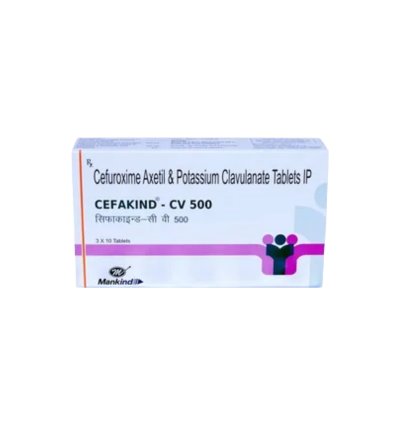

About
Amoxicillin/Clavulanate Potassium is a combination antibiotic consisting of amoxicillin, a penicillin-class antibiotic, and clavulanate potassium, a beta-lactamase inhibitor. Amoxicillin works by inhibiting bacterial cell wall synthesis, leading to bacterial lysis. However, many bacteria produce beta-lactamase enzymes that inactivate amoxicillin. Clavulanate potassium overcomes this resistance by irreversibly binding to and inhibiting these beta-lactamase enzymes, thereby protecting amoxicillin from degradation and extending its spectrum of activity against resistant bacteria.
This combination is effective against a broad range of Gram-positive and Gram-negative bacteria, including many common pathogens that produce beta-lactamase. It is widely used for the treatment of various bacterial infections, such as respiratory tract infections, otitis media, sinusitis, skin and soft tissue infections, and urinary tract infections. It is well-absorbed orally, and the clavulanate component significantly enhances the therapeutic utility of amoxicillin.
Uses
- Treatment of acute bacterial sinusitis
- Management of community-acquired pneumonia
- Treatment of skin and soft tissue infections
- Management of urinary tract infections
Directions For Use
Take at the start of a meal to minimize gastrointestinal upset and enhance absorption. Complete the full course of medication.
Benefits
- Broad-spectrum antibacterial activity
- Effective against beta-lactamase producing bacteria
- Combats a wide range of common infections
- Good oral bioavailability
- Reduces antibiotic resistance in susceptible strains
- Well-established efficacy
Side Effects
- Diarrhea
- Nausea
- Vomiting
- Abdominal pain
- Rash
- Headache
- Dizziness
- Vaginal yeast infection
- Oral thrush
- Hepatotoxicity (rare)
- Allergic reactions
- Clostridium difficile-associated diarrhea
Safety Measures
- Alcohol - While there is no direct interaction, alcohol consumption may exacerbate gastrointestinal side effects like nausea or diarrhea, which are common with this antibiotic. It's generally advisable to limit intake.
- Pregnancy - Amoxicillin/clavulanate is generally considered safe for use during pregnancy (Pregnancy Category B). However, it should be used only if clearly needed and under medical supervision.
- Breastfeeding - Both amoxicillin and clavulanate are excreted in breast milk. Monitor the breastfed infant for potential adverse effects such as diarrhea, candidiasis, or skin rash.
- Liver - Use with caution in patients with pre-existing liver impairment, as this combination can rarely cause cholestatic jaundice or hepatitis. Regular monitoring of liver function is recommended, especially during prolonged therapy.
- Kidney - Dose adjustments are necessary in patients with renal impairment, as both components are primarily excreted by the kidneys. Close monitoring of kidney function is crucial to prevent drug accumulation and toxicity.
- Lung - Patients with a history of severe allergic reactions to penicillin or other beta-lactam antibiotics should be monitored closely for hypersensitivity reactions, which can include respiratory distress or bronchospasm.
Disclaimer
MedEHub is committed to delivering reliable, expert-reviewd information to help consumers make informed health decisions. However, the content provided on this website is for informational purposes only and is not intended to replace professional medical advice, diagnosis or treatment.
Always consult your doctor for any medical concerns, and discuss your questions about health conditions or medications with a qualified healthcare professional. Do not ignore or delay seeking professional medical advice based on information found on Med E Hub.
Our goal is to complement, not replace, the essential doctor-patient relationship.
| Shipping Cost |
|
| Shop Location | Assam, India |















No comments found for this product. Be the first to comment!