
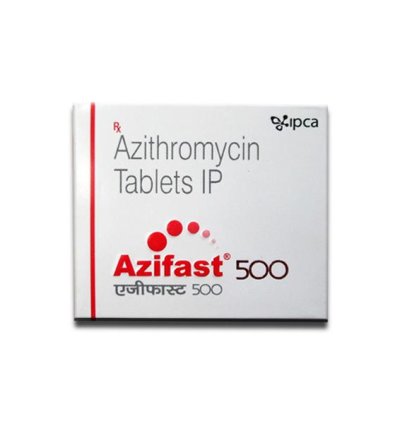
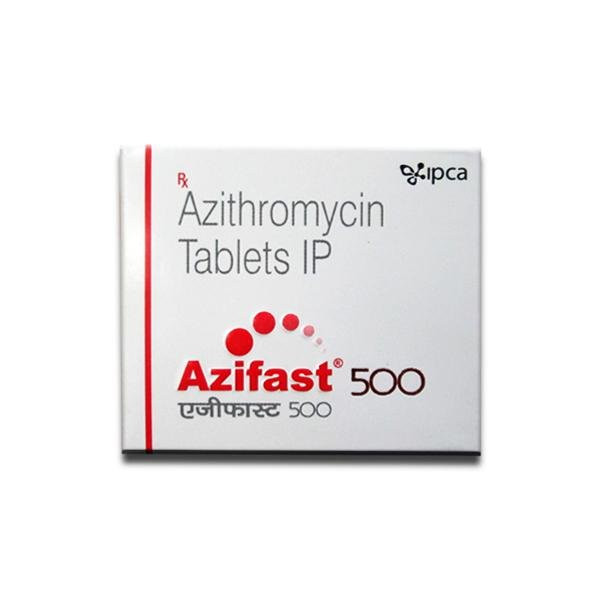
About
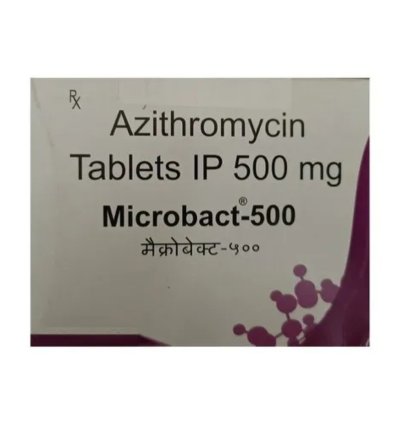
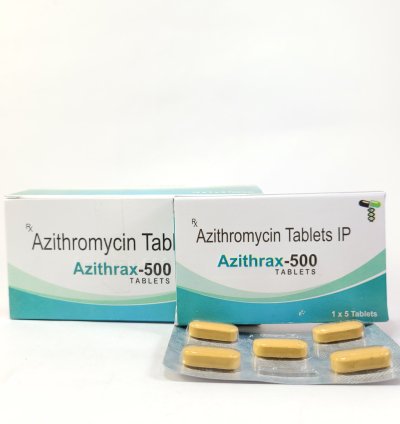
Azithromycin is a widely used macrolide antibiotic that exerts its antibacterial effect by inhibiting bacterial protein synthesis. It achieves this by reversibly binding to the 50S ribosomal subunit of susceptible microorganisms, thereby blocking the translocation step of protein synthesis. This unique mechanism contributes to its broad spectrum of activity against various Gram-positive and Gram-negative bacteria, as well as important atypical pathogens like Chlamydia pneumoniae and Mycoplasma pneumoniae. A distinguishing feature of azithromycin is its exceptionally long tissue half-life and high intracellular accumulation, particularly within phagocytes, which facilitates its delivery to sites of infection and allows for short courses of therapy and convenient once-daily dosing. This pharmacokinetic profile makes it highly effective for respiratory tract, skin, and certain sexually transmitted infections.
Uses
- Treatment of respiratory tract infections.
- Management of skin and soft tissue infections.
- Treatment of certain sexually transmitted infections.
- Prophylaxis and treatment of Mycobacterium avium complex (MAC).
Directions For Use
Take orally, usually once daily, with or without food, as directed by your healthcare provider.
Benefits
- Broad spectrum of antibacterial activity.
- Short course of therapy (e.g., 3-5 days).
- Once-daily dosing.
- Good tissue penetration and long half-life.
- Effective against atypical pathogens.
- Generally well-tolerated.
Side Effects
- Nausea
- Diarrhea
- Abdominal pain
- Vomiting
- Headache
- Dizziness
- Rash
- QT prolongation (rare)
- Hepatotoxicity (rare)
- Clostridium difficile infection
- Allergic reactions
- Hearing impairment (rare, high doses)
Safety Measures
- Alcohol - No specific interaction with alcohol, but it's generally advisable to avoid alcohol during antibiotic treatment to support recovery.
- Pregnancy - Generally considered safe for use during pregnancy (Category B), but should be used only if clearly needed and potential benefits outweigh risks.
- Breastfeeding - Excreted in small amounts into breast milk. Generally considered compatible with breastfeeding, but monitor infant for diarrhea or thrush.
- Liver - Use with caution in patients with pre-existing liver disease; monitor liver function tests during prolonged therapy.
- Kidney - No dosage adjustment is typically needed for mild to moderate renal impairment; for severe impairment, monitor closely.
- Lung - Generally safe for use in patients with lung conditions; no specific contraindications related to pulmonary function.
Disclaimer
MedEHub is committed to delivering reliable, expert-reviewd information to help consumers make informed health decisions. However, the content provided on this website is for informational purposes only and is not intended to replace professional medical advice, diagnosis or treatment.
Always consult your doctor for any medical concerns, and discuss your questions about health conditions or medications with a qualified healthcare professional. Do not ignore or delay seeking professional medical advice based on information found on Med E Hub.
Our goal is to complement, not replace, the essential doctor-patient relationship.
| Shipping Cost |
|
| Shop Location | Assam, India |









No comments found for this product. Be the first to comment!