
About
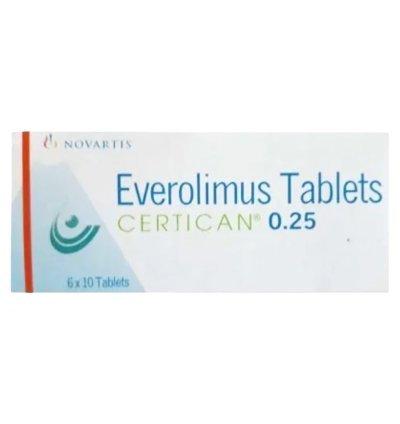
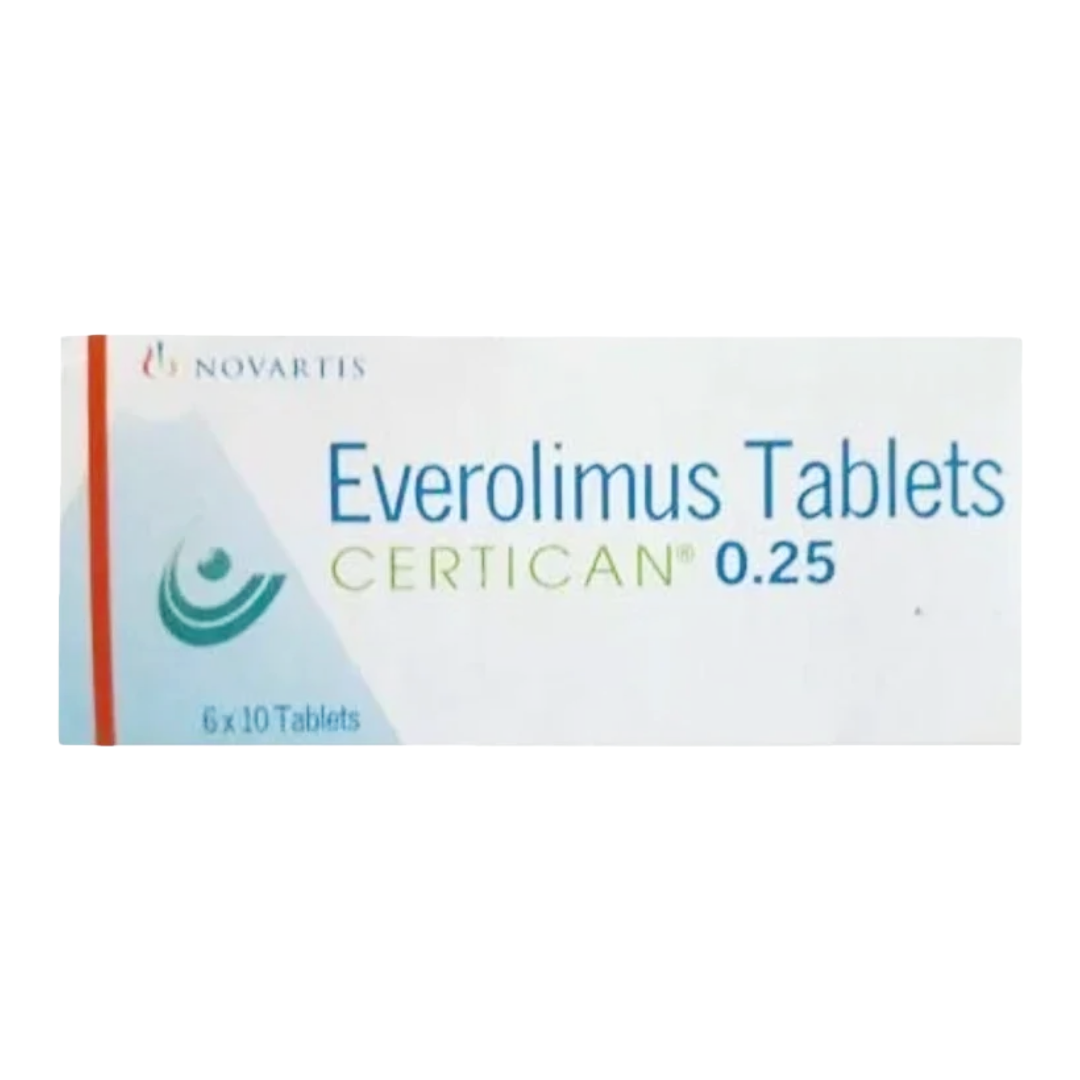
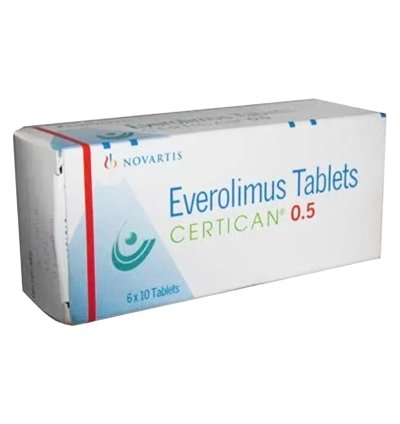
Certican (everolimus) is an immunosuppressive drug that acts as a selective inhibitor of the mammalian target of rapamycin (mTOR). By forming a complex with the intracellular protein FKBP-12, everolimus inhibits the activity of mTOR, a critical regulator of cell growth, proliferation, and metabolism. This inhibition leads to a blockade of T-lymphocyte activation and proliferation, as well as B-lymphocyte proliferation, thereby suppressing the immune response. It is primarily used in organ transplantation to prevent the body's immune system from rejecting the new organ.
Its unique mechanism of action allows it to be used in combination with other immunosuppressants, often enabling lower doses of nephrotoxic agents like calcineurin inhibitors, which can help preserve kidney function in transplant recipients. Everolimus is also utilized in oncology for its anti-proliferative properties in certain types of cancer, highlighting its versatile therapeutic applications.
Uses
- Prophylaxis of organ rejection in adult kidney transplant recipients.
- Prophylaxis of organ rejection in adult heart transplant recipients.
- Prophylaxis of organ rejection in adult liver transplant recipients.
- Treatment of advanced hormone receptor-positive, HER2-negative breast cancer.
Directions For Use
Take orally once daily, at the same time each day, consistently with or without food.
Swallow the tablet whole with a glass of water; do not crush, chew, or break.
Benefits
- Effective in preventing transplant rejection.
- May reduce calcineurin inhibitor exposure and associated nephrotoxicity.
- Improves long-term outcomes for transplant recipients.
- Has anti-proliferative effects in certain malignancies.
- Offers a distinct mechanism of action for immunosuppression.
- Can be part of a steroid-sparing regimen.
Side Effects
- Increased risk of opportunistic infections.
- Anemia.
- Thrombocytopenia.
- Leukopenia.
- Hyperlipidemia.
- Hypertension.
- Peripheral edema.
- Proteinuria.
- Stomatitis.
- Diarrhea.
- Nausea.
- Rash.
Safety Measures
- Alcohol - It is advisable to limit or avoid alcohol consumption, as it may worsen certain side effects like gastrointestinal upset or liver enzyme elevations, and could interact with other medications.
- Pregnancy - Contraindicated during pregnancy due to potential harm to the fetus. Women of childbearing potential must use highly effective contraception during treatment and for 8 weeks after the last dose.
- Breastfeeding - Not recommended during breastfeeding. Everolimus may be excreted in human milk and could cause serious adverse reactions in breastfed infants.
- Liver - Requires careful monitoring and potential dose adjustment in patients with hepatic impairment, as everolimus is extensively metabolized by the liver. Therapeutic drug monitoring is crucial.
- Kidney - No specific dose adjustment is typically required for patients with renal impairment. However, close monitoring of renal function is important, especially when used in combination with nephrotoxic drugs.
- Lung - Patients should be monitored for signs and symptoms of non-infectious pneumonitis, such as cough, dyspnea, or fever, which can be a serious adverse effect of everolimus.
Disclaimer
MedEHub is committed to delivering reliable, expert-reviewd information to help consumers make informed health decisions. However, the content provided on this website is for informational purposes only and is not intended to replace professional medical advice, diagnosis or treatment.
Always consult your doctor for any medical concerns, and discuss your questions about health conditions or medications with a qualified healthcare professional. Do not ignore or delay seeking professional medical advice based on information found on Med E Hub.
Our goal is to complement, not replace, the essential doctor-patient relationship.
| Shipping Cost |
|
| Shop Location | Assam, India |









No comments found for this product. Be the first to comment!