
About
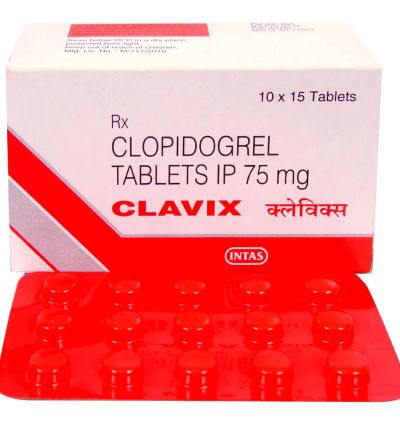
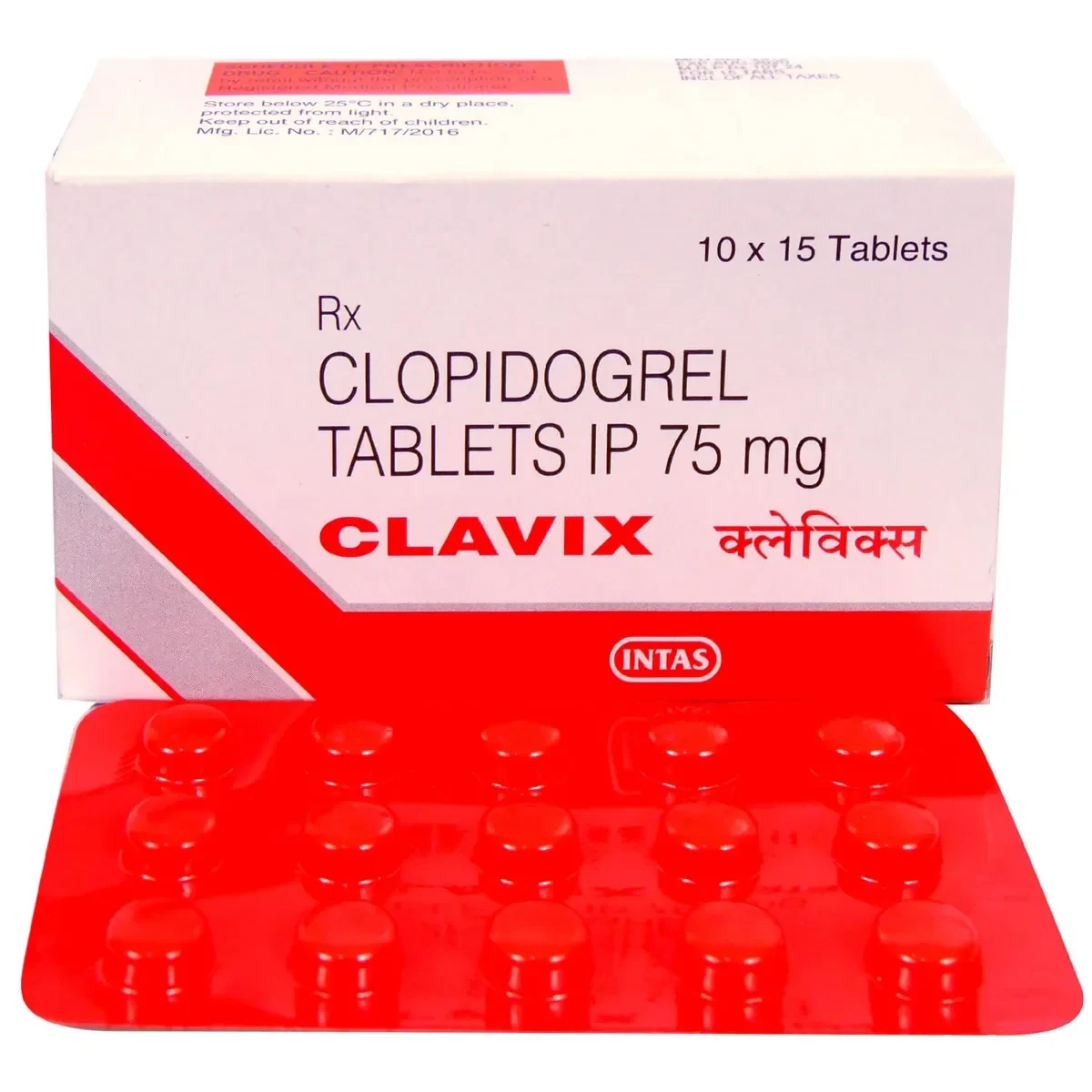
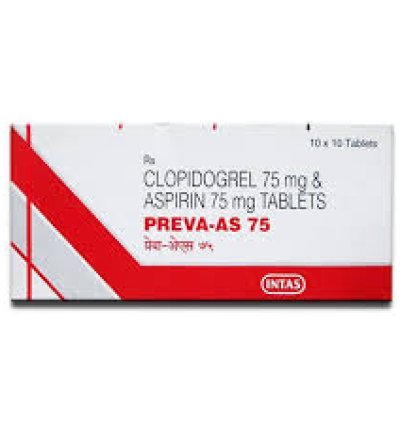
Clopidogrel is an antiplatelet agent that selectively inhibits the binding of adenosine diphosphate (ADP) to its specific receptor on the platelet surface. This inhibition prevents ADP-mediated activation of the glycoprotein GPIIb/IIIa complex, which is essential for platelet aggregation. As a prodrug, clopidogrel requires hepatic metabolism, primarily by cytochrome P450 enzymes, to form its active thiol metabolite. This active metabolite then irreversibly modifies the platelet ADP receptor, leading to a sustained inhibition of platelet function for the lifespan of the platelet, typically 7-10 days. By preventing platelet aggregation, clopidogrel effectively reduces the formation of arterial blood clots, thereby significantly lowering the risk of serious atherothrombotic events such as myocardial infarction, stroke, and peripheral arterial disease in high-risk individuals.
Uses
Prevention of atherothrombotic events in patients with myocardial infarction.
Prevention of atherothrombotic events in patients with stroke.
Prevention of atherothrombotic events in patients with established peripheral arterial disease.
Prevention of stent thrombosis after percutaneous coronary intervention.
Directions For Use
Take once daily with or without food, as prescribed by your doctor. Do not stop taking it without medical advice.
Benefits
Reduces risk of heart attack.
Lowers risk of stroke.
Prevents blood clot formation.
Improves outcomes in peripheral artery disease.
Reduces risk of stent thrombosis.
Essential for post-cardiac procedure care.
Side Effects
Bleeding (e.g., nosebleeds, bruising)
Gastrointestinal upset
Diarrhea
Abdominal pain
Headache
Dizziness
Rash
Pruritus
Thrombotic thrombocytopenic purpura (rare)
Neutropenia (rare)
Hemorrhagic stroke (rare)
Liver enzyme elevation
Safety Measures
Alcohol - Avoid excessive alcohol consumption as it can increase the risk of gastrointestinal bleeding, especially when combined with antiplatelet agents.
Pregnancy - Use only if clearly necessary, as there are limited data on human pregnancy. Consult your doctor to weigh benefits against risks.
Breastfeeding - It is unknown if clopidogrel is excreted in human milk. A decision should be made whether to discontinue nursing or the drug.
Liver - Use with caution in patients with severe hepatic impairment, as clopidogrel is metabolized by the liver.
Kidney - No dose adjustment is generally required for renal impairment, but caution is advised in severe kidney disease.
Lung - No specific contraindications related to lung conditions.
Disclaimer
MedEHub is committed to delivering reliable, expert-reviewd information to help consumers make informed health decisions. However, the content provided on this website is for informational purposes only and is not intended to replace professional medical advice, diagnosis or treatment.
Always consult your doctor for any medical concerns, and discuss your questions about health conditions or medications with a qualified healthcare professional. Do not ignore or delay seeking professional medical advice based on information found on Med E Hub.
Our goal is to complement, not replace, the essential doctor-patient relationship.
| Shipping Cost |
|
| Shop Location | Assam, India |












No comments found for this product. Be the first to comment!