
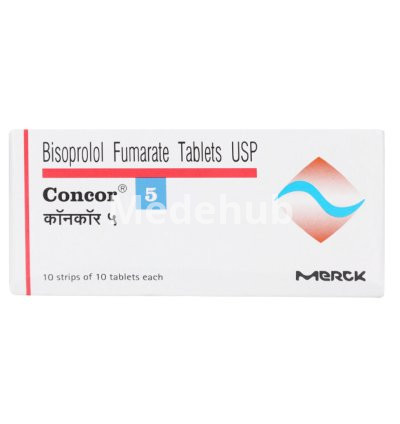
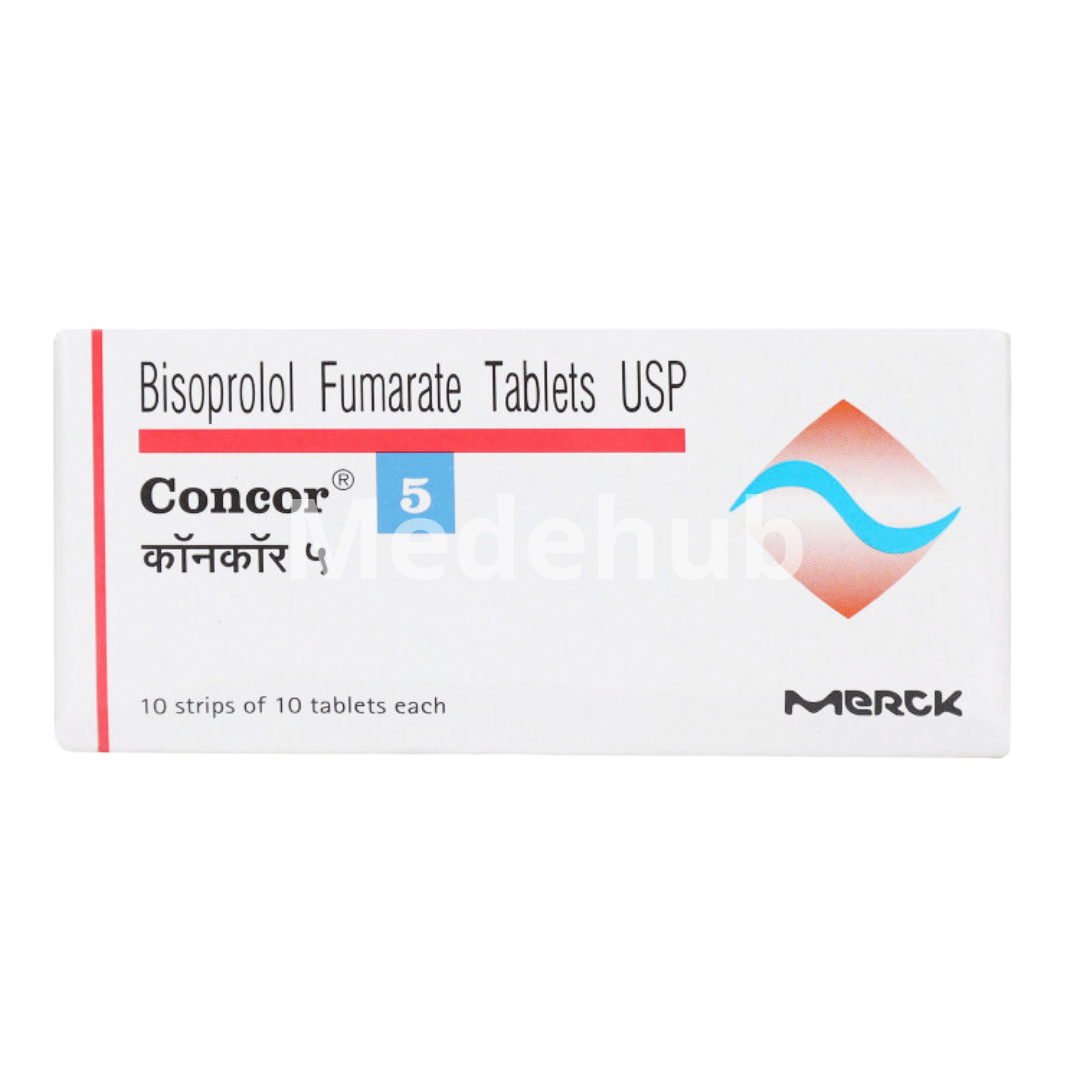
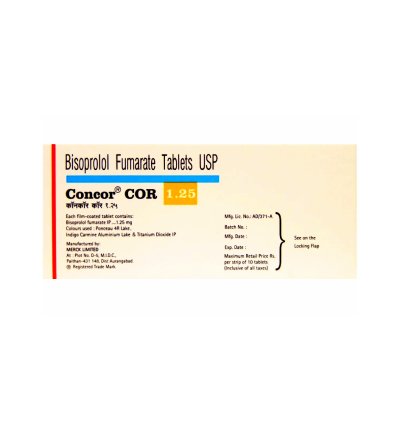
AboutBisoprolol is a highly selective beta-1 adrenergic receptor antagonist widely used in the management of various cardiovascular conditions. Its primary action involves blocking beta-1 receptors predominantly found in the heart, which results in a reduction in heart rate, myocardial contractility, and cardiac output. This pharmacological effect contributes to lowering elevated blood pressure, alleviating the workload on the heart, and enhancing myocardial oxygen supply. It is particularly beneficial in treating hypertension, angina pectoris, and as an essential component in the long-term management of stable chronic heart failure, where it has been shown to improve patient outcomes and reduce mortality. Its cardioselectivity at therapeutic doses helps minimize adverse effects on the respiratory system.UsesTreatment of essential hypertension.Management of chronic stable angina pectoris.Adjunctive therapy for stable chronic heart failure.Prevention of secondary myocardial infarction.Directions For UseTake one tablet daily, preferably in the morning, with or without food. Swallow the tablet whole with water.BenefitsEffectively controls high blood pressure.Reduces the frequency and intensity of angina attacks.Improves cardiac function in heart failure patients.Lowers heart rate and myocardial oxygen demand.Contributes to long-term cardiovascular protection.Convenient once-daily administration.Side EffectsFatigueDizzinessHeadacheNauseaDiarrheaBradycardiaCold extremitiesHypotensionBronchospasm (rare)Sleep disturbancesErectile dysfunctionPeripheral edemaSafety MeasuresAlcohol - Concurrent use of alcohol may potentiate the hypotensive effects of bisoprolol, increasing the risk of dizziness and fainting.Pregnancy - Not recommended during pregnancy due to potential adverse effects on the fetus, including bradycardia and growth restriction. Consult a physician.Breastfeeding - Bisoprolol is excreted into breast milk. Use with caution and monitor the infant for signs of beta-blockade.Liver - Exercise caution in patients with hepatic impairment. Dose adjustments may be necessary as bisoprolol undergoes partial hepatic metabolism.Kidney - Dose adjustment may be required in patients with severe renal impairment. Regular monitoring of kidney function is advisable.Lung - Use with extreme caution in patients with bronchial asthma or severe chronic obstructive pulmonary disease (COPD) due to the risk of bronchospasm.DisclaimerMedEHub is committed to delivering reliable, expert-reviewd information to help consumers make
informed health decisions. However, the content provided on this website is for informational purposes only
and is not intended to replace professional medical advice, diagnosis or treatment.Always consult your doctor for any medical concerns, and discuss your questions about health
conditions or medications with a qualified healthcare professional. Do not ignore or delay seeking professional
medical advice based on information found on Med E Hub.Our goal is to complement, not replace, the essential doctor-patient relationship.
| Shipping Cost |
|
| Shop Location | Assam, India |






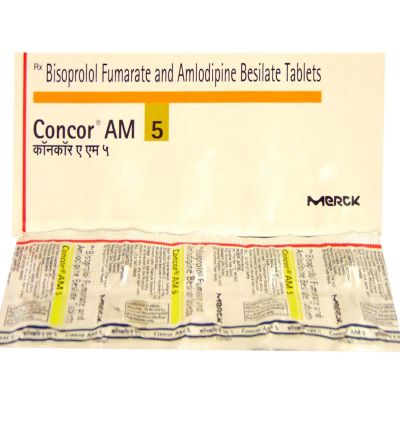
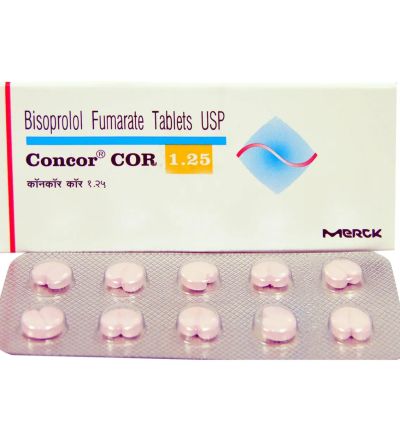
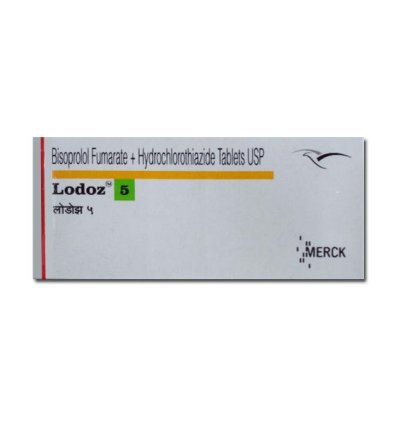

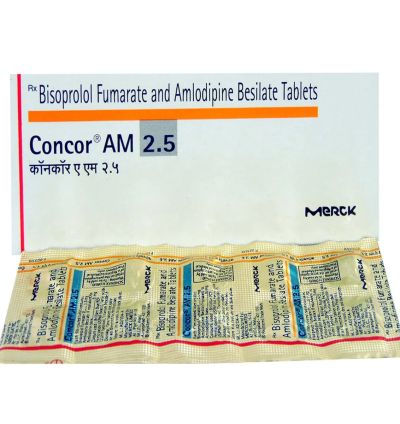

No comments found for this product. Be the first to comment!