

About
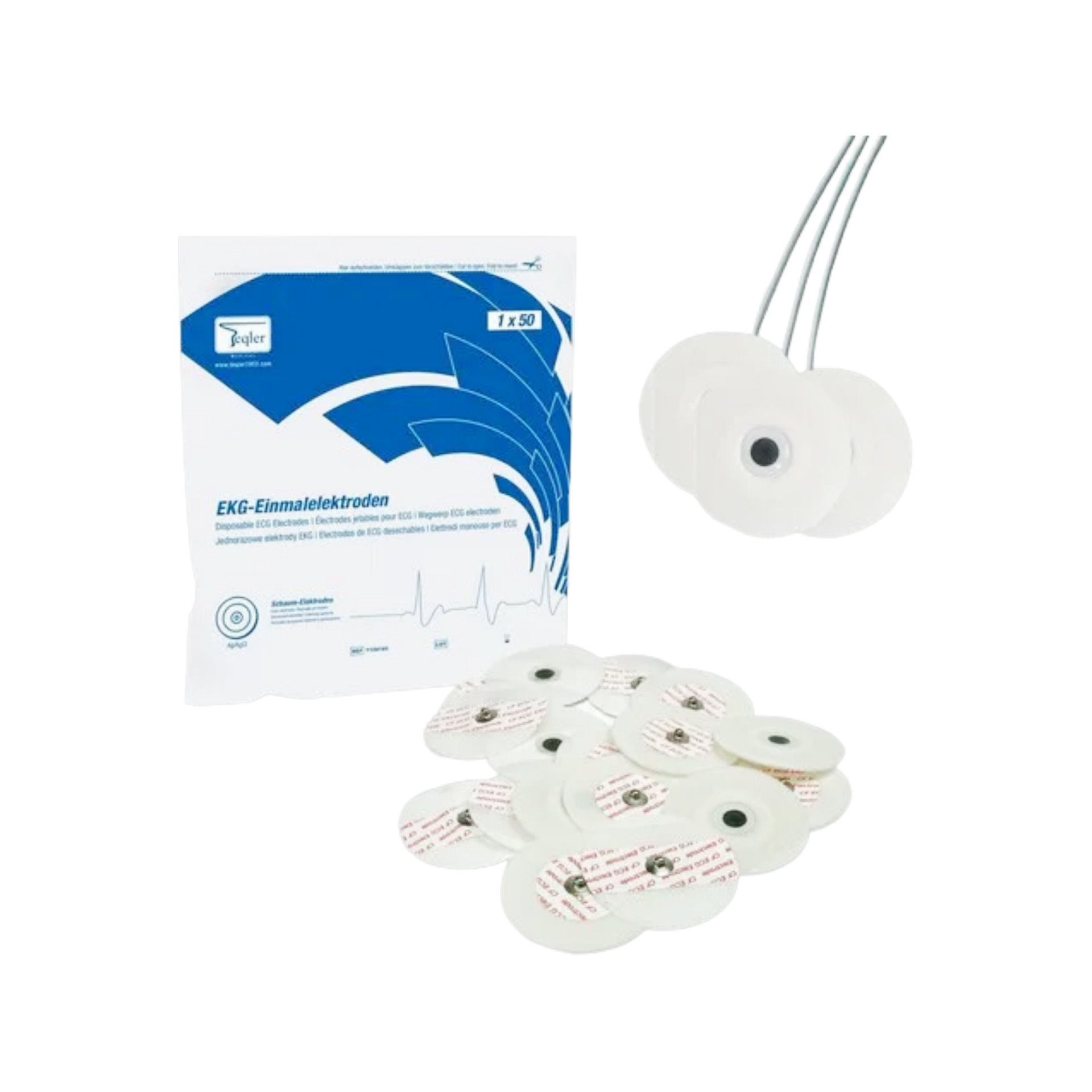
An ECG lead is a vital component in electrocardiography, serving as the electrical connection between the patient's electrodes and the electrocardiograph machine. These leads are designed to transmit the delicate electrical signals generated by the heart, which are picked up by electrodes placed on the skin, to the recording device. They are typically insulated cables with connectors at both ends, ensuring a secure and interference-free transmission of cardiac electrical activity. The quality and integrity of ECG leads are paramount for obtaining clear, accurate, and diagnostic-quality electrocardiograms, enabling healthcare professionals to assess heart rhythm, detect myocardial ischemia, and diagnose various cardiac conditions. Proper functioning of these leads is essential for reliable cardiac monitoring and diagnostic procedures in clinical settings.
Uses
- Connecting ECG electrodes to an electrocardiograph machine.
- Monitoring cardiac electrical activity in diagnostic ECGs.
- Use during stress tests to assess heart function under exertion.
- Facilitating continuous cardiac monitoring in hospital settings.
Directions For Use
Attach the lead securely to the corresponding ECG electrode on the patient and connect the other end to the designated port on the ECG machine.
Benefits
- Ensures accurate transmission of cardiac electrical signals.
- Durable and flexible for patient comfort and movement.
- Easy to connect and disconnect from electrodes and machine.
- Minimizes electrical interference and signal artifact.
- Reliable for consistent diagnostic quality ECGs.
- Compatible with standard ECG electrodes and machines.
Side Effects
- Skin irritation from prolonged contact with lead material (rare).
- Signal artifact due to poor connection or damaged lead.
- Lead detachment leading to loss of signal.
- Electrical interference if leads are not properly shielded.
- Discomfort if leads are pulled or tangled.
- Allergic reaction to lead materials (extremely rare).
- Misplacement leading to incorrect signal interpretation.
- Entanglement with other medical equipment.
- Damage to the lead from improper handling.
- Potential for minor electrical shock if insulation is compromised.
- Interference with other sensitive medical devices.
- Risk of infection if leads are not cleaned or disinfected properly between uses (if reusable).
Safety Measures
- Alcohol - Not directly applicable to the ECG lead itself. However, alcohol is commonly used for skin preparation before electrode placement to ensure good signal conductivity.
- Pregnancy - Not directly applicable to the device itself; considerations relate to the patient's condition and the diagnostic procedure being performed.
- Breastfeeding - Not directly applicable to the device itself; considerations relate to the patient's condition and the diagnostic procedure being performed.
- Liver - Not directly applicable to the device itself; considerations relate to the patient's condition and the diagnostic procedure being performed.
- Kidney - Not directly applicable to the device itself; considerations relate to the patient's condition and the diagnostic procedure being performed.
- Lung - Not directly applicable to the device itself; considerations relate to the patient's condition and the diagnostic procedure being performed.
Disclaimer
MedEHub is committed to delivering reliable, expert-reviewd information to help consumers make informed health decisions. However, the content provided on this website is for informational purposes only and is not intended to replace professional medical advice, diagnosis or treatment.
Always consult your doctor for any medical concerns, and discuss your questions about health conditions or medications with a qualified healthcare professional. Do not ignore or delay seeking professional medical advice based on information found on Med E Hub.
Our goal is to complement, not replace, the essential doctor-patient relationship.
| Shipping Cost |
|
| Shop Location | Assam, India |







No comments found for this product. Be the first to comment!