


About
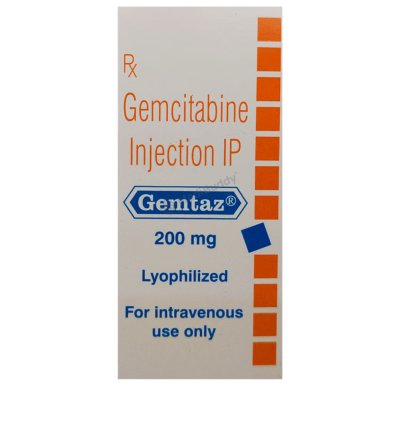
Gemcitabine is a nucleoside analog antimetabolite used in chemotherapy. It is a prodrug that is intracellularly metabolized to its active diphosphate (dFdCDP) and triphosphate (dFdCTP) forms. dFdCDP inhibits ribonucleotide reductase, an enzyme essential for DNA synthesis, leading to a reduction in deoxyribonucleotide pools. dFdCTP is incorporated into DNA, causing chain termination and inhibition of DNA repair, ultimately leading to programmed cell death (apoptosis). This dual mechanism of action makes gemcitabine a potent cytotoxic agent against various solid tumors, disrupting both DNA synthesis and repair processes crucial for cancer cell proliferation.
Its ability to interfere with DNA replication and repair pathways makes it highly effective against rapidly dividing cancer cells. Gemcitabine is often used in combination with other chemotherapeutic agents or radiation therapy to enhance its anti-tumor effects. The drug's mechanism of action targets fundamental cellular processes, leading to significant tumor regression and improved patient outcomes in several challenging malignancies. Close monitoring for hematological and other toxicities is essential during treatment.
Uses
- Treatment of non-small cell lung cancer.
- Management of pancreatic cancer.
- Treatment of breast cancer.
- Management of ovarian cancer.
Directions For Use
Administered intravenously by a qualified healthcare professional. Dosage and schedule are determined by the specific cancer type, patient's body surface area, and tolerance.
Benefits
- Effective against several solid tumors.
- Can be used as monotherapy or in combination.
- Relatively well-tolerated compared to some chemotherapies.
- Improves progression-free survival in some cancers.
- May improve overall survival in certain indications.
- Established efficacy in metastatic settings.
Side Effects
- Myelosuppression (neutropenia, thrombocytopenia, anemia)
- Nausea
- Vomiting
- Fatigue
- Fever
- Rash
- Flu-like symptoms
- Peripheral edema
- Elevated liver enzymes
- Proteinuria
- Dyspnea
- Alopecia (mild)
Safety Measures
- Alcohol - Avoid alcohol during treatment as it may exacerbate liver toxicity and gastrointestinal side effects.
- Pregnancy - Gemcitabine is teratogenic and embryotoxic. It is contraindicated during pregnancy. Effective contraception is required.
- Breastfeeding - Breastfeeding is contraindicated during gemcitabine treatment due to the potential for serious adverse effects in the infant.
- Liver - Use with caution in patients with pre-existing hepatic impairment. Liver function should be monitored closely.
- Kidney - Use with caution in patients with renal impairment. Dose adjustment may be necessary, and renal function should be monitored.
- Lung - Use with caution in patients with pre-existing lung conditions. Pulmonary toxicity, including interstitial pneumonitis, can occur.
Disclaimer
MedEHub is committed to delivering reliable, expert-reviewd information to help consumers make informed health decisions. However, the content provided on this website is for informational purposes only and is not intended to replace professional medical advice, diagnosis or treatment.
Always consult your doctor for any medical concerns, and discuss your questions about health conditions or medications with a qualified healthcare professional. Do not ignore or delay seeking professional medical advice based on information found on Med E Hub.
Our goal is to complement, not replace, the essential doctor-patient relationship.
| Shipping Cost |
|
| Shop Location | Assam, India |













No comments found for this product. Be the first to comment!