

About
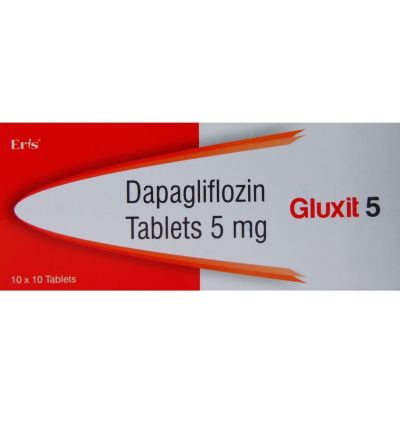
Empagliflozin is an oral antidiabetic medication classified as a sodium-glucose co-transporter 2 (SGLT2) inhibitor. Its unique mechanism of action involves blocking the SGLT2 protein, which is predominantly found in the kidneys and is responsible for reabsorbing glucose back into the bloodstream. By inhibiting SGLT2, empagliflozin causes the kidneys to excrete more glucose in the urine, thereby effectively lowering blood glucose levels in an insulin-independent manner. This action helps to improve glycemic control in adults with type 2 diabetes mellitus. Beyond its primary glucose-lowering effects, empagliflozin has demonstrated significant and well-documented cardiovascular benefits, including a reduction in the risk of cardiovascular death and hospitalization for heart failure. It has also shown important renal protective effects, slowing the progression of kidney disease in patients with type 2 diabetes and established cardiovascular disease or chronic kidney disease, making it a comprehensive treatment option.
Uses
- Management of type 2 diabetes mellitus.
- Improvement of glycemic control.
- Reduction of cardiovascular death risk in certain patients.
- Reduction of kidney disease progression in certain patients.
Directions For Use
Take one tablet orally once daily in the morning, with or without food, as prescribed by your doctor. Ensure adequate hydration while on this medication.
Benefits
- Effective blood sugar reduction.
- Potential for weight loss.
- Reduced risk of cardiovascular events.
- Renal protective effects.
- Low risk of hypoglycemia (when used alone).
- Can be used as monotherapy or combination.
Side Effects
- Genital yeast infections
- Urinary tract infections
- Increased urination
- Thirst
- Nausea
- Constipation
- Dizziness
- Hypotension (low blood pressure)
- Ketoacidosis (rare but serious)
- Fournier's gangrene (very rare)
- Kidney problems (acute injury)
- Hypoglycemia (when combined with sulfonylurea/insulin)
Safety Measures
- Alcohol - Moderate alcohol consumption is generally acceptable, but excessive intake should be avoided as it can affect blood sugar levels and hydration.
- Pregnancy - Not recommended during pregnancy, especially in the second and third trimesters. Consult your doctor for alternative treatments.
- Breastfeeding - Not recommended during breastfeeding as it is unknown if empagliflozin is excreted in human milk. Discuss with your healthcare provider.
- Liver - No dose adjustment is typically required for mild to moderate hepatic impairment. Use with caution in severe impairment.
- Kidney - Not recommended for use in severe renal impairment or end-stage renal disease. Dose adjustment or discontinuation may be necessary based on eGFR.
- Lung - No specific contraindications or safety concerns directly related to lung conditions.
Disclaimer
MedEHub is committed to delivering reliable, expert-reviewd information to help consumers make informed health decisions. However, the content provided on this website is for informational purposes only and is not intended to replace professional medical advice, diagnosis or treatment.
Always consult your doctor for any medical concerns, and discuss your questions about health conditions or medications with a qualified healthcare professional. Do not ignore or delay seeking professional medical advice based on information found on Med E Hub.
Our goal is to complement, not replace, the essential doctor-patient relationship.
| Shipping Cost |
|
| Shop Location | Assam, India |








No comments found for this product. Be the first to comment!